
Choosing the right sonar technology can dramatically enhance your fishing experience or underwater exploration. Understanding the differences between 2D sonar, down imaging, and side imaging is crucial for making an informed decision that suits your specific needs. Each technology offers unique features that cater to various fishing styles and underwater visibility requirements.
Understanding Sonar Technologies
2D Sonar
2D sonar is the traditional workhorse of sonar systems, delivering a straightforward view of the underwater landscape. It provides essential depth information and can identify fish, structures, and bottom composition. This technology is ideal for anglers who prefer simplicity and directness.
- Easy data interpretation, making it a great choice for beginners.
- Affordability allows enthusiasts to access reliable sonar technology without breaking the bank.
Down Imaging
On the other hand, down imaging takes sonar to the next level by providing high-resolution, photo-like images of what lies directly beneath your boat. This technology employs advanced imaging techniques to reveal finer details, making it easier to identify fish species and underwater structures such as rocks, vegetation, or wrecks.
- Ideal for serious anglers seeking precision in their fishing game.
- Enhances your chances of a successful catch by allowing for better targeting of fish.
- Transforms your fishing strategy by helping you pinpoint elusive spots that 2D sonar might miss.
Side Imaging
Side imaging offers yet another layer of sophistication by allowing you to scan both sides of your boat simultaneously. This technology is particularly beneficial for exploring expansive areas, as it provides a broader perspective of underwater features.
- Locate submerged structures, schools of fish, or underwater drop-offs without constantly repositioning your boat.
- Perfect for anglers looking to maximize their time on the water and increase their chances of success.
- Visualizing a wider area can save you time and effort, ensuring you’re always in the right spot to reel in the big one.
Conclusion
In summary, the choice between 2D sonar, down imaging, and side imaging ultimately comes down to your specific fishing needs and preferences. If you’re just starting or prefer a straightforward approach, 2D sonar is a reliable option. For those who desire enhanced detail and accuracy, down imaging is the way to go. Meanwhile, side imaging stands out for its ability to cover more ground and provide a comprehensive view of the underwater world.
Investing in the right sonar technology not only elevates your fishing experience but also opens up a world of possibilities beneath the surface. Choose wisely, and get ready for your next big catch!
Related products
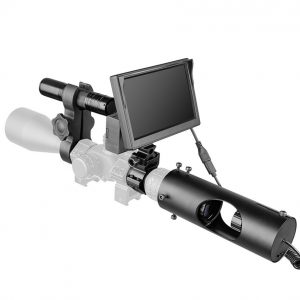
Digital Low-Light Night Vision Goggles – Laser Infrared CCD HD Imaging
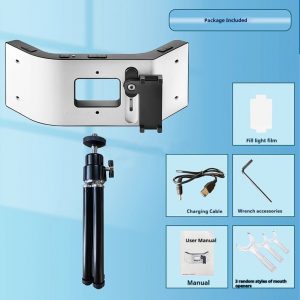
Dental Oral Photography Fill-in Light Mounting Bracket for Enhanced Imaging

Stylish Wooden Pet House Cat Litter Box Enclosure with Drawer – Indoor Side Table Pet Crate