
Choosing the right air compressor can be a daunting task, especially with a plethora of options flooding the market. However, understanding which specifications truly matter can transform this overwhelming experience into an informed and confident decision. Let’s dive into the essential features that can elevate your air compressor game and ensure you make a purchase that suits your needs perfectly.
Key Specifications to Consider
CFM (Cubic Feet per Minute)
First and foremost, consider the CFM (Cubic Feet per Minute) rating. This measurement indicates how much air the compressor can deliver. Depending on your project—be it powering pneumatic tools, inflating tires, or spray painting—this spec will dictate whether the compressor can keep up with your demands. A higher CFM rating means more power and efficiency, ensuring you can tackle tasks without interruption.
PSI (Pounds per Square Inch)
Next up is the PSI (Pounds per Square Inch) rating. This spec reflects the air pressure the compressor can generate. For most applications, a PSI of 90 to 120 is sufficient, but if you’re working with heavier-duty tools, look for compressors that can deliver 150 PSI or more. This will provide the necessary pressure to run high-demand tools, ensuring you achieve professional results every time.
Portability
Portability is another key factor. If your projects require mobility, consider a portable air compressor. Lightweight and compact options are available that can easily be transported to job sites or stored away when not in use. Look for features such as:
- Wheels
- Ergonomic handles
Remember, convenience can save you time and energy, making your work more enjoyable.
Tank Size
Don’t overlook the tank size either. A larger tank can store more air, which means you can work longer without waiting for the compressor to refill. If you’re using tools that require a continuous air supply, like nail guns or spray guns, opt for a model with at least a 4-gallon tank. However, if you’re using the compressor for quick jobs, a smaller tank may suffice, offering a more compact and lightweight option.
Noise Level
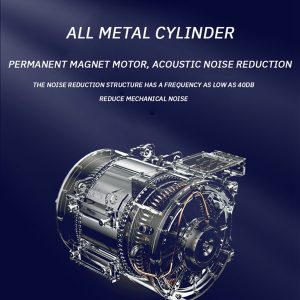
Noise level is another consideration that can impact your experience. Many air compressors operate at a decibel level that can be quite disruptive, especially if you’re working in residential areas or enclosed spaces. Look for models that are designed to operate quietly, typically around 60 decibels. This will allow you to work comfortably without disturbing others or straining your own ears.
Power Source
Lastly, evaluate the power source. Air compressors can be powered by:
- Electricity
- Gasoline
- Battery
Electric compressors are generally quieter, easier to maintain, and perfect for indoor use, while gas-powered models provide more power and mobility for outdoor projects. Battery-operated compressors offer the ultimate convenience for portability but may have limitations in terms of power and run time. Choose the type that best fits your working environment and needs.
Conclusion
In conclusion, understanding these specifications will help you navigate the air compressor market with confidence. By focusing on CFM, PSI, portability, tank size, noise level, and power source, you can find an air compressor that not only meets your demands but also enhances your productivity. Invest wisely, and watch your projects soar to new heights!
Related products
Compact Tire Inflator – Car Air Compressor | Not Available on Temu Platform

Cozy Plush Pet Blanket – Dog & Cat Mat, Ideal Air Conditioning Pet Mat

Cozy Cotton Spring and Summer Dog Clothes for Teddy Pets in Air-Conditioned Rooms