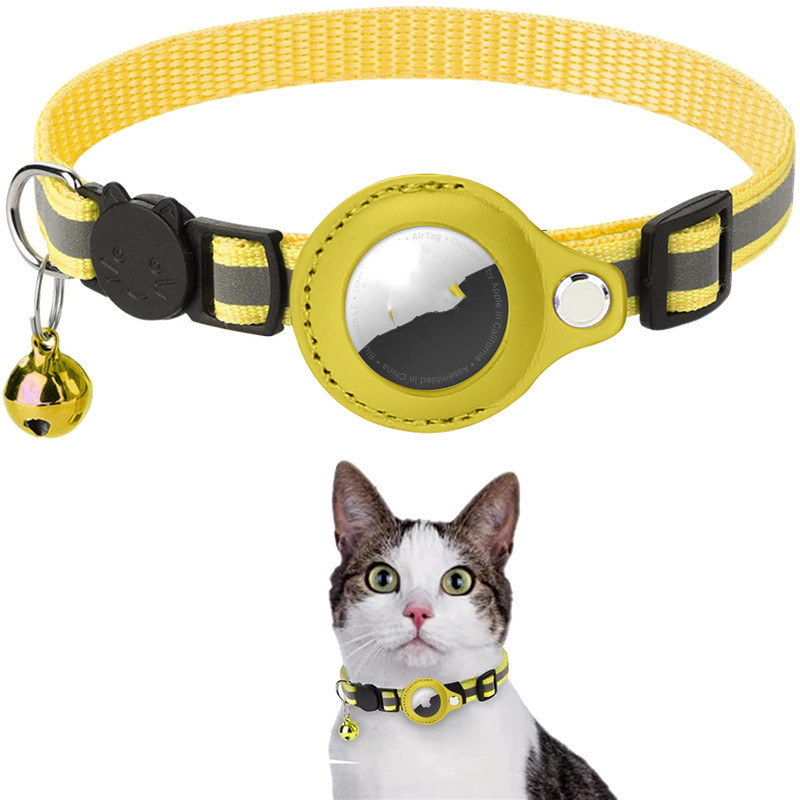
Choosing the right tracking device can feel overwhelming, especially with so many options available on the market. Apple’s AirTag has generated significant buzz, but how does it stack up against other trackers? Before making a decision, it’s essential to understand the key factors that can influence your choice.
Ecosystem Compatibility
First and foremost, the ecosystem compatibility is crucial. If you’re an iPhone user, AirTag seamlessly integrates with Apple’s Find My network, providing a user-friendly experience. The precision finding feature, utilizing ultra-wideband technology, allows for accurate tracking even in crowded environments. On the other hand, many other trackers may offer broad compatibility with both Android and iOS devices, but they often lack the same level of integration and ease of use found in Apple’s ecosystem.
Battery Life
Battery life is another vital consideration. AirTags boast a user-replaceable battery that lasts about a year, making it convenient for users who prefer minimal upkeep. Many competing trackers require more frequent charging or have built-in batteries that can be less user-friendly. Weighing how often you want to replace or recharge your device is essential in determining the best fit for your lifestyle.
Durability and Design
Durability and design also play a significant role. AirTags come with a sleek, minimalist design that feels premium, while many other trackers might prioritize function over form. If aesthetics matter to you, the choice may be clear. However, consider how rugged you need your tracker to be. Some alternatives may offer:
- Water resistance
- Additional features tailored for outdoor use
These could be a deciding factor for adventurers.
Price
Price is always a key aspect. While AirTags are competitively priced, especially considering their features and integration, some other trackers may offer lower price points with basic functionalities. However, be cautious—cheaper options may skimp on essential features like:
- Range
- Accuracy
- Reliability
Assess what you truly need; sometimes, investing a little more upfront can save you time and hassle down the road.
Community and Support
Lastly, think about the community and support surrounding your device. AirTags benefit from Apple’s extensive support network and large user base, which enhances the chances of locating lost items. In contrast, some lesser-known brands may lack the same level of community engagement or support, potentially leaving you in a lurch if something goes wrong.
Conclusion
Ultimately, the decision between AirTag and other trackers boils down to your specific needs and preferences. Consider ecosystem compatibility, battery life, design, price, and community support as you weigh your options. Making an informed choice will ensure that you select the tracking device that not only meets your expectations but exceeds them, providing peace of mind in an increasingly mobile world.
Related products
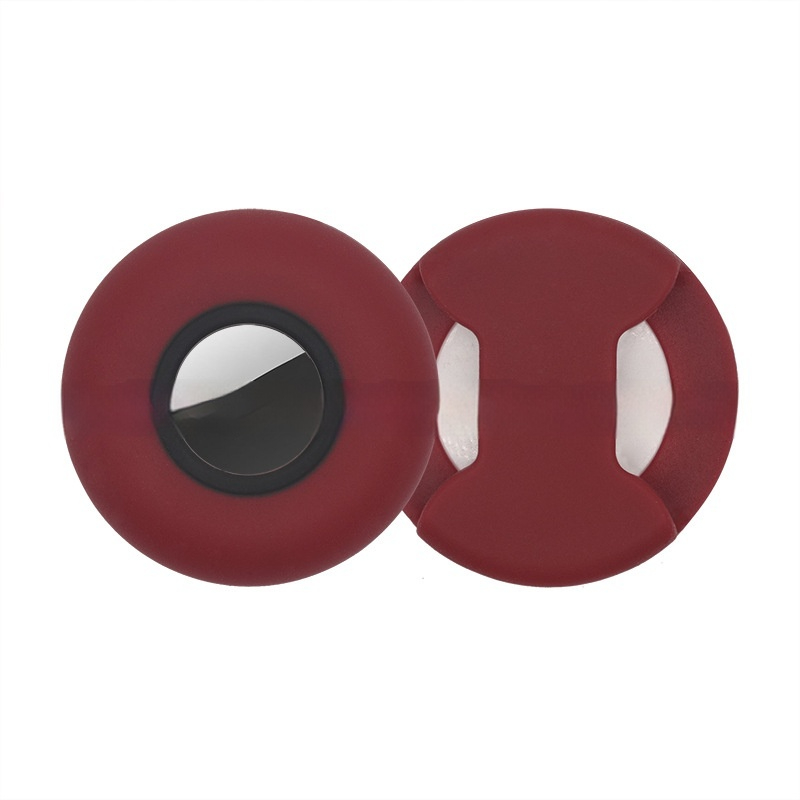
Durable Silicone Protective Cover for AirTag Pet Tracker Collar
Compatible with Apple AirTag – Silicone Protective Sleeve for Apple Tracker Locator

Large Dog Summer Mat – Cooling Pad for Golden Retrievers & Other Pets