Choosing the right fishing line can make or break your fishing experience, especially for beginners eager to reel in their first big catch. Each type of line—monofilament, fluorocarbon, and braided—offers unique advantages tailored to different fishing styles and conditions. Understanding these differences will empower you to make an informed decision that enhances your time on the water.
Types of Fishing Line
Monofilament Fishing Line
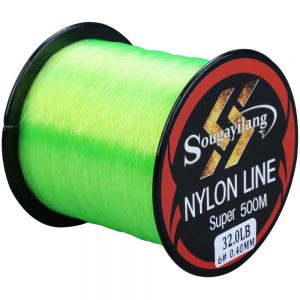
Monofilament fishing line is often the go-to choice for newcomers. Its affordability and ease of use make it a practical option. This single-strand line is forgiving and stretches under pressure, which can help prevent breakage when you’re battling a fish. Its buoyancy allows it to float, making it ideal for topwater fishing and situations where you want your bait to sit just below the surface. Plus, monofilament is available in a variety of colors, providing versatility for different water conditions. For beginners, this line is like a trusty friend, always ready to lend a hand in developing fishing skills.
Fluorocarbon Fishing Line
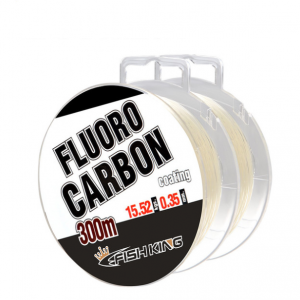
On the other hand, fluorocarbon line boasts nearly invisible properties underwater, making it an excellent choice for clear water conditions. Its low visibility can mean the difference between a shy fish taking the bait or swimming away. Fluorocarbon is also highly resistant to abrasion, ensuring durability against rocks and other underwater hazards. While it tends to be pricier than monofilament, the benefits it offers can lead to more successful fishing trips. Beginners looking to refine their techniques may find fluorocarbon invaluable as they learn to navigate more challenging fishing environments.
Braided Fishing Line
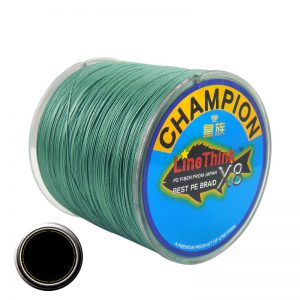
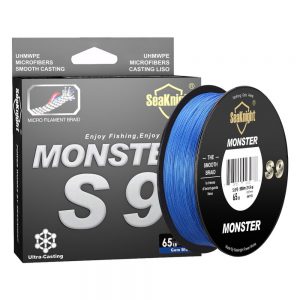
Braided line is where things get exciting for those ready to step up their game. This type of line is incredibly strong for its diameter, allowing for a higher test weight without bulkiness. Its sensitivity is unmatched, giving you instant feedback when a fish bites. This means beginners can quickly learn to distinguish between different types of bites. Braided line also has minimal stretch, which is perfect for techniques that require immediate hook sets. Although it’s usually more expensive, the performance benefits can lead to greater success and satisfaction on the water.
Choosing the Right Line
When deciding which line is best for you, consider your:
- Fishing style
- Types of waters you’ll be fishing in
- Your budget
Monofilament is fantastic for casual outings, fluorocarbon shines in clarity, and braided line is ideal for those looking to maximize performance. Each line has its unique strengths, and understanding them will not only enhance your fishing experience but also build your confidence as a new angler.
Conclusion
In conclusion, the best fishing line for beginners ultimately depends on your specific needs and fishing goals. Don’t hesitate to experiment with different types to find what works best for you. With the right fishing line in hand, you’re not just casting into the water; you’re casting into a world of adventure, excitement, and the thrill of the catch. Embrace the journey, and let the lines lead you to unforgettable experiences on the water!