The debate between blue light glasses and monitor filters is heating up, with many people wondering which option truly offers the best protection against digital eye strain. As our lives become increasingly intertwined with screens, understanding these tools can make a significant difference in our daily comfort and eye health.
Blue Light Glasses
Blue light glasses have surged in popularity, often marketed as a simple yet effective solution for those who spend long hours in front of computer screens. These specially designed lenses filter out a portion of blue light emitted by digital devices, helping to reduce glare and minimize eye fatigue. Users often report experiencing:
- Less discomfort
- Fewer headaches
- Improved sleep patterns
when wearing these glasses, especially during late-night work sessions. The convenience of slipping on a pair of stylish blue light glasses before diving into a project is undeniably appealing.
Monitor Filters
On the other hand, monitor filters provide a different approach. These physical barriers attach directly to your screen, working to block blue light and reduce glare from overhead lighting. Unlike blue light glasses, which can be worn at any time, monitor filters create a consistent shield against harmful rays directly at the source. They are particularly useful in shared workspaces, where glare can be a collective issue. For those who struggle with eye strain, a monitor filter can enhance the overall viewing experience, creating a more comfortable environment for long hours of screen time.
Choosing the Right Option
Both solutions have their merits, but the effectiveness often depends on individual needs and preferences. Consider the following:
- Mobility: For those who frequently transition between various devices or require mobility in their work, blue light glasses may offer unmatched versatility. They can be easily carried in a bag or worn during meetings and while commuting.
- Stationary Use: Conversely, if you are stationary at a desk for extended periods, a monitor filter could prove to be a more effective long-term investment, providing a stable solution for eye comfort.
Cost-Effectiveness
It’s also important to consider the cost-effectiveness of each option. Blue light glasses can range widely in price, from budget-friendly options to high-end designer frames. Meanwhile, monitor filters typically represent a one-time purchase that can last for years with proper care. When weighing your choices, think about how much time you spend on screens and how each solution aligns with your lifestyle.
Conclusion
Ultimately, the choice between blue light glasses and monitor filters comes down to personal preference and specific circumstances. Some may find that a combination of both works best, offering the flexibility of glasses when on the go and the comprehensive protection of a filter at their workstation.
Investing in either option means taking proactive steps toward safeguarding your eye health in our screen-dominated world. Whichever route you choose, you’re making a commitment to comfort, clarity, and well-being. So, why not explore both avenues and discover what truly works for you? Your eyes will thank you!
Related products

Men’s Blue Light Glass Wrist Watch – Stylish and Modern New Timepieces
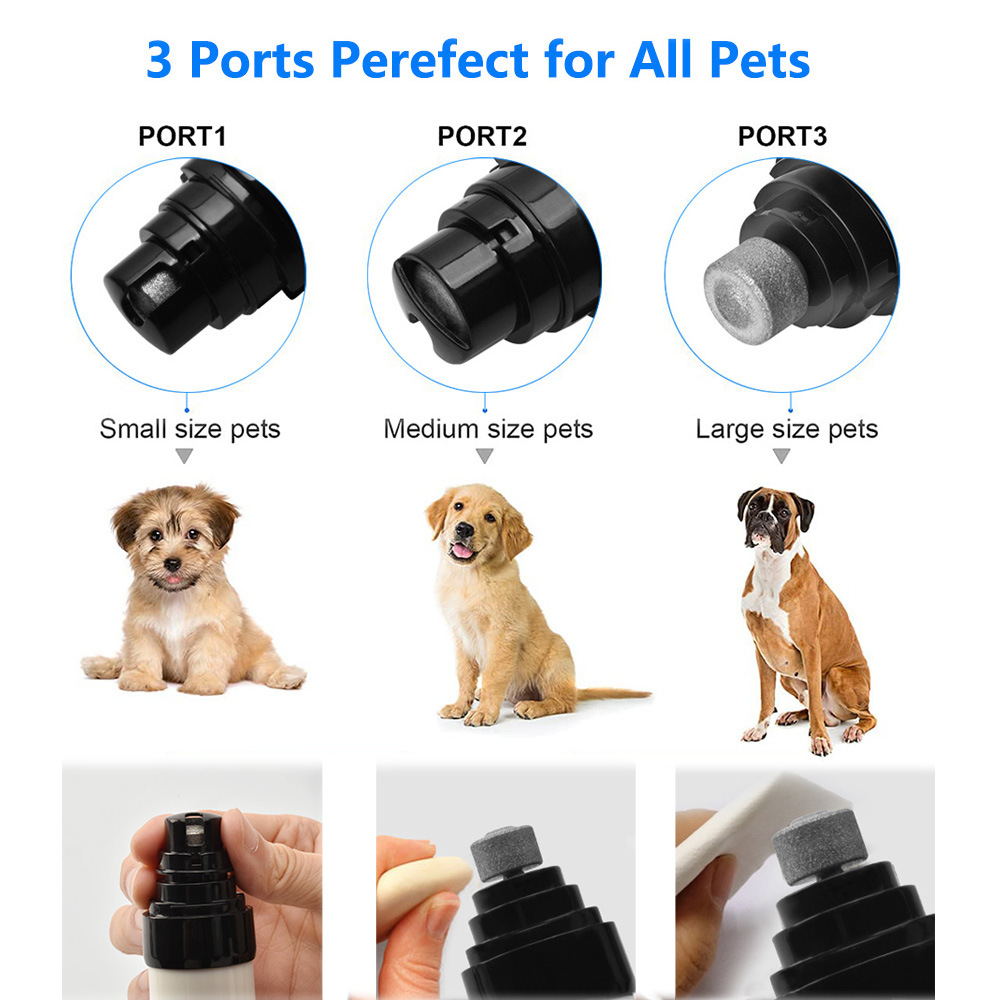
Multifunctional Pet Nail Clippers with Light and Magnifying Glass for Precision Care
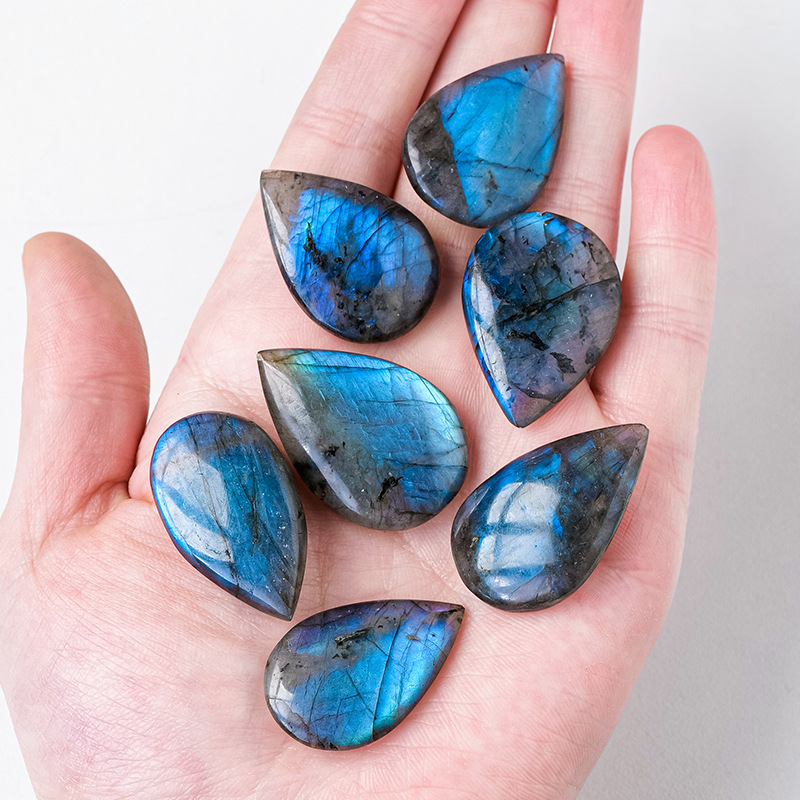
Natural Crystal Blue Light Elongated Stone Droplets for Stunning Decor