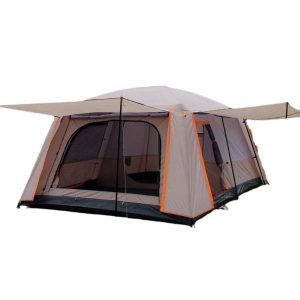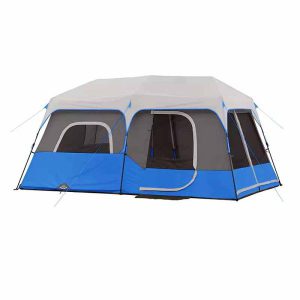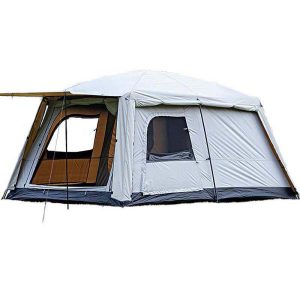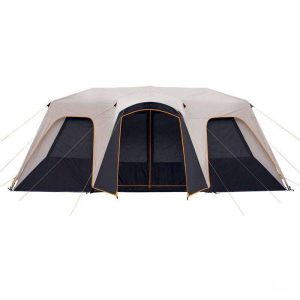
Setting up a cabin tent doesn’t have to feel like a daunting task. Whether you’re a seasoned camper or just starting your outdoor adventures, mastering the art of quick tent pitching can transform your camping experience into a delightful escape. Here’s how to make the process smoother and faster, so you can spend more time enjoying nature and less time battling with poles and fabric.
Preparation is Key
First and foremost, preparation is key. Before you even hit the campsite, practice setting up your cabin tent in your backyard or living room. Familiarity with the tent’s components—poles, rainfly, stakes—will boost your confidence and speed when it’s time to pitch it for real. You’ll learn the ins and outs of your tent, including the best order to assemble the pieces and any quirks that might slow you down.
Choosing the Right Spot
When you arrive at your campsite, choose a flat, dry area to set up. Clear away rocks, sticks, and other debris that can damage your tent or make it uncomfortable. A level surface not only protects your gear but also speeds up the pitching process. Setting up on uneven ground can lead to frustration as you adjust the tent to sit properly.
Organizing Your Components
As you unpack your tent, lay out all components in an organized manner:
- Group the poles
- Separate the fabric
- Organize the stakes
This method reduces the time spent searching for pieces and allows you to visualize the setup process better. A little organization goes a long way in ensuring a quick and efficient pitch.
Setting Up the Tent
When it’s time to set up, start with the poles. For cabin tents, many designs feature color-coded poles or sleeves that guide you in assembly. Utilize these features to your advantage. If your tent has clips instead of sleeves, attach them to the poles as you go to save time. This way, when you’re ready to raise the tent, it’s practically ready to go.
Using a Tent Footprint
Next, consider using a tent footprint or ground tarp. This not only adds an extra layer of protection for your tent floor but also simplifies the setup process. By laying out the footprint first, you create a clear visual guide for where your tent will go, making it easier to align everything correctly.
Attaching the Tent Fabric
Once the frame is up, it’s time to attach the tent fabric. This is where teamwork can really shine. If you’re camping with a partner or friends, enlist their help to hold the tent while you secure it. This not only speeds up the process but also makes it more enjoyable. A little laughter and camaraderie can make even the most mundane tasks feel like part of the adventure.
Securing Your Tent
Finally, don’t forget to stake down your tent properly. This final step is crucial for ensuring stability, especially in windy conditions. Use a mallet for easier stake insertion and ensure that your guy lines are taut. Properly securing your tent can prevent it from becoming a sail in a gusty wind, allowing you to relax and enjoy your surroundings without worry.
Conclusion
In conclusion, mastering the art of cabin tent setup can turn a potentially frustrating experience into a seamless operation. By preparing ahead of time, organizing your materials, and utilizing teamwork, you can pitch your tent faster and enjoy your camping adventure to the fullest. Embrace the great outdoors with confidence, knowing that you can tackle any setup challenge that comes your way!