Safety is paramount when operating a chainsaw, a tool that, while incredibly useful, can also pose significant risks without proper precautions. Understanding the basics of Personal Protective Equipment (PPE) and kickback management is crucial for anyone looking to wield this powerful instrument safely.
Personal Protective Equipment (PPE)
The first line of defense against chainsaw injuries is high-quality PPE. Equip yourself with:
- Durable Helmet: Features a face shield to protect against flying debris.
- Hearing Protection: Essential, as chainsaws can reach noise levels that can damage your hearing over time.
- Eye Protection: Safety goggles or glasses shield your eyes from chips and dust.
- Cut-Resistant Clothing: Trousers made from specialized materials can significantly reduce the risk of serious injuries.
Footwear and Gloves
Footwear matters too—choose steel-toed boots that provide both grip and protection. Gloves designed for chainsaw use offer an extra layer of defense, ensuring a firm grip while safeguarding your hands from potential cuts.
Understanding Kickback
But even with the best PPE, chainsaw kickback remains a major hazard that demands your attention. Kickback occurs when:
- The tip of the chainsaw blade strikes an object.
- The chain becomes pinched.
This can result in the saw being violently thrown back toward the operator. To mitigate this risk:
- Always maintain a firm grip with both hands on the saw.
- Keep your body to the side of the cutting path, never directly behind it.
Using Low Kickback Chains
Utilizing a chainsaw with a low kickback chain can also be a game-changer. These chains are designed to reduce the likelihood of kickback, making your cutting tasks much safer. Additionally, ensure your chainsaw is well-maintained; a dull chain can increase the chances of kickback and lead to a more dangerous cutting experience.
Assessing Your Surroundings
Before starting any job, assess your surroundings:
- Clear away any obstacles.
- Ensure that bystanders are at a safe distance.
- Be mindful of your footing and work on stable ground to maintain balance while operating the saw.
Training and Skill Refreshing
Chainsaw safety is not just about wearing the right gear; it’s also about understanding how to use the tool effectively and responsibly. Invest in training if you’re a novice, or even if you’re experienced, as refreshing your skills can reinforce safe practices and techniques.
Conclusion
By prioritizing PPE and kickback awareness, you can confidently tackle your cutting tasks while minimizing risks. Chainsaws are incredible tools, but with great power comes great responsibility. Equip yourself with the knowledge and tools necessary to operate safely, and you’ll enjoy a productive and injury-free experience.
Related products
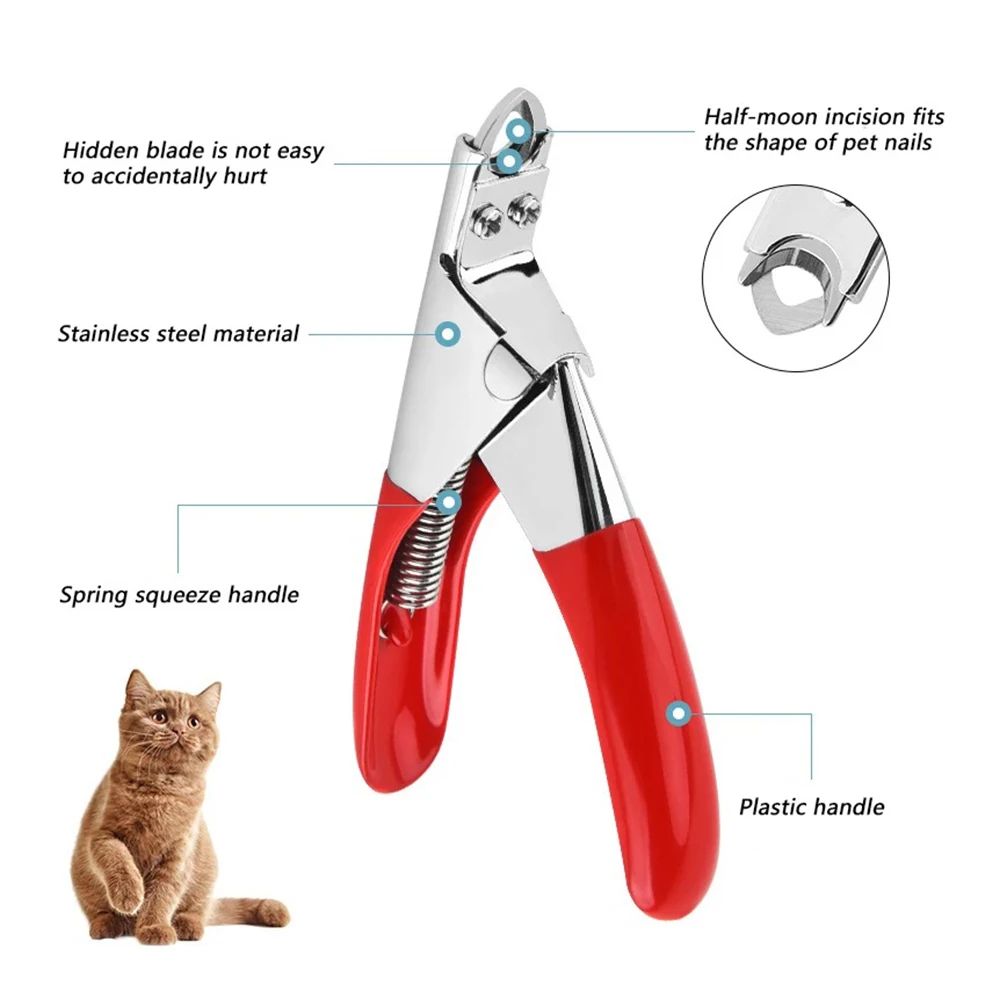
Professional Dog Nail Clippers – Type U Word False Tips, Straight Edge Cutters, and Guillotine Nail Capsule for Perfect Manicure

Dog Car Seat Cover – Mesh Pet Carrier Hammock Safety Protector for Rear Seat with Zipper & Pocket – Ideal for Travel
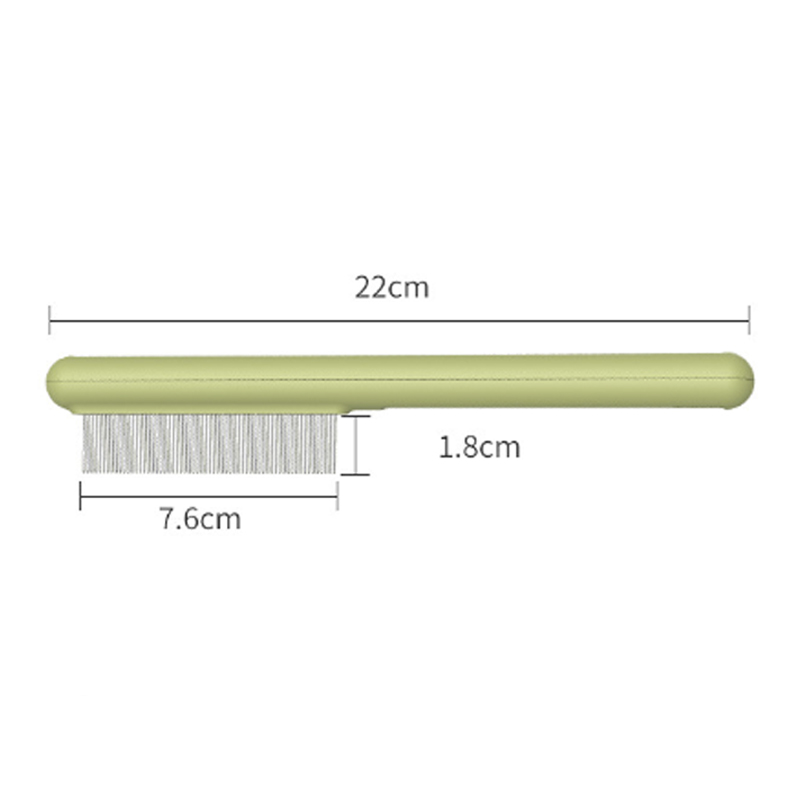
Stainless Steel Cat Comb with Rounded Teeth & Smooth Tips – Pet Massage Tool for Long & Short-Haired Cats, Effectively Removes Loose Hair, Fleas, and Lice