Choosing the right foundation for your yoga practice can be a game changer, influencing your stability, comfort, and overall experience. Grip socks and barefoot yoga are two popular options, each with their own unique benefits and drawbacks. Understanding these can help you find the perfect fit for your practice.
Grip Socks
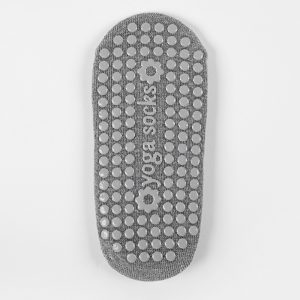
Starting with grip socks, these innovative accessories are designed to enhance your grip on the mat while providing warmth and comfort. The textured bottoms prevent slipping, making them an excellent choice for those who may struggle with balance or have sweaty feet. This added traction allows you to focus on your poses without the distraction of sliding around, which can be particularly beneficial in dynamic classes like hot yoga. Furthermore, grip socks keep your feet cozy, offering a sense of security that can enhance your overall practice. They are also versatile, easily transitioning from the studio to casual outings, making them a practical addition to your wardrobe.
Benefits of Grip Socks
- Enhanced grip and stability on the mat
- Warmth and comfort for your feet
- Prevention of slipping during poses
- Versatile for both yoga and casual wear
Drawbacks of Grip Socks
On the flip side, some practitioners argue that grip socks can limit the natural movement of the foot, creating a disconnect between the body and the mat. The sensation of being barefoot is often preferred for grounding oneself and developing a deeper connection to the practice. Additionally, grip socks can feel restrictive to some, potentially hindering the freedom of movement that many yogis cherish.
Barefoot Yoga
Barefoot yoga, conversely, invites you to connect directly with the earth beneath you. This approach promotes a heightened awareness of your body’s alignment and balance, allowing you to fully engage with your poses. The sensory experience of feeling the texture of the mat can enhance mindfulness and grounding, which are key components of yoga. Furthermore, practicing barefoot encourages the natural strengthening of foot muscles, which can improve overall stability and body awareness.
Benefits of Barefoot Yoga
- Direct connection to the mat and earth
- Enhanced body awareness and alignment
- Improved stability through natural foot muscle strengthening
- Mindfulness and grounding through sensory experience
Challenges of Barefoot Yoga
However, practicing barefoot is not without its challenges. For those with sensitive feet or certain foot conditions, the lack of cushioning and support can lead to discomfort. In studios with cold floors, the absence of socks may also detract from the overall experience, making it harder to focus on your practice.
Conclusion
In the end, the choice between grip socks and barefoot yoga comes down to personal preference and the specific needs of your practice. If you seek stability, warmth, and versatility, grip socks may be your ideal companion. Alternatively, if you value a direct connection to your mat and the freedom of movement, barefoot yoga might be the way to go.
Consider experimenting with both options to discover what resonates with you. Your yoga journey is unique, and finding the right balance between grip and freedom can lead to a more enriching experience on the mat. Whether you choose grip socks or embrace the barefoot approach, the most important aspect is to enjoy your practice and honor your body’s needs.
Related products
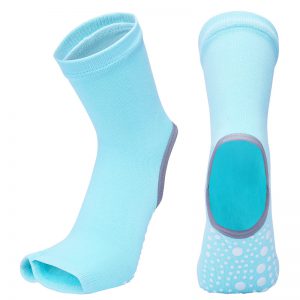
Women’s Non-Slip Yoga Socks for Enhanced Grip and Comfort
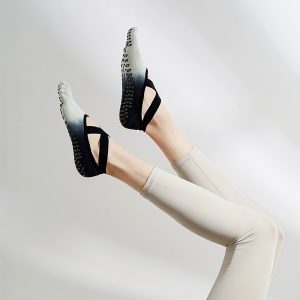
Non-Slip Yoga Socks for Women & Men – Grippy Full Toe Sticky Grip Accessories for Yoga, Barre, Pilates, Dance, Ballet
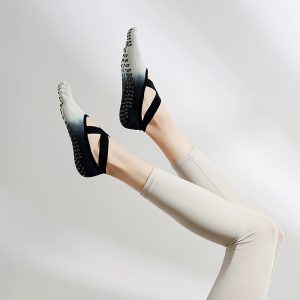
Non-Slip Yoga Socks for Women and Men – Full Toe Grippy Accessories for Yoga, Barre, Pilates, Dance, Ballet