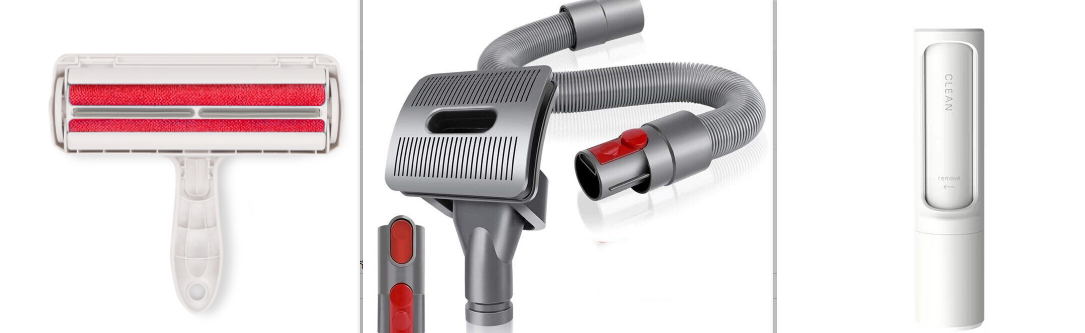
Brushing your dog shouldn’t feel like a wrestling match; it should be a bonding experience that both you and your furry friend enjoy. The right technique and tools can make all the difference, ensuring your dog’s coat stays healthy while avoiding any discomfort.
Understanding Your Dog’s Coat Type
Start with understanding your dog’s coat type. Long-haired breeds like Golden Retrievers or Shih Tzus require different grooming approaches compared to short-haired breeds like Beagles or Boxers.
Choosing the Right Brush
Choosing the right brush is essential:
- For long-haired dogs, a slicker brush can detangle knots without tugging at the skin.
- Short-haired dogs often benefit from a bristle brush that distributes natural oils, promoting a shiny coat.
Creating a Calm Environment
Before you dive into brushing, create a calm environment. Choose a quiet space where your dog feels secure. Begin with gentle strokes, allowing your dog to acclimate to the sensation. Pay attention to their body language; if they flinch or pull away, pause and reassure them. This builds trust and makes grooming a pleasurable ritual.
Using the Right Tools
Using the right tools is crucial. Invest in high-quality brushes designed for your dog’s specific coat type. Brands like Hertzko and Pet Necks offer ergonomic designs that reduce strain on your hands while ensuring a smooth grooming experience. A de-shedding tool can be a game-changer for dogs that shed heavily, helping to reduce loose fur without hurting the skin.
Incorporating Regular Grooming
Incorporate regular grooming into your routine:
- Aim for once a week for short-haired dogs.
- Groom every few days for long-haired breeds.
This consistency not only keeps your dog’s coat healthy but also strengthens your bond. Use treats to reward good behavior, turning grooming into a fun and rewarding experience for your pet.
Checking for Mats and Tangles
Remember to check for mats or tangles, particularly in sensitive areas like behind the ears or under the legs. If you encounter a stubborn knot, don’t yank it out. Instead, gently work through it with your fingers or a detangling spray designed for pets, which can provide extra slip and comfort.
Skin Check During Grooming
Grooming time can also be an opportunity for a thorough skin check. Look for any unusual lumps, bumps, or irritations while brushing. Early detection of skin issues can save you and your dog from potential health problems down the line.
Conclusion
In summary, brushing your dog with care involves the right tools, gentle techniques, and a calm environment. With a little patience and the right approach, you can transform grooming from a chore into a cherished bonding time. Choose quality grooming tools, understand your dog’s coat, and make the experience enjoyable for both of you. Your furry friend will thank you with wagging tails and happy barks!
Related products
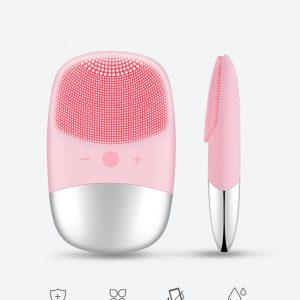
Mini Silicone Electric Face Cleansing Brush – Ultimate Facial Cleanser & Skin Massager Tools for Radiant Skin Care
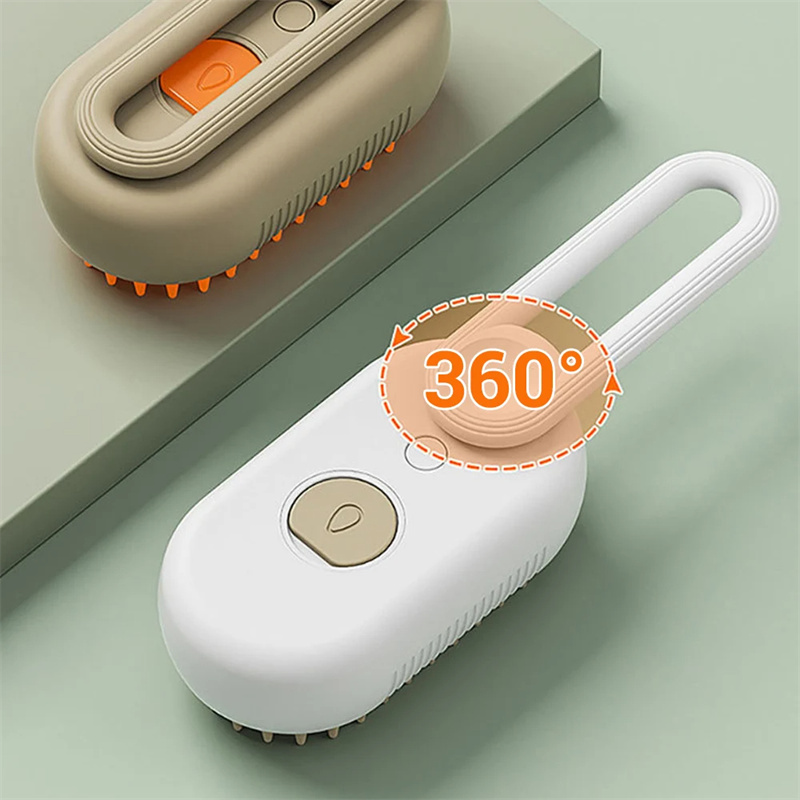
3-in-1 Cat Steam Brush & Steamy Dog Brush – Electric Spray Grooming Tool for Pet Hair Removal & Massage
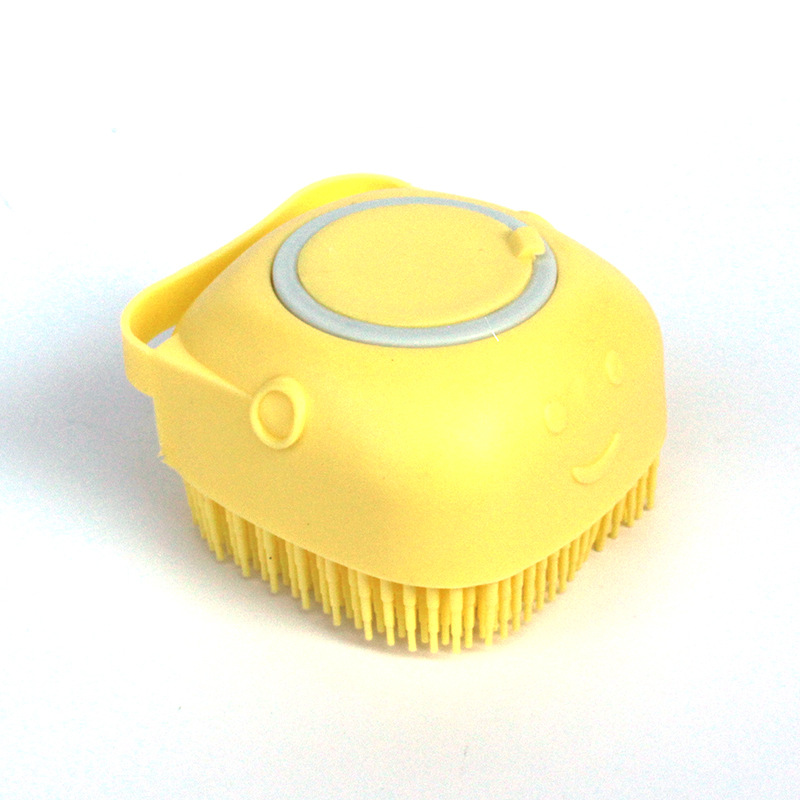
Silicone Dog Bath Massage Gloves – Effective Pet Grooming Tool & Shampoo Brush for Cats and Dogs