Choosing the right balance board can be a game-changer for anyone looking to enhance their stability, coordination, and overall fitness. However, for beginners, safety should always be the top priority. Here’s how to make an informed choice that aligns with your goals while ensuring a secure and enjoyable experience.
Types of Balance Boards
First and foremost, consider the type of balance board that suits your needs. There are several styles available:
- Rocker boards
- Wobble boards
- Roller boards
Each offers unique challenges and benefits. For beginners, a rocker board is often the best choice. Its simple design allows for controlled movements, making it easier to develop foundational balance skills without overwhelming your senses.
Size and Weight Capacity
Next, think about the size and weight capacity of the balance board. Ensure that the board is large enough to accommodate your stance comfortably and is sturdy enough to support your weight. Boards made from high-quality materials, such as bamboo or hardwood, not only provide durability but also enhance stability. Look for options with non-slip surfaces to minimize the risk of slipping, especially as you’re getting accustomed to the movements.
Safety Gear
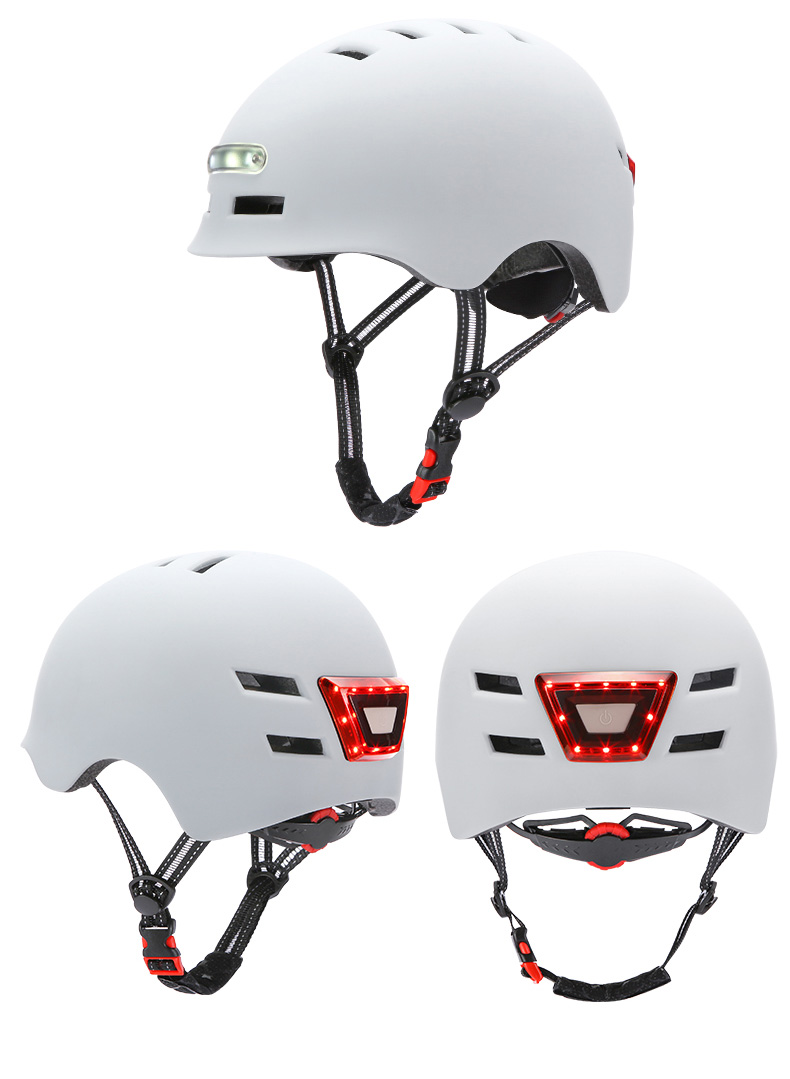
Safety gear is another essential aspect of your balance board journey. Wearing a helmet, wrist guards, and knee pads can provide an extra layer of protection as you learn the ropes. Although you may not anticipate falling, it’s better to be prepared, especially when you’re trying out new tricks or challenging your limits.
Practice Environment
When starting out, practice in a safe environment. Choose a space with ample room and a soft surface, like a carpet or mat, to cushion any potential falls. This will boost your confidence and allow you to focus on mastering your balance without the fear of injury. As you progress, gradually introduce new elements, such as varying your stance or incorporating dynamic movements, to keep your practice engaging and fun.
Seek Guidance
Finally, don’t hesitate to seek guidance from experienced users or instructional videos online. There’s a wealth of resources available that can provide tips and tricks to enhance your balance board experience. Learning from others not only accelerates your progress but also reinforces safe practices that can help you avoid common pitfalls.
Conclusion
In conclusion, selecting the right balance board involves understanding your needs, prioritizing safety, and creating a conducive learning environment. With the right board and precautions, you can embark on a rewarding journey that enhances your physical fitness while providing endless enjoyment. So gear up, take the plunge, and discover the exhilarating world of balance boarding!
Related products
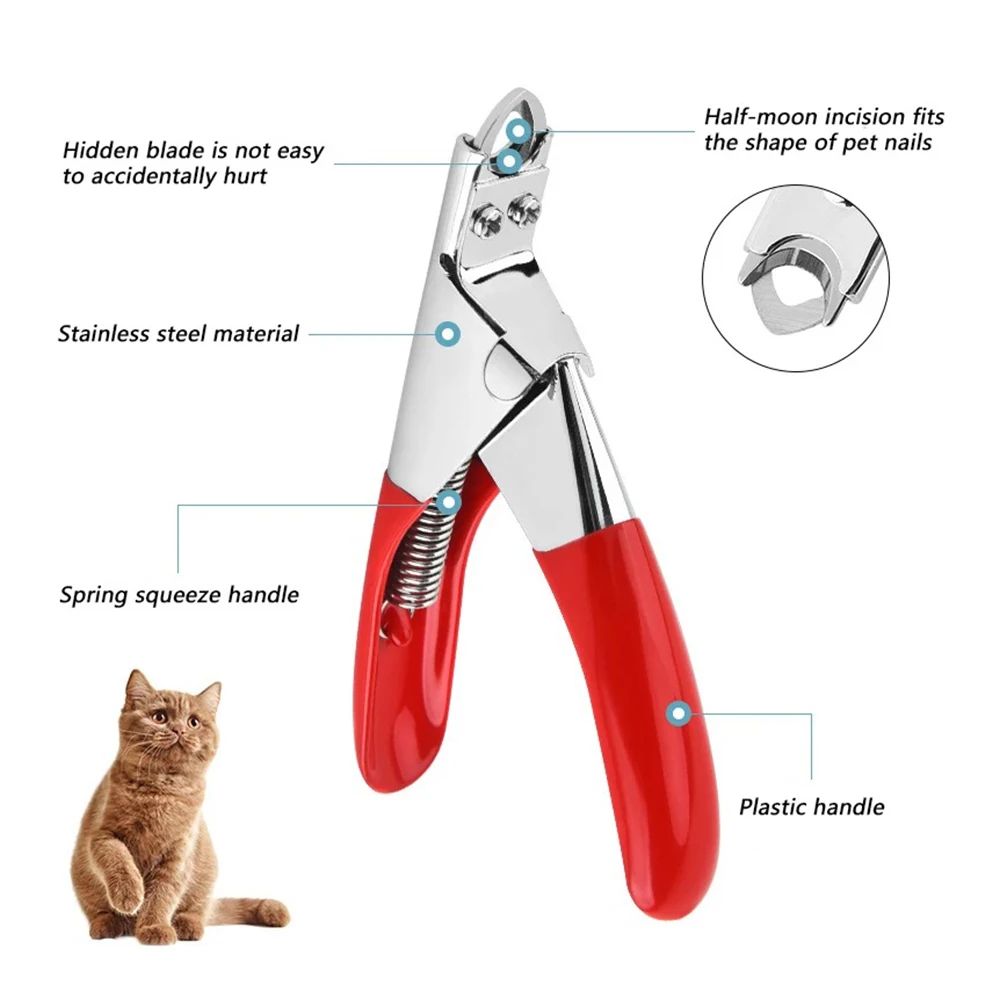
Professional Dog Nail Clippers – Type U Word False Tips, Straight Edge Cutters, and Guillotine Nail Capsule for Perfect Manicure
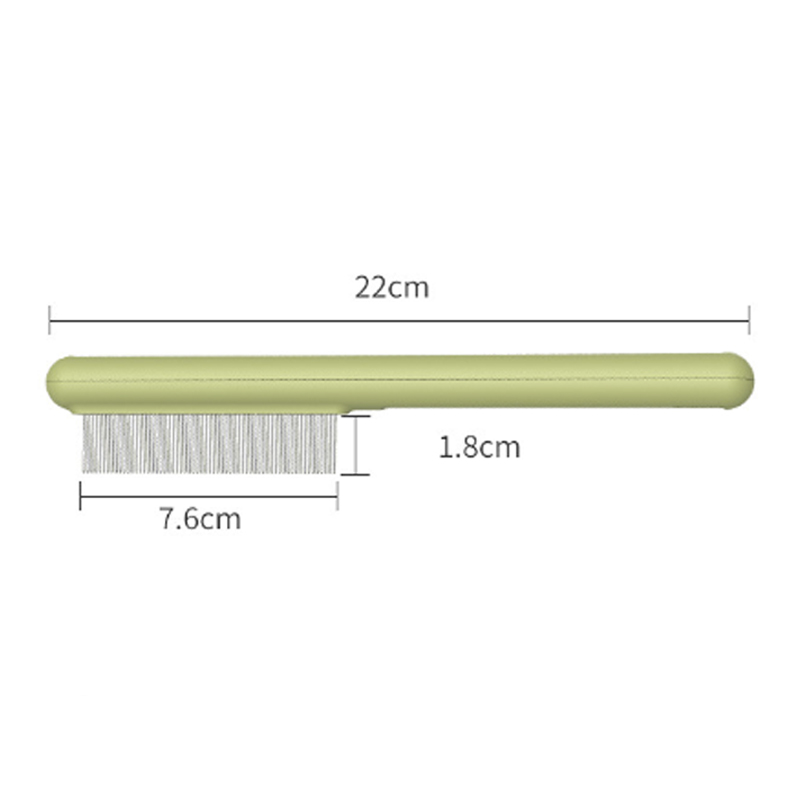
Stainless Steel Cat Comb with Rounded Teeth & Smooth Tips – Pet Massage Tool for Long & Short-Haired Cats, Effectively Removes Loose Hair, Fleas, and Lice
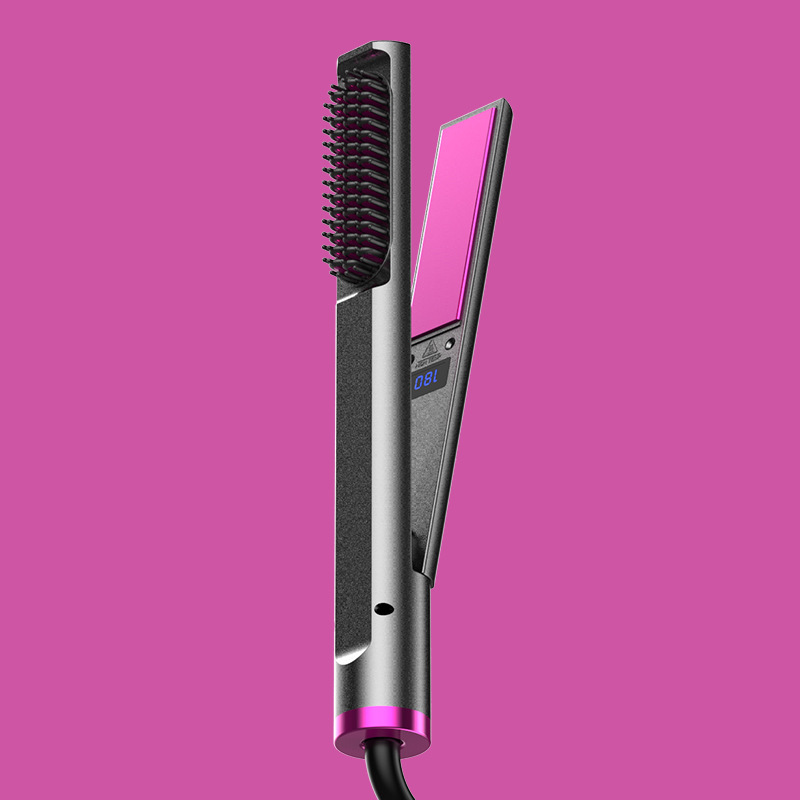
Protect Your Curling Iron: Essential Tips to Avoid Damage