When precision is non-negotiable, the right caliper can make all the difference in your projects, whether you’re a seasoned professional or a DIY enthusiast. Choosing between a digital caliper and a dial caliper involves more than just preference; it’s about understanding how each type can elevate your work and meet your specific needs.
Digital Calipers: Champions of Convenience
Digital calipers are the champions of convenience. With their easy-to-read LCD screens, they eliminate the guesswork that can come with traditional measuring tools. Imagine needing to measure a component quickly and accurately—just slide the caliper, glance at the display, and you have your measurement in seconds. The instant readout not only saves time but also reduces the likelihood of human error, making digital calipers ideal for complex projects that demand high accuracy.
Many models also offer features like:
- Data hold
- Conversion between metric and imperial units
- USB connectivity for easy data transfer to computers
For those who value efficiency and modern technology, digital calipers stand out as a superior choice.
Dial Calipers: Reliability and Charm
On the other hand, dial calipers hold a certain charm and reliability that many professionals still swear by. The mechanical simplicity of a dial gauge can be comforting. With no batteries to worry about, these calipers are always ready to deliver precise measurements. The tactile feedback of the dial adds a level of engagement that some users find satisfying.
Moreover, dial calipers are often seen as more robust and can withstand harsh working conditions. For traditionalists and those who appreciate craftsmanship, the dial caliper offers a sense of connection to the tools of the trade.
Consider Your Working Environment
Consider your working environment when making your choice:
- If you often work in dimly lit areas or need to take measurements quickly on the go, a digital caliper’s bright display can be invaluable.
- Conversely, if you’re in a setting where tools are exposed to dust, moisture, or extreme temperatures, a dial caliper’s rugged design might be more appropriate.
Budget Considerations
Budget is another important factor. While both types of calipers can vary widely in price, digital options often come with a higher price tag due to their advanced technology. However, investing in a quality digital caliper can pay off in accuracy and efficiency, especially if you frequently engage in precision tasks. Dial calipers, while generally more affordable, can still offer exceptional performance if you choose a reputable brand.
Making Your Choice
Ultimately, the choice between digital and dial calipers boils down to your specific needs and preferences. If you thrive on speed, accuracy, and technology, a digital caliper is likely your best bet. However, if you value simplicity, reliability, and a hands-on approach, a dial caliper may be the tool that speaks to your craftsmanship.
Conclusion
Whichever you choose, ensuring that you have the right caliper is vital for achieving precision in your measurements. Explore your options, assess your requirements, and invest in the tool that will empower you to bring your projects to life with unparalleled accuracy.
Related products
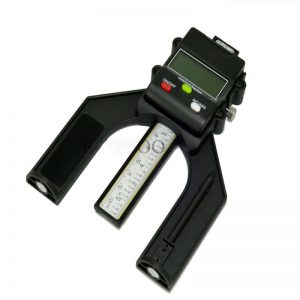
Precision Digital Depth Gauge for Woodworking – Accurate Measurement Tool
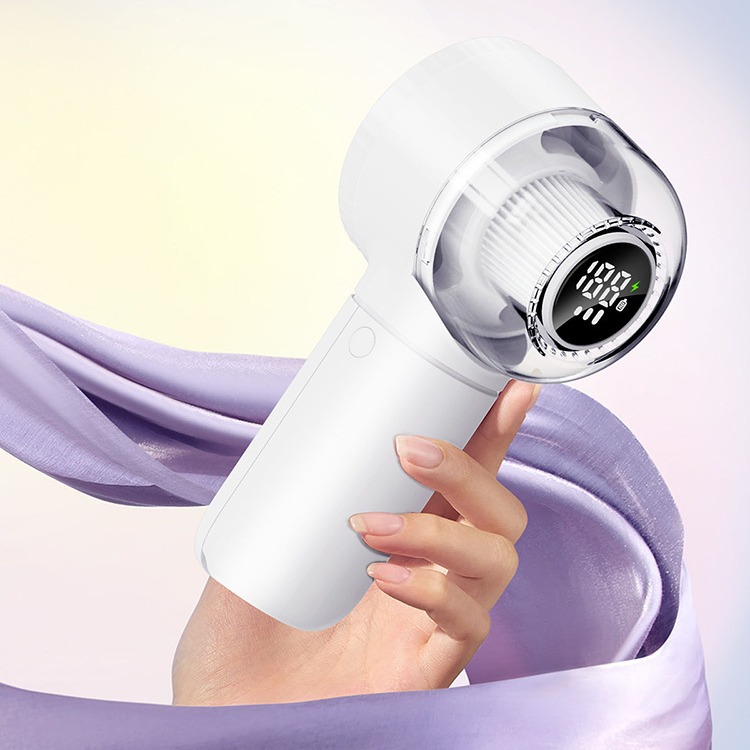
Fur Ball Trimmer for Clothing – Digital Display Household Hair Ball Remover
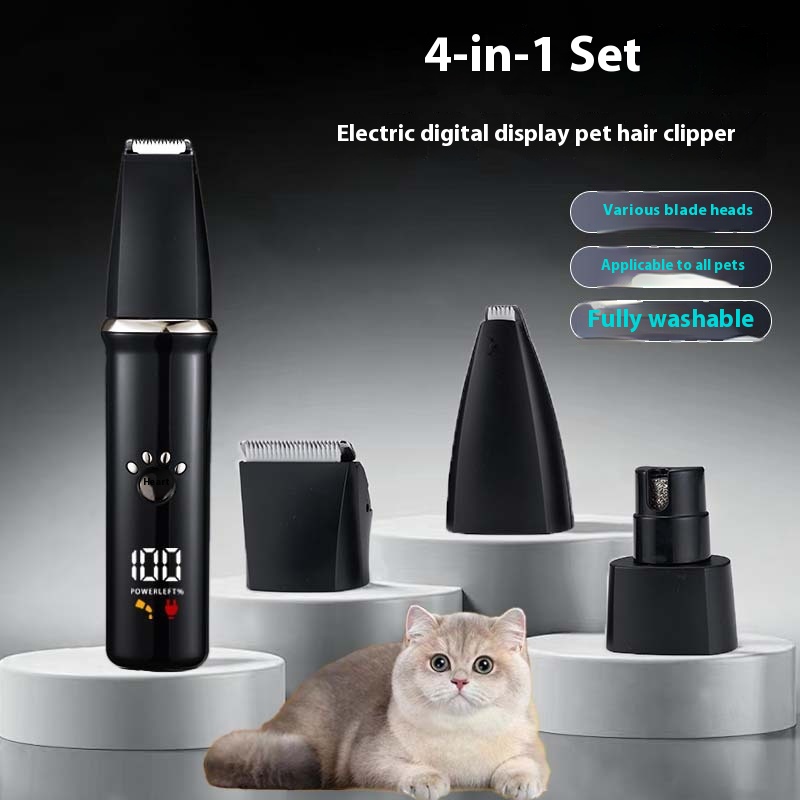
4-in-1 Electric Pet Shaver Set with Digital Display for Washing Dogs & Cats Scissors