When it comes to enhancing the air quality in your vehicle, the choice between a HEPA filter and an ionizer can make a significant difference. Small cabins, like those in compact cars or SUVs, can trap pollutants and allergens more easily, making it crucial to select the right air purifier. Understanding the strengths and weaknesses of each technology will empower you to make an informed decision that keeps your driving environment fresh and healthy.
HEPA Filters: Your Best Ally Against Allergens
HEPA filters are renowned for their efficiency in capturing airborne particles. If you’re battling dust, pollen, pet dander, or smoke, a HEPA filter is your best ally. These filters can trap up to 99.97% of particles as small as 0.3 microns, ensuring that even the tiniest allergens don’t stand a chance. Imagine enjoying a long drive with the windows up while knowing that the air you breathe is clean and free from irritants. Investing in a HEPA-equipped air purifier means investing in your health and comfort on the road.
Ionizers: A Different Approach
On the other hand, ionizers work by releasing negatively charged ions into the air. These ions attach themselves to positively charged particles like dust and allergens, causing them to clump together and fall out of the air. While this method can effectively reduce airborne particles, it’s essential to note that ionizers may produce ozone as a byproduct. Ozone, while helpful in eliminating odors, can be harmful at higher levels, particularly in enclosed spaces like a car. Therefore, if you opt for an ionizer, ensure that it is certified to produce safe ozone levels.
Choosing the Right Option for Small Cabins
For small cabins, the choice might boil down to your specific needs:
- If you frequently transport pets or have allergies, a HEPA filter is likely the safer option.
- Its ability to capture particles makes it a no-brainer for anyone sensitive to allergens.
- If you prefer a quieter operation and are looking to combat odors while maintaining a bit of fresh air, an ionizer could complement your driving experience.
Maintenance Considerations
Consider the ease of maintenance as well:
- HEPA filters typically require regular replacements, which can be an ongoing expense.
- In contrast, ionizers often need less frequent maintenance, but it’s still vital to clean the device to ensure optimal performance.
Think about how much effort you’re willing to invest in upkeep—this can sway your decision toward one technology over the other.
Conclusion: Prioritize Your Comfort and Well-being
Ultimately, the best choice for your car air purifier hinges on your lifestyle and health priorities. If you want a robust solution that eliminates allergens and provides peace of mind, a HEPA filter stands out. If you’re inclined toward a quieter, low-maintenance option that focuses on odor elimination, an ionizer may be suitable. Whichever you choose, prioritize your comfort and well-being as you hit the open road. Clean air is not just a luxury; it’s a necessity for an enjoyable driving experience.
Related products
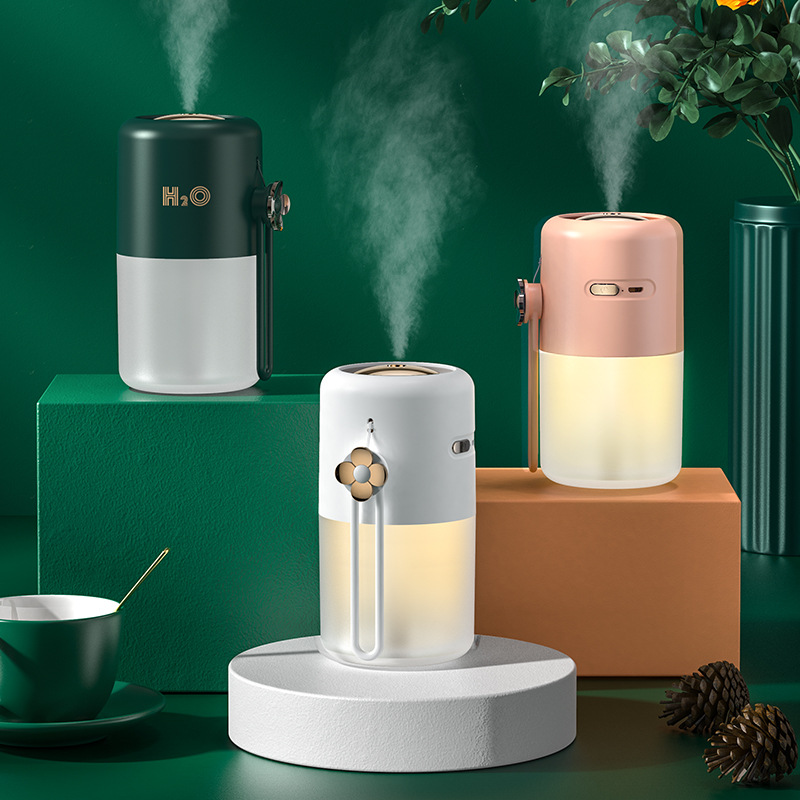
Compact Car Air Mini: Innovative Desktop Small Air Purifier
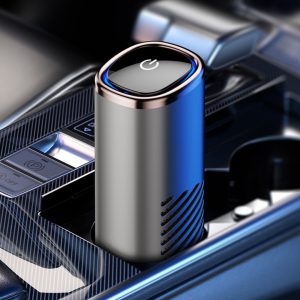
Mini Portable Anion Car Air Purifier – Efficient Air Purifier for Cars
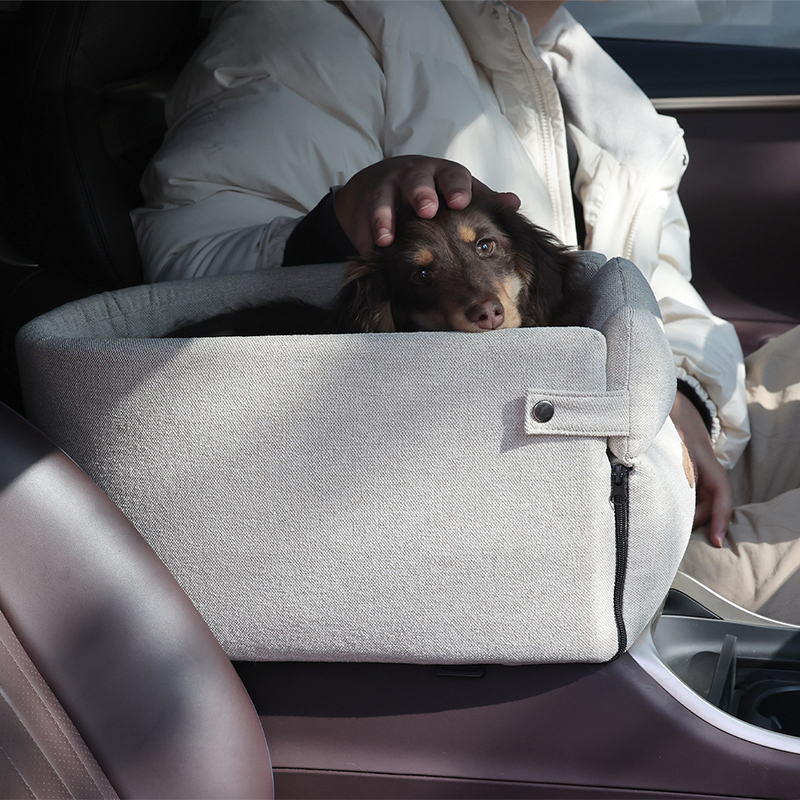
Portable Dog Car Seat Bed – Central Carrier for Small Dogs & Cats | Safe Travel Bag Accessories for Pets