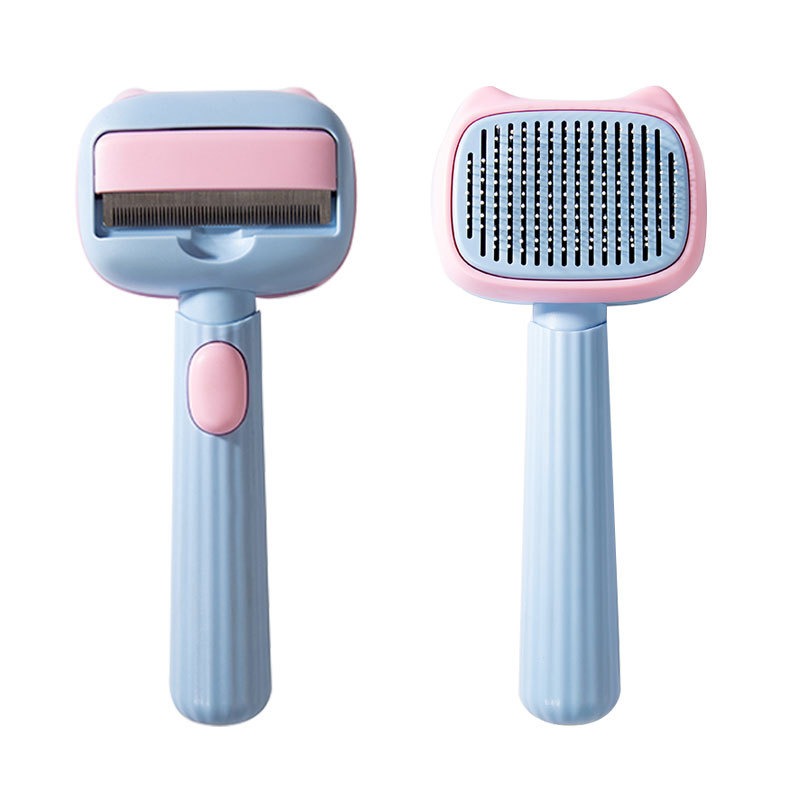
Choosing the right detangling brush can be a game-changer for your hair care routine. It’s not just about aesthetics; it’s about maintaining the health and integrity of your hair. Understanding the relationship between bristle flex and hair type is crucial in making an informed decision that caters to your specific needs.
Identifying Your Hair Type
The first step in your journey is identifying your hair type. Is your hair fine and straight, thick and curly, or somewhere in between?
Fine Hair
Fine hair often requires a brush with softer, flexible bristles that won’t tug or pull, preventing breakage. Look for brushes with:
- Flexible nylon bristles
- Natural bristles
These options glide effortlessly through strands, allowing for gentle detangling. Brands like Tangle Teezer excel in creating brushes designed specifically for fine hair, ensuring a smooth experience without the pain of pulling.
Thick or Curly Hair
On the other hand, if your hair is thick or curly, you’ll need a brush that can handle the density. Opt for brushes with:
- Firmer bristles
- Boar bristle brushes
- A mix of boar and nylon bristles
These provide the necessary strength and flexibility, making it easier to manage stubborn knots while distributing natural oils for added shine. The Wet Brush is a popular choice here, designed to tackle even the most challenging textures with ease.
Understanding Bristle Flex
Consider the flex of the bristles as well. A brush with a lot of flex is perfect for delicate hair types, as it bends and moves with the hair rather than against it. This flexibility helps reduce the risk of breakage and promotes healthier hair.
For thicker textures, a more rigid bristle may be beneficial, allowing you to exert the necessary force to detangle without excessive bending that could lead to ineffective brushing.
Brush Shape and Size
Don’t overlook the importance of the brush’s shape and size. A wide paddle brush can cover more surface area, making it ideal for long, thick hair, while a smaller, round brush might suit shorter styles better. The right size will not only make detangling easier but also more efficient.
Material Matters
Finally, the material of the brush matters. If you frequently style your hair with heat, consider a brush designed to withstand higher temperatures, ensuring longevity and performance. Look for:
- Heat-resistant materials
These will not warp or melt, keeping your investment safe.
Conclusion
Choosing a detangling brush is about understanding your unique hair needs. By considering bristle flex and hair type, you can select a tool that enhances your hair’s beauty and health. Invest in the right brush today, and transform your detangling experience into a luxurious and enjoyable part of your hair care regimen.
Related products
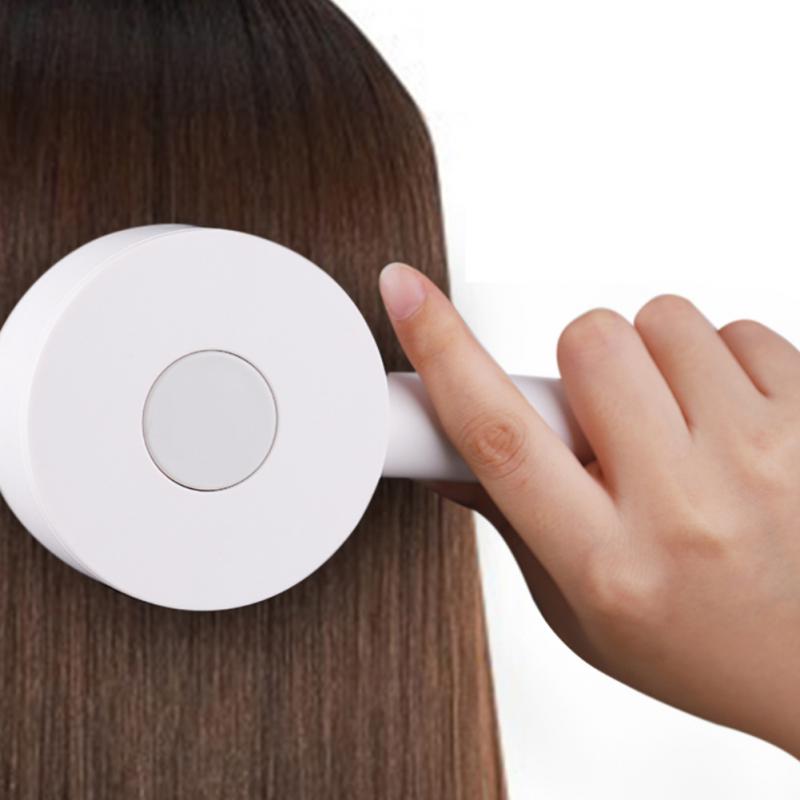
One-Key Self-Cleaning Hair Brush for Women – Curly Hair Anti-Static Airbag Massage Comb & Professional Detangling Scalp Tool
One-Key Self-Cleaning Hair Brush for Women – Curly Hair Detangling Comb with Anti-Static Airbag Massage Features for Professional Scalp Care
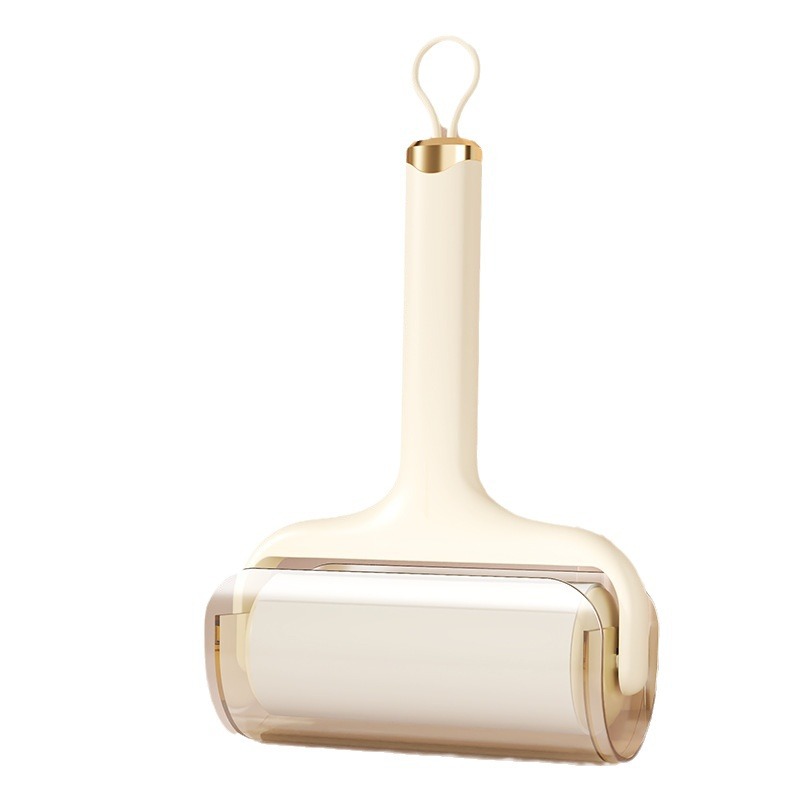
High Viscosity Sticky Hair Roller – Strong Tear Type Replacement Paper Brush for Pet Hair Removal