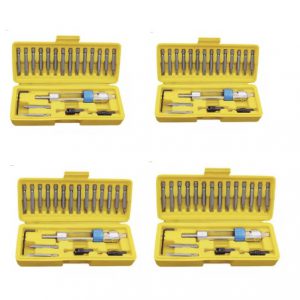
Selecting the right drill bit for tile is a crucial step that can make or break your home improvement project. The beauty of tile lies in its durability and aesthetic appeal, but the wrong drill bit can lead to unsightly cracks and costly repairs. Understanding the nuances of tile drilling is essential to ensure your project runs smoothly and looks professional.
Types of Tile and Corresponding Drill Bits
First and foremost, consider the type of tile you are working with. Ceramic, porcelain, and glass tiles each require different drill bits:
- Ceramic tiles: A carbide-tipped bit is often sufficient. These bits are designed to handle the hardness of ceramic while providing clean holes.
- Porcelain tiles: For denser and tougher porcelain tiles, opt for a diamond-tipped bit. Diamond bits are specifically engineered to cut through the toughest materials, ensuring precision without the risk of cracking.
Choosing the Right Size
Next, pay attention to the size of the drill bit. Choosing the correct diameter is key to achieving the desired hole size without overexerting the material. A smaller bit can be used for pilot holes, allowing you to gradually increase the size without causing stress to the tile. This method not only preserves the integrity of your tile but also enhances your overall drilling accuracy.
Drilling Speed and Technique
Another critical factor is the speed at which you drill. High speeds can generate excessive heat, leading to cracks or chips in your tile. Instead, use a slower speed and apply consistent pressure. This approach allows the bit to do its job effectively without compromising the tile’s surface. Additionally, using water as a coolant can help reduce heat buildup and improve the lifespan of your drill bit.
Stability and Setup
Don’t underestimate the importance of a stable setup. Secure your tile properly before drilling, ensuring it won’t shift or move during the process. Consider the following:
- Using a clamp or a specialized tile holder can provide the stability needed for a clean hole.
- Marking the drilling point with a pencil or tape can guide your bit and prevent slipping, which is a common cause of cracks.
Investing in Quality
Finally, invest in high-quality drill bits. While cheaper options might be tempting, they often lack the durability and precision needed for tile work. Brands that specialize in tile drilling offer products that not only perform better but also last longer, saving you time and money in the long run.
Conclusion
In summary, choosing the right drill bit for tile involves understanding the material, selecting the appropriate size and type of bit, controlling your drilling speed, ensuring a stable setup, and opting for quality products. By following these guidelines, you can drill through tile with confidence, creating beautiful installations without the worry of cracks. Your home deserves the best, so equip yourself with the right tools and techniques to achieve flawless results.
Related products
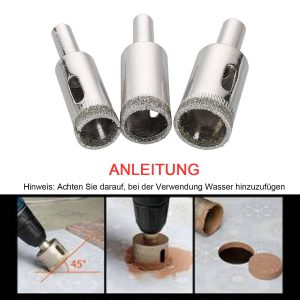
15-Piece Diamond Drill Bit Set for Glass, Stone, and Tile – Sizes 6-50mm
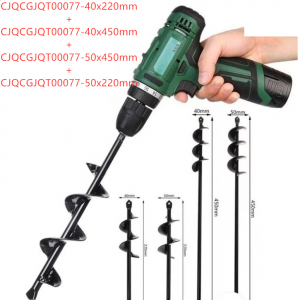
Spiral Loosening Drill Bit – High-Quality Alloy Ground Drill Bit for Precision
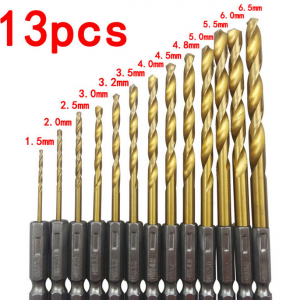
Wind Batch Hex Shank Twist Drill Bit Set – Titanium Plated 6.35mm, 10PC & 13PC Options, High Speed Steel