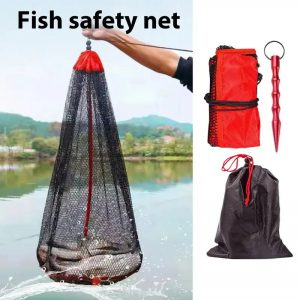
Choosing the right fishing net can significantly enhance your angling experience, whether you’re a seasoned pro or just starting out. The materials used in fishing nets—specifically rubber and nylon mesh—offer different advantages that can impact your catch and your overall enjoyment on the water.
Benefits of Rubber Nets
Rubber nets have gained popularity among anglers for their unique benefits. One of the standout features of rubber mesh is its fish-friendly design. The smooth surface reduces the risk of damaging the fish’s protective slime layer, ensuring a higher survival rate for catch-and-release fishing. This aspect is particularly appealing for conservation-minded anglers who prioritize the health of fish populations.
Additionally, rubber nets are less likely to snag on hooks or other equipment, making them easier to handle when you have a fish on the line.
Durability of Rubber Nets
Another advantage of rubber nets is their durability. Unlike nylon, rubber is resistant to wear and tear from UV exposure and saltwater, which means your investment lasts longer. A rubber net can withstand the rigors of frequent use without losing its integrity, ensuring you have a reliable tool at your side for many fishing seasons to come.
The non-absorbent nature of rubber also means that it dries quickly and doesn’t retain odors, keeping your gear fresh and ready for your next adventure.
Advantages of Nylon Nets
On the other hand, nylon mesh nets have their own set of strengths that make them a favorite among many anglers. One of the key benefits of nylon is its lightweight nature, which can be a crucial factor when you’re out on the water for extended periods. A nylon net is often easier to maneuver, especially when you’re trying to land a larger fish.
Additionally, nylon nets are generally more affordable, making them an accessible option for budget-conscious anglers.
Versatility of Nylon Nets
Nylon nets are also highly versatile. They come in a variety of sizes and designs, allowing you to choose one that best fits your specific fishing needs:
- Fly fishing in a small stream
- Casting from a boat
Plus, many nylon nets are treated to resist mildew and rot, which enhances their longevity when properly cared for.
Choosing Between Rubber and Nylon
When deciding between rubber and nylon, consider the type of fishing you’ll be doing most often. If your focus is on catch-and-release and you want to prioritize fish welfare, a rubber net is your best bet. However, if you’re looking for a lightweight, budget-friendly option that provides versatility, a nylon mesh net may be the way to go.
Final Thoughts
Ultimately, the choice between rubber and nylon mesh nets comes down to personal preference and fishing style. Investing in the right net can elevate your fishing experience, making it more enjoyable and productive. So, take the time to weigh the pros and cons of each material, and choose a fishing net that aligns with your values and enhances your time on the water. Happy fishing!
Related products

Folding Crayfish Catcher Mesh for Fishing Net Tackle Cage – Durable & Effective
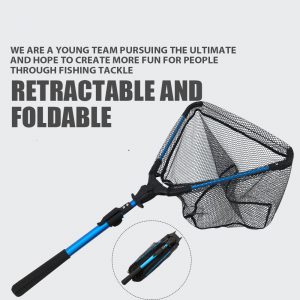
Aluminum Alloy Retractable Triangle Folding Fishing Net for Lure Angling
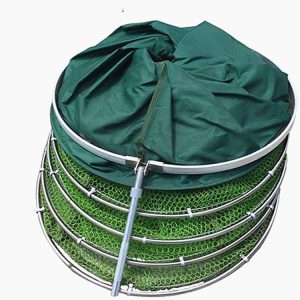
Heavy-Duty Steel Ring Fishing Net Pocket – Glued, Thickened, Quick-Drying, Anti-Hanging