Choosing the right generator can feel like navigating a maze, but understanding wattage and safety basics will guide you to the perfect solution for your power needs. Whether you’re preparing for a camping trip, facing unpredictable weather, or simply want to ensure your home stays powered during outages, selecting the right generator is crucial.
Understanding Wattage
Wattage is the heartbeat of any generator. It determines how much power your generator can supply. To choose wisely, start by calculating your energy needs. Compile a list of the appliances and devices you want to power, noting their wattage requirements. For instance:
- A refrigerator typically requires about 600-800 watts.
- A microwave can demand up to 1,200 watts.
Don’t forget to account for starting wattage, which is often higher than running wattage. This is essential for devices with motors, such as air conditioners or power tools.
Types of Generators
Once you have a clear picture of your wattage needs, consider the different generator types available:
- Portable generators offer flexibility and convenience, perfect for outdoor activities or temporary power solutions.
- Standby generators automatically kick in during outages, providing peace of mind and continuous power for your home.
Both types have distinct advantages, and your choice should align with your lifestyle and power needs.
Safety Considerations
Safety cannot be overlooked in the generator selection process. Generators produce carbon monoxide, a colorless and odorless gas that can be deadly if inhaled. Always prioritize models equipped with safety features like:
- Automatic shut-off systems
- CO detection
Additionally, ensure you have a proper setup for ventilation. Position your generator outdoors and away from windows, doors, and vents to prevent harmful gas from entering your home.
Fuel Options
Investing in a generator also means considering fuel options. Gasoline generators are common, but propane and dual-fuel generators offer versatility and often cleaner operation. Think about your access to fuel and your preferences for storage and maintenance. Each option has its pros and cons, so weigh them against your needs.
Customer Support and Warranty
Finally, don’t underestimate the importance of customer support and warranty. A reliable manufacturer will offer assistance and guidance, ensuring your investment remains protected. Check reviews and seek recommendations to find a brand known for excellent customer service.
Conclusion
Choosing a generator isn’t just about wattage or safety features; it’s about empowering yourself with reliable energy. By understanding your power requirements and prioritizing safety, you can confidently select a generator that meets your needs and enhances your lifestyle. Whether it’s for comfort during a storm or adventure in the great outdoors, the right generator will be your steadfast companion, ready to deliver power when you need it most.
Related products
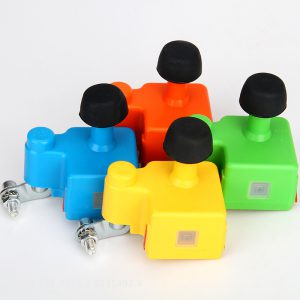
Electric Bicycle Generator – Night Riding Accessories for Enhanced Safety

Dog Car Seat Cover – Mesh Pet Carrier Hammock Safety Protector for Rear Seat with Zipper & Pocket – Ideal for Travel
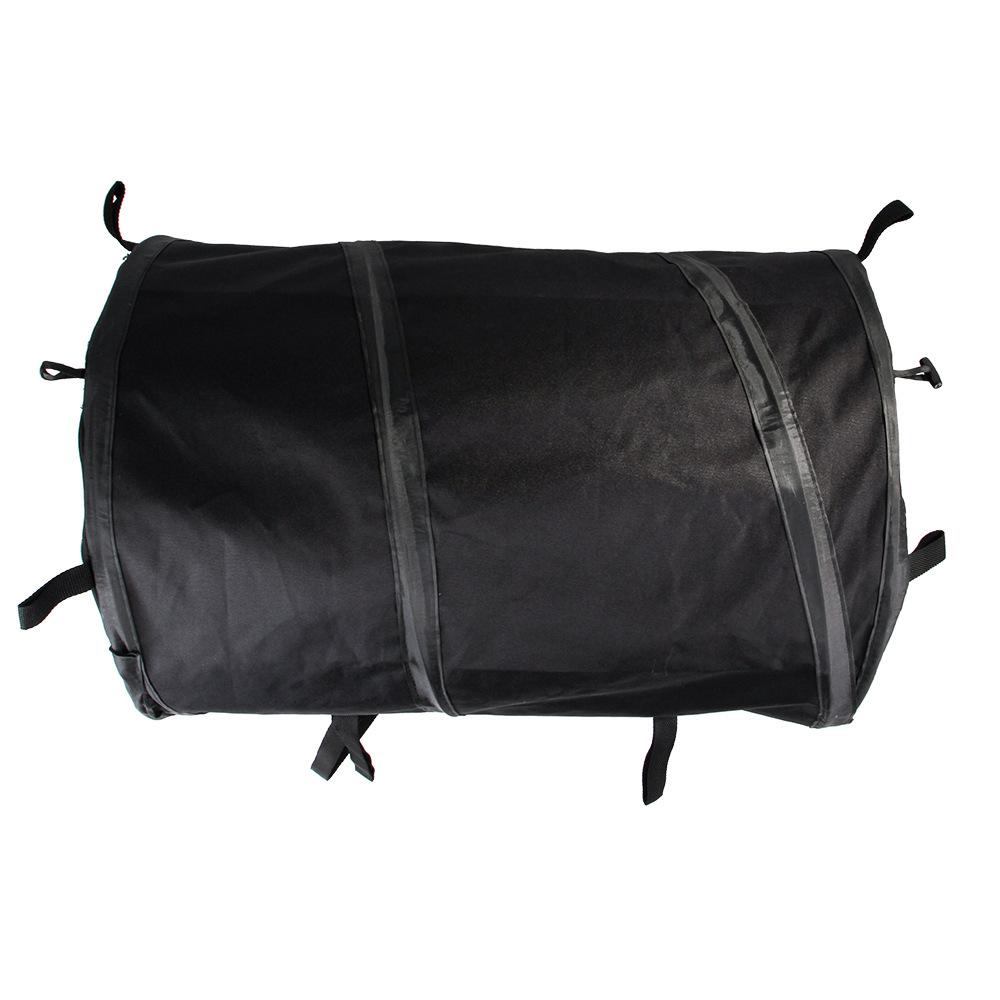
Foldable Backseat Tent for Pets – Automotive Pet Pad for Comfort and Safety