
Selecting the right monitor is crucial for anyone who spends hours in front of a screen, whether for work, gaming, or creative pursuits. Eye comfort and color accuracy are two fundamental aspects that can make or break your experience. Understanding these basics will not only enhance your productivity but also protect your vision.
Eye Comfort
Eye comfort begins with the right display technology. Look for monitors with IPS (In-Plane Switching) panels, which offer wider viewing angles and more consistent color reproduction compared to TN (Twisted Nematic) panels. An IPS monitor reduces the risk of color distortion and ensures that what you see is true to life, making it ideal for graphic design, photo editing, and any task where color fidelity is paramount.
Brightness and Contrast Ratio
Brightness and contrast ratio play significant roles in eye comfort. A monitor with adjustable brightness levels allows you to tailor the screen to your environment, reducing glare and eye strain. Aim for a contrast ratio of at least 1000:1; this ensures that blacks appear deep and whites are bright, enhancing the overall clarity of your visuals. Additionally, features like flicker-free technology and blue light filters can greatly reduce eye fatigue during prolonged use, making your work sessions more enjoyable.
Color Accuracy
Color accuracy is another critical factor. Look for monitors that offer high color gamut coverage, such as:
- sRGB
- Adobe RGB
- DCI-P3
A monitor that covers 100% of the sRGB spectrum is a solid choice for everyday use, while those that reach higher percentages in Adobe RGB or DCI-P3 are perfect for professional photographers and videographers. To ensure the best accuracy, consider monitors that come pre-calibrated or those that allow for user calibration. This means you can trust that the colors you’re seeing on your screen will translate accurately to print or other media.
Resolution
Resolution also impacts both eye comfort and color accuracy. Higher resolutions, such as 4K, provide greater detail, allowing for sharper images and text. This is especially beneficial for graphic designers and video editors who need precision in their work. However, ensure that your graphics card can support higher resolutions to avoid performance issues.
Ergonomic Features
Lastly, don’t overlook ergonomic features. Adjustable stands that allow for height, tilt, and swivel adjustments can help you find the perfect viewing angle, reducing neck strain and promoting better posture. A monitor with a matte finish can also minimize reflections, which can cause distractions and discomfort during long sessions.
Conclusion
Investing time and effort into choosing a monitor that prioritizes eye comfort and color accuracy pays off in the long run. Not only will you enjoy a more enjoyable and productive experience, but you’ll also safeguard your eyes against fatigue and strain. Explore the options available in today’s market, and find the monitor that best aligns with your needs. The right choice will elevate your work and leisure activities to new heights, creating a visual experience that is both stunning and comfortable.
Related products

Universal Pet Bath Towel for Cats and Dogs – Absorbent, Quick-Drying, Multi-Color Cotton Fiber Towel, Thickened for Ultimate Comfort

Cozy Solid Color Autumn and Winter Maltese Pet Nightgown for Comfort
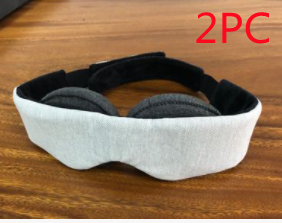
Visor Eye Mask – High-Quality Material Sponge for Ultimate Comfort