
Choosing a yoga mat is more than just picking a color or style; it’s about investing in your health and well-being. As the practice of yoga continues to grow, so does the awareness of the materials that go into the mats we use. A non-toxic yoga mat not only supports your practice but also contributes to a healthier environment. Understanding the materials is key to making an informed choice that aligns with your values and lifestyle.
Materials Matter
When it comes to non-toxic yoga mats, materials play a pivotal role. Look for mats made from:
- Natural Rubber: Derived from the sap of rubber trees, this eco-friendly option is biodegradable and free from harmful chemicals. Natural rubber mats offer excellent grip and cushioning, making them ideal for various yoga styles. They are durable and provide a stable foundation for your poses, allowing you to focus entirely on your practice.
- TPE (Thermoplastic Elastomer): This material is lightweight, highly durable, and free from PVC, toxic chemicals, and heavy metals. TPE mats are designed to be eco-conscious, as they are made from non-toxic materials and are 100% recyclable. Choosing a TPE mat means you’re not only prioritizing your health but also making a positive impact on the planet.
Luxury Materials
For those who prefer a touch of luxury, consider mats made from:
- Cork: Harvested from the bark of cork oak trees, making it a sustainable choice. It has natural antimicrobial properties, ensuring a clean and fresh surface for your practice.
- Jute: A strong, natural fiber that provides excellent traction and durability. Both materials bring a unique texture and earthy aesthetic to your yoga space.
Ethical Manufacturing
Don’t overlook the importance of the manufacturing process. Look for brands that prioritize ethical practices and transparency in their production. Certifications such as OEKO-TEX or Greenguard can provide peace of mind, ensuring that the mat has been tested for harmful substances and meets strict environmental standards. Supporting brands that adhere to these practices not only protects your health but also encourages the industry to move towards more sustainable options.
Choosing the Right Mat
In addition to materials, consider the mat’s thickness and texture:
- A thicker mat can provide extra cushioning for your joints.
- A textured surface can enhance grip.
Ultimately, the best non-toxic yoga mat is one that feels good under your feet and supports your body during practice.
Conclusion
Investing in a non-toxic yoga mat is an investment in your health, the environment, and the future of yoga. By choosing materials wisely, you can elevate your practice while making a positive impact. Explore the options available and find the mat that resonates with your personal journey—because every breath, every pose, and every choice counts. Embrace the power of non-toxic materials and transform your yoga experience today!
Related products
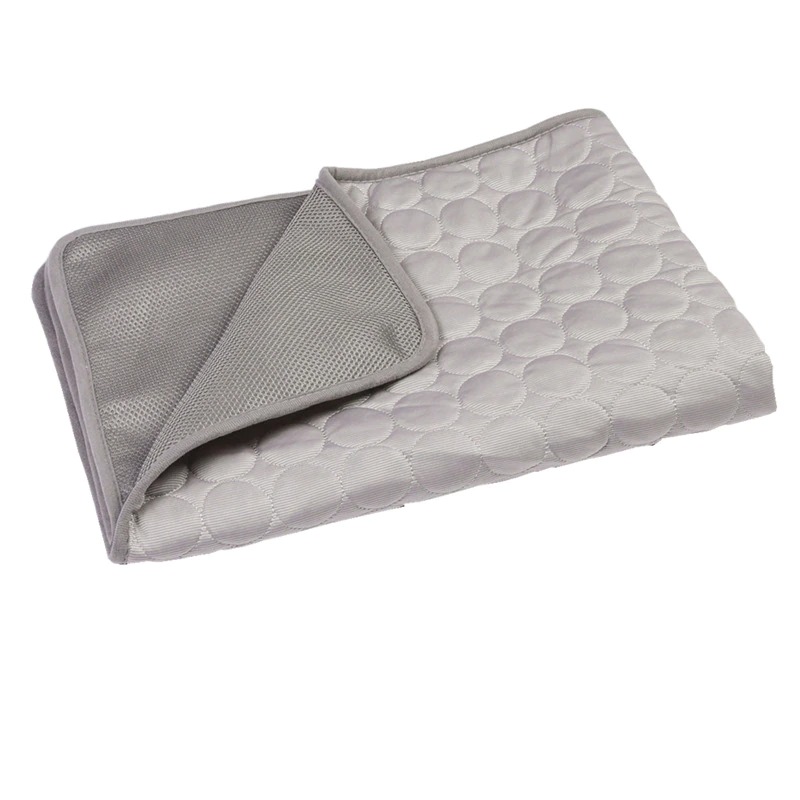
Dog Cooling Mat – Chilly Pad for Pets, Ideal for Kennels, Crates, Cars, Indoor & Outdoor Use, Non-Toxic Ice Silk Cooling Blanket Cushion for Comfortable Sleep & Beach Days
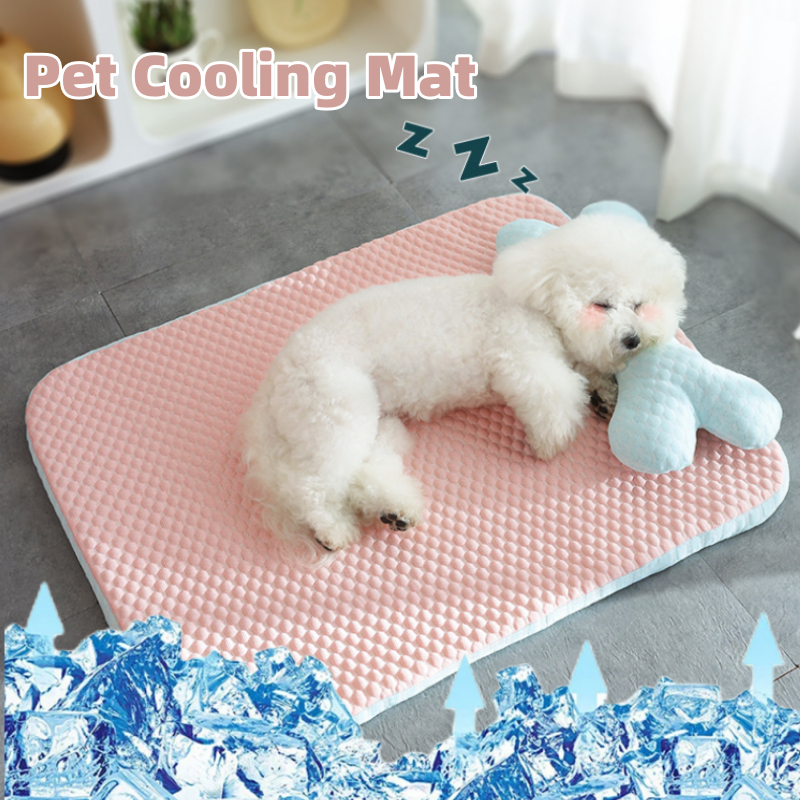
Cooling Dog Bed – Breathable Spring & Summer Sleeping Mat for Small to Medium Dogs and Cats, Soft Non-Slip Kennel, Essential Pet Supplies
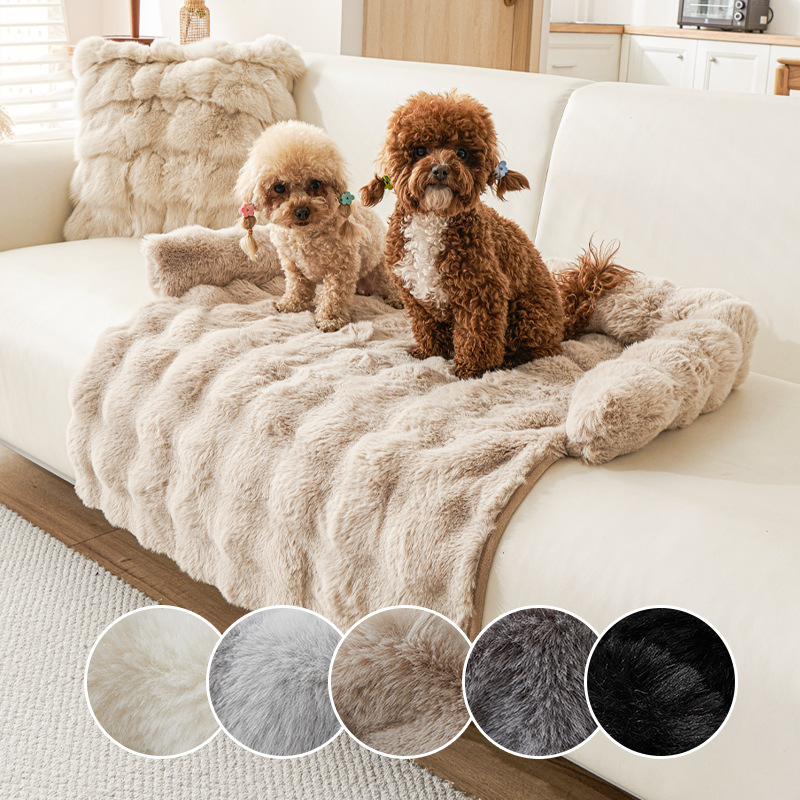
Winter-Ready Non-Slip Dog Mat – Thick Thermal Pet Product for Comfort