Choosing the right planner system can be a game-changer for busy individuals juggling multiple responsibilities. The debate between paper and digital planners is ongoing, with each option offering unique benefits that cater to different needs. Understanding these advantages can help you make an informed decision that enhances your productivity and organization.
Benefits of Paper Planners
Paper planners have a tactile appeal that many find irreplaceable. The act of writing by hand can improve memory retention, making it easier to recall tasks and deadlines. The sensory experience of flipping through pages adds a personal touch that fosters creativity. Imagine:
- Sketching out ideas
- Doodling during a meeting
- Enjoying the satisfaction of crossing off completed tasks
For those who prefer a tangible connection to their planning process, a beautifully designed paper planner can serve not just as a tool, but as a source of inspiration.
Advantages of Digital Planners
On the other hand, digital planners boast unparalleled convenience and flexibility. With the ability to sync across devices, you can access your schedule from anywhere—be it your phone, tablet, or computer. This instant accessibility means no more scrambling for that paper planner buried under a pile of papers. Digital planners often come with features like:
- Reminders
- Recurring tasks
- Integration with other apps
These features streamline your daily workflow. Imagine receiving a gentle nudge on your phone just before a meeting, ensuring you’re always prepared.
Choosing the Right Planner for Your Lifestyle
For busy people, the choice often comes down to lifestyle and preference. If you thrive on routine and find solace in the physical act of writing, a paper planner may be your best ally. However, if your life is a whirlwind of appointments and deadlines, a digital planner might offer the organization you crave without the clutter.
The Hybrid Approach
Consider also the hybrid approach. Many find success in combining both systems, using a digital planner for day-to-day tasks and a paper planner for long-term goals and reflections. This way, you can harness the strengths of each format, tailoring your planning process to fit your unique lifestyle.
Conclusion
In the end, the best planner system for you is one that aligns with your personal workflow, enhances your productivity, and fits seamlessly into your busy life. Whether you choose the warmth of paper or the efficiency of digital, the right planner can transform chaos into clarity, empowering you to conquer your day with confidence.
Related products
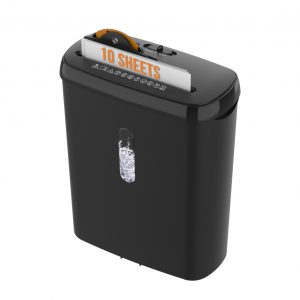
10-Sheet Paper Shredder, P-2 Security Level, 3.17-Gallon Basket, CD & Credit Card Shredding, Fast Anti-Jam System, Durable & ETL Certified for Home Office, FBA Ship
Caddx ADAPTS DJI FPV Digital Video Transmission System for Enhanced Performance
Deformation Cat Bed with Vertical Corrugated Paper – Replaceable Core Grinding Claw Toy for Pets