Choosing the right Pilates ring can significantly elevate your workout experience and enhance the effectiveness of your exercises. With so many options available, understanding how to select the perfect ring based on resistance and grip can make all the difference in achieving your fitness goals.
Understanding Resistance
Resistance is a crucial factor to consider when selecting a Pilates ring. The level of resistance determines how much challenge you will face during your workouts. If you’re a beginner, it’s wise to start with a ring that offers light resistance. This will allow you to master your form and technique without overwhelming your muscles. As you gain strength and confidence, you can progress to rings with medium or heavy resistance. This gradual increase helps build endurance and tone your muscles effectively, making every session more rewarding.
The Importance of Grip
Grip plays a vital role in your comfort and stability during Pilates exercises. A well-designed grip ensures that you can maintain control over the ring throughout your movements. Look for rings with:
- Padded handles
- Textured grips
These features provide a secure hold, which is particularly important when performing exercises that require a firm grip. This allows you to focus on your alignment and technique without the distraction of slipping or discomfort. The right grip not only enhances your performance but also reduces the risk of injury.
Material Considerations
When choosing your Pilates ring, consider the material as well. Many rings are made from durable plastic or metal, each offering different benefits:
- Plastic rings: Lightweight and often more affordable, making them a great option for home workouts.
- Metal rings: Tend to be sturdier and provide a more significant challenge, ideal for advanced practitioners.
Whichever material you choose, ensure it suits your workout environment and personal preferences.
Choosing the Right Size
Don’t forget to think about size as well. Pilates rings typically come in various diameters, ranging from 12 to 15 inches:
- A smaller ring may be ideal for more targeted muscle work.
- A larger ring can offer a broader range of motion for full-body exercises.
Choose a size that aligns with your body type and the specific workouts you plan to incorporate.
Investing in Quality
Finally, investing in a high-quality Pilates ring pays off in the long run. Look for reputable brands that offer warranties or satisfaction guarantees. This not only ensures you’re getting a product that will withstand regular use but also reflects a commitment to your fitness journey. A sturdy, well-crafted Pilates ring can become a staple in your workout routine, providing consistent resistance and support for years to come.
Conclusion
In summary, selecting the right Pilates ring involves careful consideration of resistance, grip, material, and size. By taking these factors into account, you’ll not only enhance your workout efficiency but also enjoy a more fulfilling and effective Pilates experience. Elevate your fitness journey today with the perfect Pilates ring tailored to your needs!
Related products
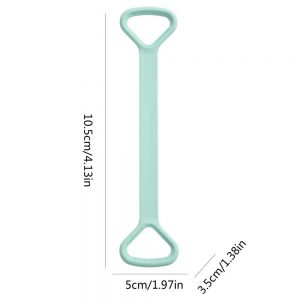
Yoga Fitness Resistance Band – Elastic Ropes for Arm & Back Training, Pure Barre Workout Chest, Arm, and Shoulder Stretch Bands for Yoga, Pilates, Stretching, and Physical Therapy
Yoga Resistance Rubber Bands for Indoor & Outdoor Fitness – 0.35mm-1.1mm Pilates Sport Training Workout Elastic Bands
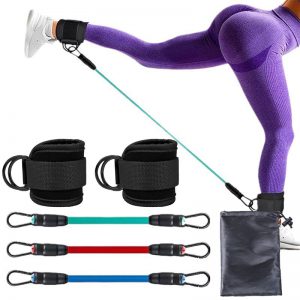
Ankle Strap Resistance Bands for Hip and Leg Strength – Elastic Fitness Pull Rope for Home Yoga, Pilates, CrossFit, and Gym Workouts