
Choosing the right power strip for your tools can be the difference between a smooth project and a frustrating setback. Whether you’re a DIY enthusiast or a professional tradesperson, understanding surge protection and amperage is crucial for keeping your equipment safe and operational.
Surge Protection
Surge protection is your first line of defense against voltage spikes that can damage sensitive tools. Not all power strips are created equal; some offer minimal protection, while others come equipped with advanced technology to absorb excess energy. Look for a power strip with a high joule rating. This number indicates the energy absorption capacity and is a key factor in determining how well your power strip can protect your tools from sudden surges. A model with at least 1,000 joules is recommended for tool usage.
Amperage Considerations
Next, consider the amperage. Every tool has a specific power requirement, often indicated on the tool itself or in the user manual. The total amperage drawn by all connected tools should not exceed the power strip’s rated capacity. A common power strip may have a rating of 15 amps, which is typically suitable for most household tools. However, if you’re using multiple high-draw devices simultaneously, you may want to opt for a power strip with a higher amperage rating. Always double-check the specifications to avoid overloading the strip, which can lead to overheating or even fire hazards.
Portability and Design
Portability and design also play significant roles in your selection process. If you’re constantly moving from job site to job site, consider a compact, lightweight power strip with a durable casing. Some models even come with built-in handles for easy transport. Additionally, features like rotating outlets and USB ports can enhance usability, allowing you to charge multiple devices at once without sacrificing space.
Cord Length
Don’t overlook the importance of cord length. A longer cord can provide flexibility in positioning your tools, but be cautious of overly long cords that may lead to tripping hazards or power loss. Aim for a balance that suits your workspace without compromising safety.
Conclusion
Investing in a quality power strip designed specifically for tools will not only protect your equipment but also improve your overall workflow. With the right surge protection and amperage considerations, you can work confidently, knowing your tools are shielded from unexpected electrical fluctuations.
Make the smart choice today and equip your workspace with a power strip that meets all your needs. Your tools deserve the best, and so do you.
Related products
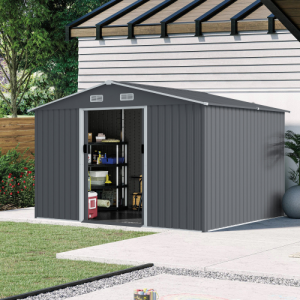
Heavy Duty Outdoor Storage Shed 8 X 10 FT – Large Metal Tool Shed with Sliding Doors and Air Vent for Patio & Lawn Storage of Bikes, Tools, and Lawnmowers – Grey
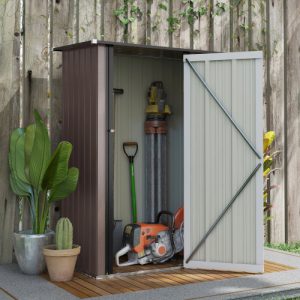
Outsunny 5ft x 3ft Metal Garden Storage Shed – Outdoor Tool Shed with Sloped Roof & Lockable Door for Tools and Equipment, Brown

Effective Blackhead Remover Tools – 15g Blackhead Cream & 40 Pcs Pore Strips