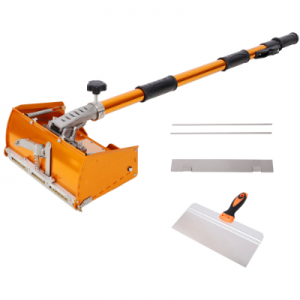
Selecting the right putty knife can make a world of difference in your DIY projects, whether you’re patching up drywall or applying a fresh coat of paint. The choice between flexible and stiff blades isn’t merely a matter of preference; it’s about achieving the best results for your specific task. Let’s dive into the characteristics of each type and help you make an informed decision.
Flexible Putty Knives
Flexible putty knives are designed for versatility and finesse. Their bendable blades allow for smooth application of materials, making them ideal for spreading compounds evenly over surfaces. If your project requires delicate work, such as:
- Filling in small cracks
- Smoothing out seams
A flexible blade is your best friend. This type of knife glides effortlessly, ensuring that you can achieve a flawless finish without leaving behind unsightly marks or uneven patches. Think of it as a painter’s brush—perfect for those intricate details that require a gentle touch.
Stiff Putty Knives
On the flip side, stiff putty knives are the heavyweights of the tool world. If you’re tackling tougher jobs that involve:
- Removing old paint
- Scraping off stubborn adhesives
- Applying heavy-duty materials
A stiff blade provides the strength and rigidity you need. These knives can handle more pressure and are less likely to flex under force, allowing you to chip away at tough surfaces with confidence. For anyone serious about home renovation, a stiff putty knife is an indispensable tool that can save you time and effort.
Choosing the Right Knife for Your Project
Understanding the specific requirements of your project is crucial. If you’re mostly dealing with drywall repairs or applying caulk, a flexible putty knife will serve you well. However, if your work involves heavy scraping or tougher materials, investing in a stiff blade is the way to go. The best approach might even be to have both types in your toolkit, ensuring you’re prepared for any situation that arises.
Blade Width Considerations
When choosing a putty knife, consider the blade width as well. Wider blades are excellent for covering larger areas quickly, while narrower blades can help you reach into tight corners and crevices. Think about the size of your project and select accordingly to maximize efficiency.
Durability Matters
Durability is another factor that cannot be overlooked. Look for putty knives made from high-quality materials that can withstand wear and tear. Stainless steel blades are particularly resistant to rust and corrosion, making them a reliable choice for long-term use.
Conclusion
In conclusion, the battle between flexible and stiff putty knives ultimately comes down to the specific demands of your projects. Equip yourself with the right tools, and you’ll find that your DIY tasks become smoother and more enjoyable. Whether you’re a weekend warrior or a seasoned professional, the right putty knife can elevate your craftsmanship and help you achieve stunning results. Don’t just choose a tool; choose the tool that empowers you to create with confidence.
Related products
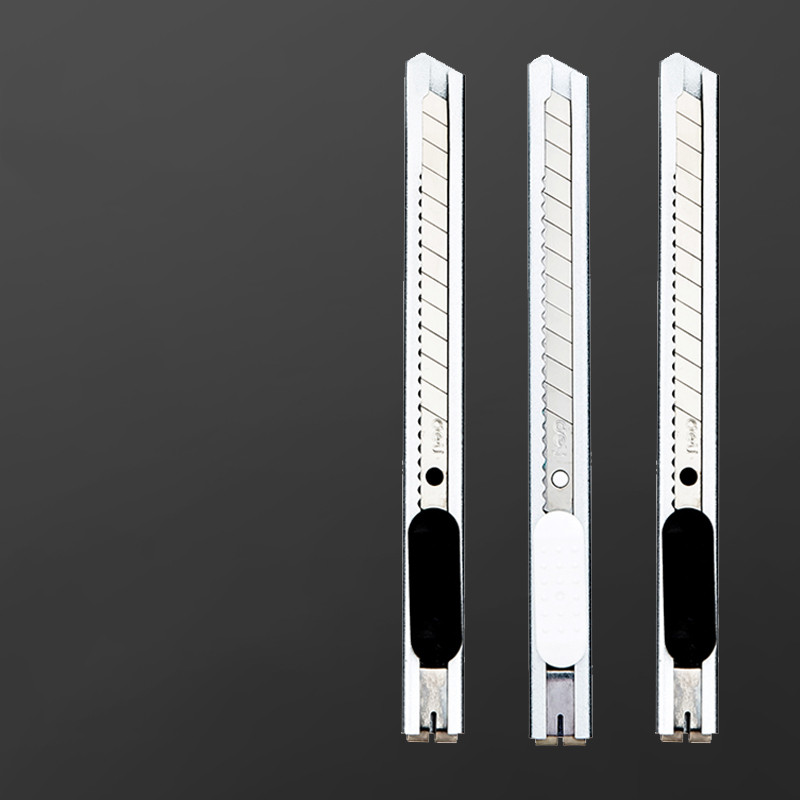
Utility Knife Blades for Art Students – Essential Tools for Creativity
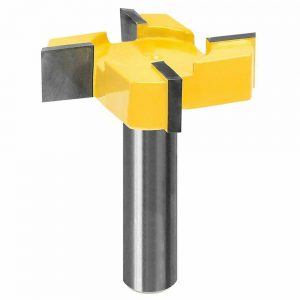
T-Shaped Slotting Knife with Four Blades – Precision Cutting Tool
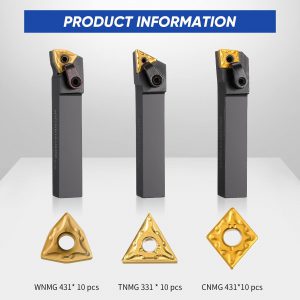
3-Piece Knife Holder Set with 30 Premium Blades for Ultimate Kitchen Efficiency