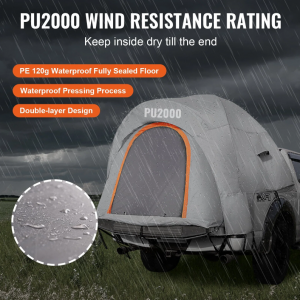
Selecting the right sleeping bag for your tent camping adventure can mean the difference between a restful night under the stars and a long, chilly ordeal. The key to a comfortable experience lies in understanding temperature ratings, which help you choose a bag that matches the climate and conditions of your chosen campsite.
Understanding Temperature Ratings
Temperature ratings typically fall into three categories:
- Summer Bags: Designed for warmer conditions, usually rated above 35°F. They are lightweight and often more breathable, perfect for those balmy nights when you want to feel the gentle breeze. A good summer bag ensures you stay cool without overheating, allowing for a peaceful slumber.
- Three-Season Bags: For most camping situations, a three-season bag is your best bet. Rated between 10°F and 35°F, these versatile sleeping bags are crafted to handle the chill of spring and fall nights, making them the workhorse of outdoor adventures. They are insulated enough to keep you cozy when temperatures drop but not so heavy that they weigh you down on the trail. When choosing a three-season bag, consider your typical camping locales and choose a rating that will cover the lowest temperatures you might encounter.
- Winter Bags: Winter camping enthusiasts need a bag that can withstand the harshest conditions. Winter bags are rated for temperatures below 10°F, featuring thicker insulation and draft collars to trap warmth. If you plan to brave the snow and ice, a well-rated winter bag will be your best friend, ensuring that you wake up refreshed and ready to tackle the day, no matter how frigid the air outside your tent may be.
Personal Factors to Consider
Understanding how temperature ratings work is essential, but personal factors also play a role in your choice. Everyone has a different tolerance to cold, influenced by factors such as metabolism and how well you sleep. Some campers prefer to sleep a bit warmer, while others may find a cooler bag more comfortable. Additionally, layering clothing inside your sleeping bag can affect your experience, so consider your own comfort preferences when selecting the right temperature rating.
Materials and Insulation Types
Don’t overlook the importance of bag materials and insulation types:
- Synthetic Insulation: Dries quickly and retains warmth even when damp, making it an excellent choice for unpredictable weather.
- Down Insulation: While typically more expensive, it offers superior warmth-to-weight ratios and packs down small, making it ideal for backpacking.
Each material has its advantages, so think about the conditions you’ll face and how much weight you’re willing to carry.
Manufacturer Specifications and Reviews
Lastly, always check the manufacturer’s specifications and reviews. Different brands might have slightly varying standards for what constitutes a specific temperature rating, and user feedback can provide insights into real-world performance. A sleeping bag that performs well in the lab might not translate the same way in the wild.
Conclusion
Choosing the right sleeping bag with appropriate temperature ratings can transform your camping experience from uncomfortable to rejuvenating. Don’t leave it to chance—invest in quality gear that matches your adventure needs, ensuring that every night under the stars is a night of comfort and rest. As you gear up for your next trip, remember: a good night’s sleep is just a bag away!
Related products
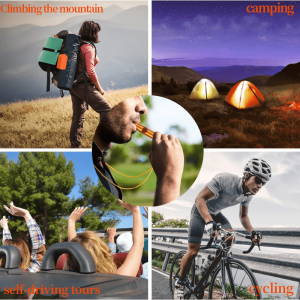
Portable Lightweight Emergency Sleeping Bag & Blanket Tent – Thermal Bivy Sack for Camping, Hiking, and Outdoor Adventures – Windproof, Waterproof Survival Blanket
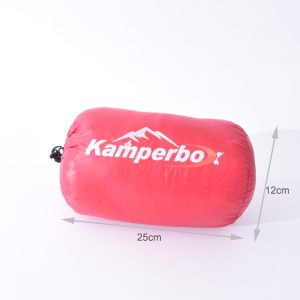
Camping Down Socks and Down Boots for Cozy Sleeping Bag Comfort – Kamperbox Sleep Boots
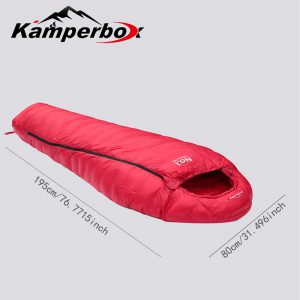
Kamperbox Ultralight Winter Sleeping Bag for Camping – Compact & Warm