Selecting the right tape measure can make a world of difference in any project, whether you’re a professional contractor, a DIY enthusiast, or simply tackling home improvements. Understanding the key features that contribute to standout performance and durability is essential for making a wise choice.
Key Features to Consider
Material
First, consider the material of the tape itself. A high-quality tape measure typically features a blade made of steel, which offers superior durability and resistance to bending. Look for models with a coating that protects against wear and tear, such as nylon or chrome. These coatings not only enhance longevity but also improve visibility, making it easier to read measurements in various lighting conditions.
Width
The width of the tape is another crucial factor. Wider tapes tend to be more stable, reducing the chances of bending or breaking while measuring. A width of 1 inch is ideal for most tasks, providing a balance between portability and ease of use.
Locking Mechanism
Next, think about the locking mechanism. A reliable lock is essential for maintaining accuracy while measuring. Choose a tape measure with a smooth and secure locking system that can withstand repeated use. This feature is particularly important for lengthy measurements, where you need to hold the tape steady without it retracting unexpectedly.
Length
Length is also a consideration. For most residential projects, a 25-foot tape measure is sufficient. However, if you find yourself frequently measuring larger spaces, a 30-foot or even a 35-foot tape might be more beneficial. Remember, a longer tape can also be more cumbersome, so balance your needs with portability.
Standout Features
When it comes to standout features, magnetic tips can be a game changer. A magnetic end allows for hands-free measuring, especially when working with metal studs or other ferrous materials. This convenience not only speeds up your workflow but also enhances accuracy, reducing the likelihood of errors.
Ergonomics
Don’t overlook the importance of ergonomics. A comfortable grip can make all the difference during extended use. Look for a tape measure with a rubberized case that fits securely in your hand, minimizing fatigue and enhancing control. The design should also be rugged enough to withstand drops and bumps on the job site.
Warranty
Finally, consider the warranty. A strong warranty often reflects the manufacturer’s confidence in their product. Choosing a tape measure backed by a solid guarantee gives you peace of mind, knowing that you’re investing in a reliable tool.
Conclusion
In conclusion, selecting the right tape measure involves assessing:
- Material quality
- Tape width
- Locking mechanisms
- Length
- Standout features
- Ergonomics
- Warranty
By focusing on these key aspects, you’ll not only enhance your measuring accuracy but also invest in a tool that stands the test of time. Choose wisely, and let your projects shine with precision!
Related products
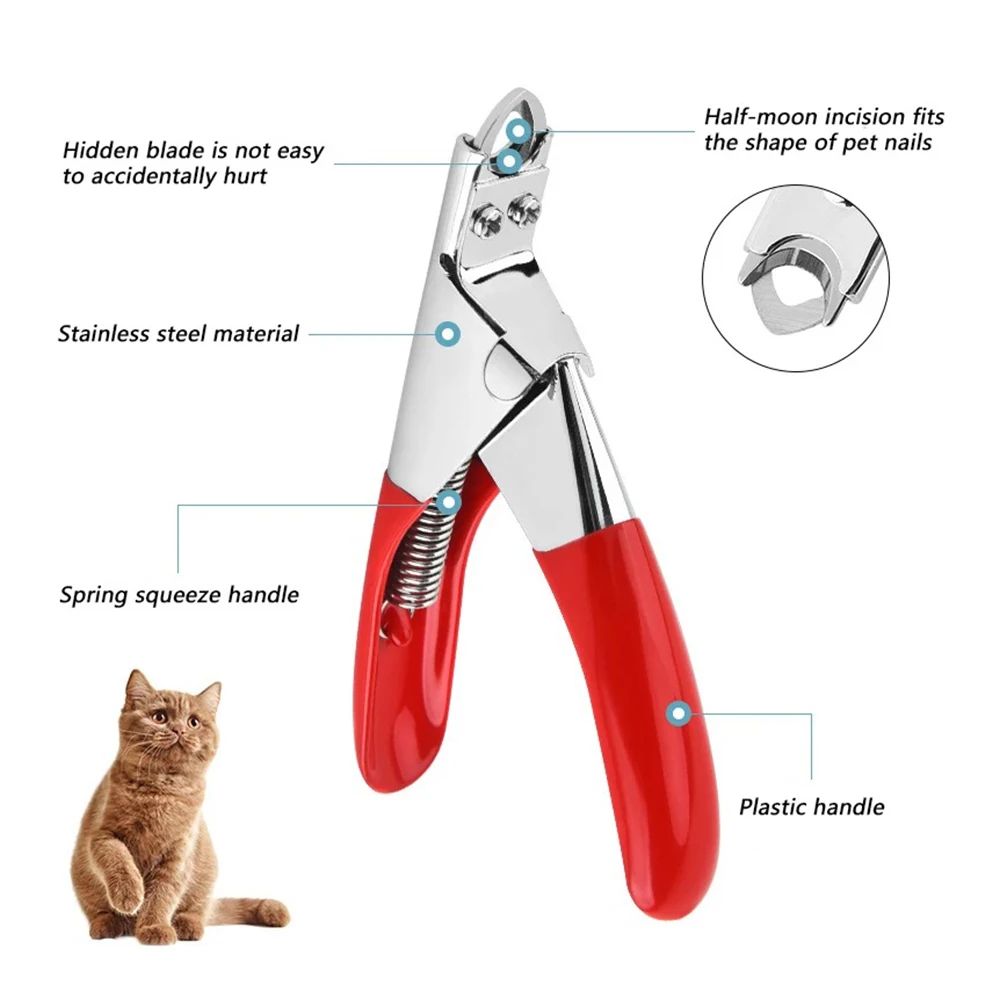
Professional Dog Nail Clippers – Type U Word False Tips, Straight Edge Cutters, and Guillotine Nail Capsule for Perfect Manicure
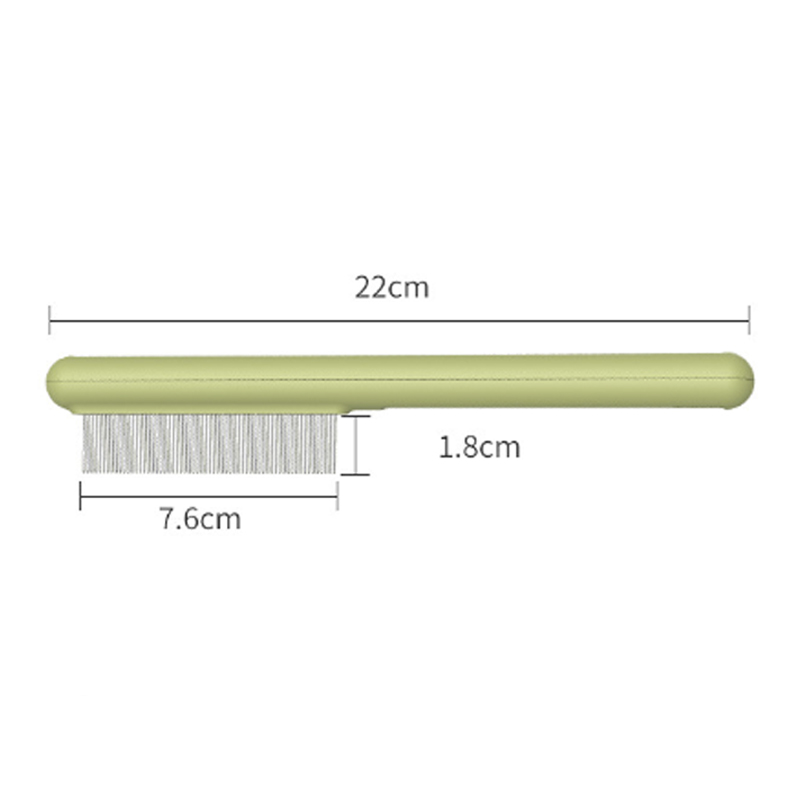
Stainless Steel Cat Comb with Rounded Teeth & Smooth Tips – Pet Massage Tool for Long & Short-Haired Cats, Effectively Removes Loose Hair, Fleas, and Lice
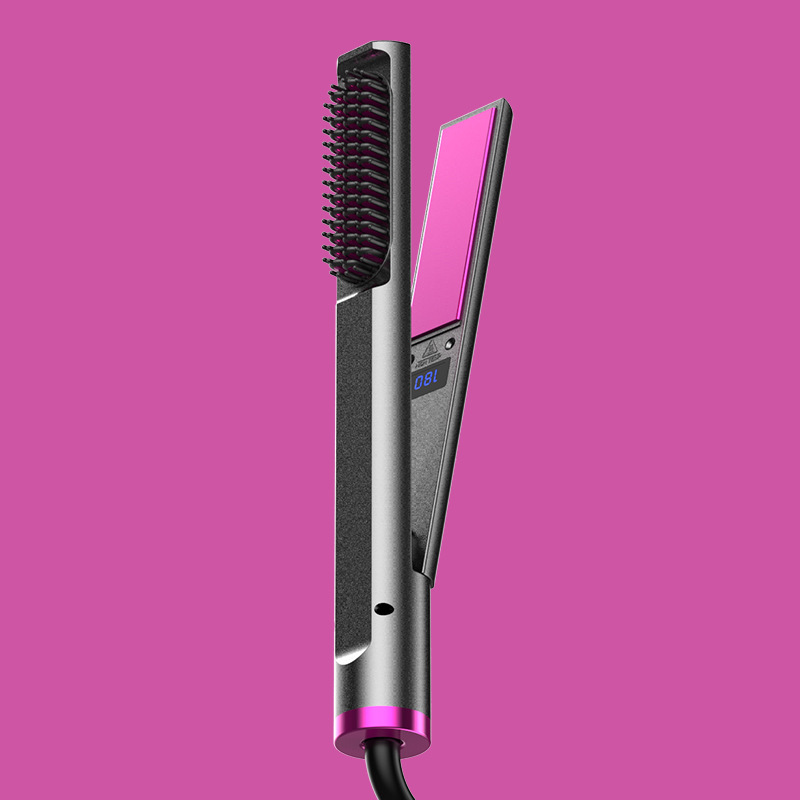
Protect Your Curling Iron: Essential Tips to Avoid Damage