Choosing the right tent for those chilly nights under the stars can mean the difference between a restful sleep and a frigid ordeal. When temperatures drop, ensuring warmth is paramount, and several strategies can help you select the best shelter for your cold-weather adventures.
Insulation Properties
First, consider the tent’s insulation properties. Look for tents designed with materials that provide excellent thermal efficiency. A double-walled tent can trap warmth more effectively than single-wall designs, creating an insulating layer of air between the inner and outer walls. Brands like REI and Big Agnes offer tents specifically engineered for cold weather, boasting features such as heat-retaining fabrics and extra insulation that can keep the chill at bay.
Ventilation
Ventilation is equally important. While it may seem counterintuitive, a well-ventilated tent helps prevent condensation, which can lead to a damp and cold interior. Look for models with adjustable vents that allow you to manage airflow without sacrificing warmth. Tents that incorporate a built-in footprint can also help to insulate the floor, providing an additional barrier against the cold ground.
Tent Shape
Another key factor is the tent’s shape. Geodesic and dome tents are structurally sound and can withstand strong winds, making them ideal for colder climates. Their design helps in minimizing heat loss while maximizing internal space. Brands like MSR and NEMO have excellent offerings in this category, combining aerodynamic shapes with robust materials.
Tent Size
Don’t overlook the importance of the tent’s size. A smaller tent can be easier to heat with body heat, while a larger tent may require additional gear to stay warm. If you’re camping with a group, choose a tent that balances space for comfort with the need for warmth. Opt for a three-season or four-season tent depending on the expected conditions, as they are specifically designed to withstand colder temperatures and harsh weather.
Supplementary Equipment
To further enhance warmth, consider supplementary equipment:
- A high-quality sleeping bag rated for cold temperatures is essential.
- A sleeping pad with good insulation properties.
Many outdoor retailers offer sleeping pads with reflective materials that trap heat, providing extra warmth from the ground. Pairing these with your tent will create a cozy sanctuary even in the coldest weather.
Strategic Camping
Lastly, don’t forget about the benefits of strategic camping. Position your tent in a sheltered area, such as behind a natural windbreak like trees or rocks. This simple step can significantly reduce wind chill and enhance your overall comfort.
Conclusion
Choosing the right tent for cold nights involves a thoughtful approach that includes insulation, ventilation, shape, size, and supportive gear. By investing in quality equipment and considering your camping environment, you can transform your outdoor experience into a warm and enjoyable adventure. Equip yourself wisely, and embrace the beauty of the great outdoors, even when the temperatures dip!
Related products
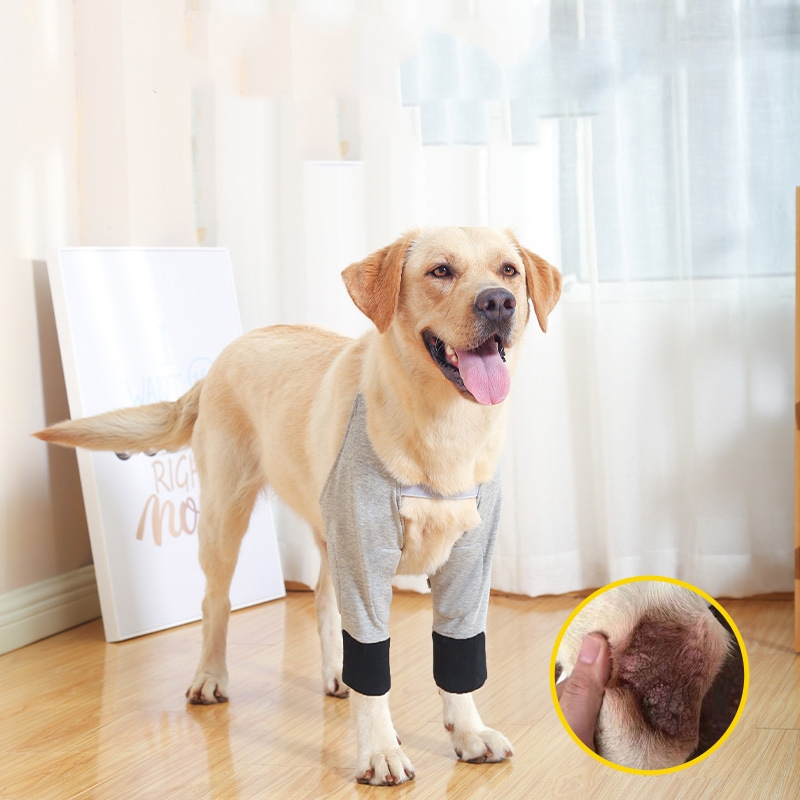
Pet Knee Pads for Ultimate Cold and Warmth Protection – Comfort & Support
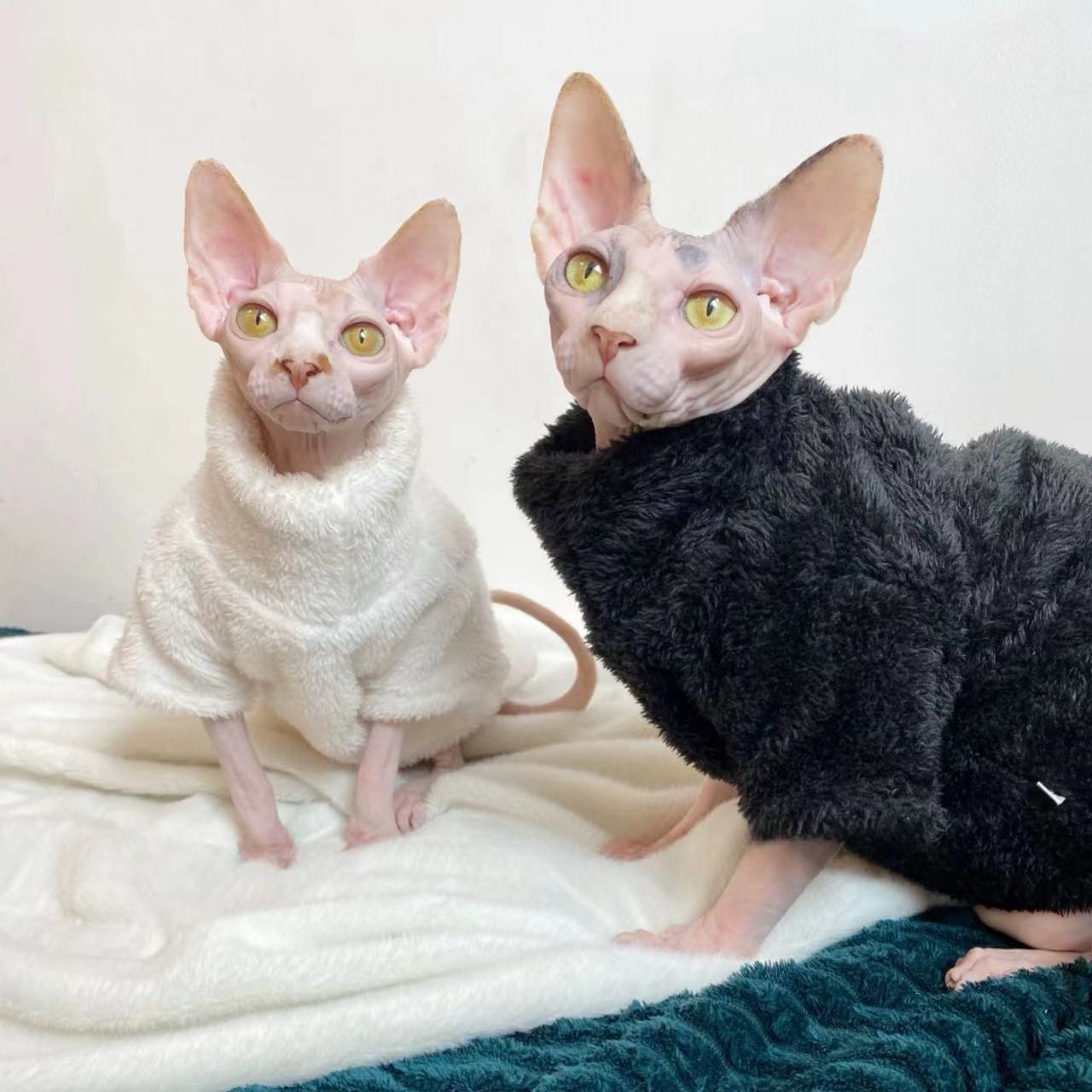
Cozy Winter Pet Clothes for Warmth and Cold Protection – Plush Design

South Moon Ai Cao Eye Protection Patch Box – Late Night Relief for Dry Eyes, Cold Compress & Student Vision Care