
Choosing the right tent for high wind areas can be the difference between a peaceful night under the stars and a harrowing experience of battling nature’s fury. When the winds howl, the type of shelter you seek is crucial. Two of the most popular tent designs are dome and tunnel tents, each offering distinct advantages and disadvantages when it comes to wind resistance.
Dome Tents
Dome tents, with their iconic rounded shape, are designed to deflect wind rather than resist it. The aerodynamic structure allows gusts to flow over the tent, reducing the risk of wind damage. This design typically features a sturdy pole configuration that distributes pressure evenly, making it an excellent choice for high wind conditions.
Many dome tents are also made from durable materials that withstand harsh weather, ensuring you stay dry and secure even in the fiercest storms. If you value a quick setup and want a tent that can handle unpredictable weather, a dome tent may be your best bet.
Tunnel Tents
On the other hand, tunnel tents boast a longer, more streamlined shape that can also be advantageous in windy conditions. They often provide additional living space and headroom, making them ideal for family camping trips or extended stays.
Tunnel tents are anchored securely to the ground, and when staked properly, they can perform admirably in high winds. Their design allows for multiple entrances, which can help reduce wind resistance and improve airflow. If you’re camping in a group or need extra space, a tunnel tent might be the perfect fit.
Making Your Decision
When making your decision, consider the specific environment where you’ll be camping:
- Dome Tents: Excel in dynamic weather conditions where winds can shift rapidly. If your camping destination is known for sudden gusts, opt for a dome tent that can swiftly adapt.
- Tunnel Tents: If you’re planning a longer stay in a relatively stable area, the spaciousness of a tunnel tent might outweigh its slightly higher wind resistance.
Features to Look For
Additionally, look for features that enhance stability, such as:
- Reinforced seams
- Low-profile designs
- Robust guylines
Many high-quality tents come with these features, ensuring that regardless of your choice between dome and tunnel, you’ll have added confidence in your shelter’s ability to withstand the elements.
Conclusion
Ultimately, the choice between a dome and a tunnel tent in high wind areas boils down to your specific needs and preferences. Each type has its merits, and understanding the unique benefits of both can help you make an informed decision. Whether you’re a solo adventurer or part of a larger group, selecting the right tent will ensure your camping experience remains enjoyable, safe, and memorable—even when the winds pick up. Don’t let the weather dictate your adventure; choose wisely and embrace the great outdoors!
Related products
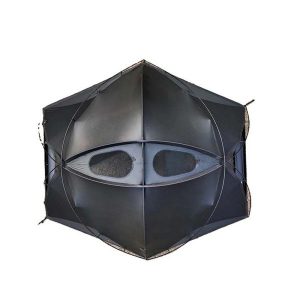
Igloo-Shaped Dome Tent Featuring 2 Top Screen Windows for Optimal Ventilation
Versatile Dome Cat Nest Tent for All Seasons – Perfect for Your Feline Friend

Non-toxic Lace Wig for Women, Soft Natural Brown Blonde High-Temperature Fiber, 13X2.5 Non-adhesive Lace Area, Versatile Style