
Choosing the right tent for humid camping can mean the difference between a refreshing outdoor experience and a soggy nightmare. Humidity can create a breeding ground for mold and mildew, which not only damages your gear but can also pose health risks. Therefore, understanding how to select a tent that minimizes these risks is crucial for any outdoor enthusiast.
Material Selection
Start by looking for tents made from breathable, moisture-wicking materials. Fabrics like nylon or polyester with a water-resistant coating are excellent choices, as they allow moisture to escape while keeping rain at bay. A tent with a high hydrostatic head rating ensures that it can withstand heavy rain without leaking, providing a dry haven even in the most humid conditions.
Tent Design
Consider the design of the tent as well. A model with good ventilation, such as multiple mesh panels or vents, helps promote airflow, reducing the likelihood of condensation buildup inside. Look for tents that have a rainfly designed to extend beyond the tent’s walls, which not only protects from rain but also creates additional airflow. This simple feature can significantly decrease humidity levels inside your tent.
Durable Floor
Investing in a tent with a durable floor is equally important. A tent with a bathtub-style floor design elevates the edges, preventing water from seeping in during unexpected downpours. Choose one with a heavy-duty material that can withstand the rigors of outdoor use, ensuring that your camping experience remains comfortable and dry.
Accessories for Humid Camping
In addition to the tent itself, consider the accessories that can enhance your humid camping experience:
- A high-quality footprint can protect the tent floor from moisture and sharp objects.
- Portable dehumidifiers or moisture absorbers can help keep the air inside your tent dry.
- Utilizing a tent fan can also aid in air circulation, making your camping environment more pleasant and mold-free.
Setup and Maintenance
Don’t overlook the importance of proper setup and maintenance. Choose a location that is elevated and well-drained to avoid pooling water. Always ensure your tent is dry before packing it away, as even a small amount of moisture can lead to mold growth during transport. When you return home, give your tent a thorough cleaning and allow it to dry completely before storing it.
Signs of Mold and Mildew
Finally, familiarize yourself with the signs of mold and mildew. If you notice an unusual odor or see any discoloration, take action immediately. Regular maintenance and cleaning will extend the life of your tent and keep it safe for future adventures.
Conclusion
Choosing the right tent for humid camping is not just about comfort; it’s about ensuring a safe and enjoyable outdoor experience. By focusing on breathable materials, smart design, and proper maintenance, you can prevent mold and mildew from ruining your adventure. Invest in quality gear, and your camping trips will be filled with memories, not mildew!
Related products
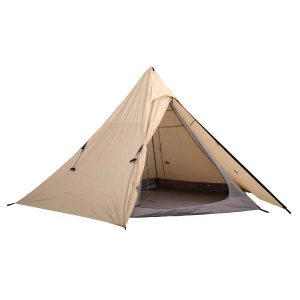
Canvas Glamping Tipi Tent – Luxurious Outdoor Camping Experience
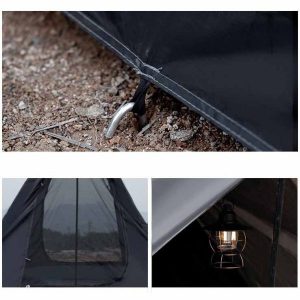
Indian Pyramid Camping Tipi Tent – Ultimate Outdoor Adventure Shelter
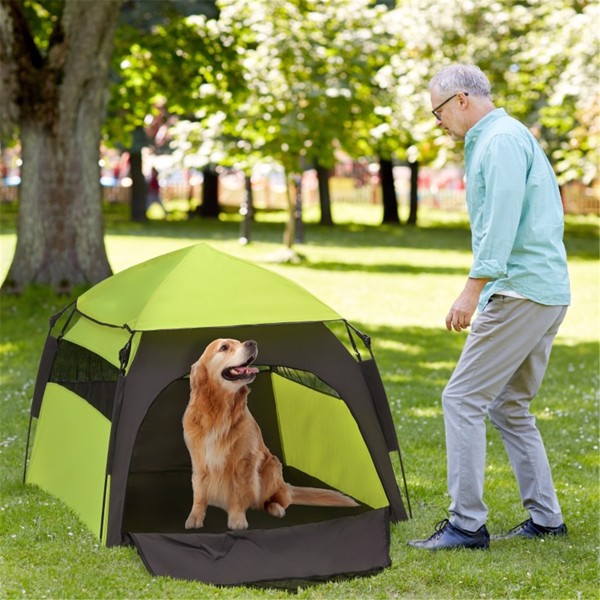
Pet Camping Tent – Amazon Shipping Available, Walmart Restrictions, No Weekend Deliveries