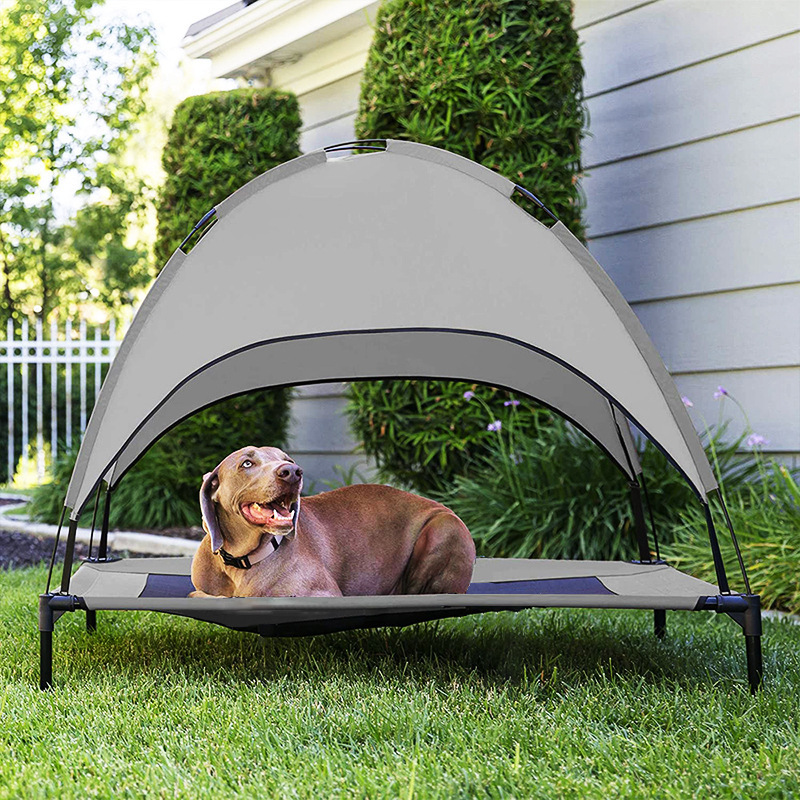
Choosing a tent for stormy weather isn’t just about shelter; it’s about survival. The right tent can make the difference between a harrowing experience and a safe retreat. Whether you’re an avid camper or a casual outdoor enthusiast, ensuring your tent can withstand the elements is paramount. Here’s a safety checklist to guide your decision-making process.
1. Tent Construction Material
First, consider the tent’s construction material. Look for durable fabrics like ripstop nylon or polyester, which are designed to resist tearing and can endure harsh winds. A tent with a waterproof coating, such as silicone or polyurethane, will keep you dry when the rain begins to pour. Remember, a tent that can breathe is just as important; you want to avoid condensation inside your shelter.
2. Tent Design
Next, pay attention to the tent’s design. Geodesic or dome-shaped tents are engineered to handle wind better than traditional A-frame models. Their aerodynamic shapes deflect wind, making them a safer choice in stormy conditions. Additionally, check the tent’s pole material; aluminum poles are typically more robust and less prone to breaking compared to fiberglass poles.
3. Stability
Stability is key during a storm. Ensure your tent comes with ample guy lines and stakes to secure it firmly to the ground. Invest in high-quality stakes that won’t bend or break in strong winds. If you’re camping in an area prone to severe weather, consider adding extra weight to the tent’s base by using rocks or sandbags.
4. Ventilation
Ventilation is crucial, even during storms. A tent with multiple vents allows for air circulation, reducing the buildup of moisture and preventing mildew. Look for features like rain flies that extend beyond the tent’s entrance to keep rain from seeping in while maintaining airflow.
5. Tent Size
When it comes to size, remember that larger tents can be more susceptible to wind damage. Opt for a tent that accommodates your group comfortably but isn’t excessively large. A snug fit will help maintain stability and warmth during inclement weather.
6. Footprint
Lastly, don’t overlook the importance of a reliable footprint. A footprint protects the tent floor from sharp objects and moisture, enhancing its longevity. Choose a footprint that’s slightly smaller than the tent to prevent water pooling underneath.
Conclusion
In conclusion, selecting a tent capable of withstanding storms involves careful consideration of materials, design, stability, ventilation, size, and protective features. With the right tent, you can embrace the thrill of the outdoors, knowing you’re protected against the elements. Equip yourself for adventure and make safety your priority—your next stormy camping trip will be a breeze!
Related products
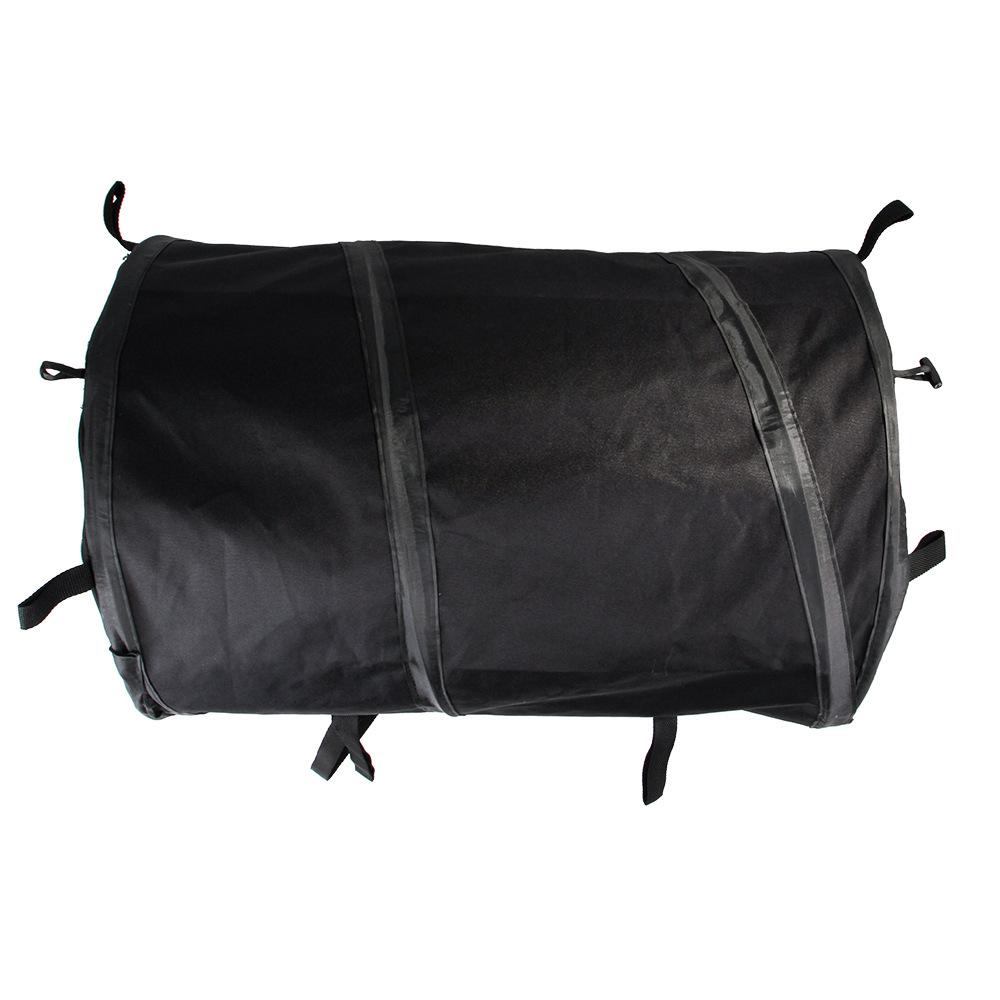
Foldable Backseat Tent for Pets – Automotive Pet Pad for Comfort and Safety

Dog Car Seat Cover – Mesh Pet Carrier Hammock Safety Protector for Rear Seat with Zipper & Pocket – Ideal for Travel
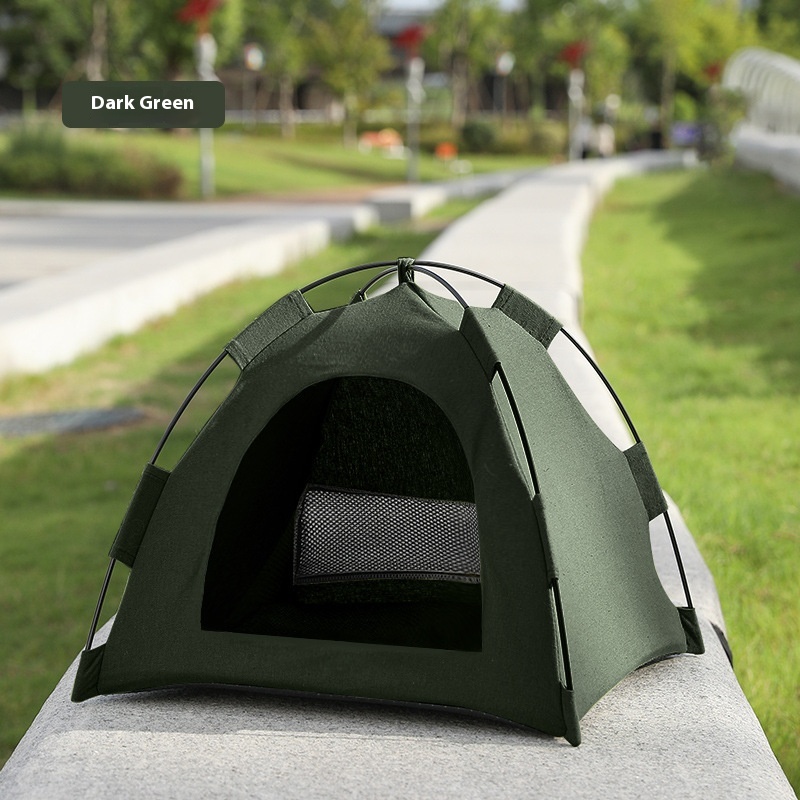
Universal Cat Nest Tent for All Seasons – Cozy & Comfortable Design