Selecting the right tool for grout removal is crucial in preserving the beauty of your tiles while ensuring an effective cleaning process. The wrong choice can lead to unsightly scratches, chips, or even cracks in your flooring or wall surfaces. Here’s a guide to help you make an informed decision and keep your tiles looking pristine.
Understanding Different Types of Grout
First and foremost, consider the type of grout you’re dealing with. Different grouts—whether sanded, unsanded, or epoxy—require specific tools for effective removal.
Sanded Grout
For sanded grout, a manual grout saw or a rotary tool equipped with a grout removal attachment will work wonders.
Unsanded Grout
On the other hand, unsanded grout, being softer, can be tackled with a simple utility knife or a specialized grout scraper.
Epoxy Grout
Epoxy grout, known for its durability, may require more powerful tools like oscillating multi-tools to break through its tough surface without damaging the surrounding tiles.
Evaluating Tools for Precision
When evaluating tools, think about the level of precision you need. If you’re working in tight spaces or intricate tile patterns, a handheld grout removal tool offers control and finesse that larger machines simply can’t provide. Electric tools, while efficient, can be cumbersome in delicate areas. A balanced approach, using both manual and electric options, may be the best strategy for comprehensive grout removal.
Comfort and Ease of Use
Another critical factor is comfort and ease of use. Look for tools with ergonomic designs that fit comfortably in your hand, reducing fatigue during lengthy projects. Vibration-dampening features can also make a significant difference when using power tools, helping you maintain control and accuracy.
Safety Considerations
Don’t overlook the importance of safety. Always wear protective eyewear and a dust mask to shield yourself from debris and dust generated during grout removal. Some power tools produce a lot of dust, so investing in a vacuum attachment can keep your workspace clean and safe.
Cost and Investment
Cost is another consideration, but remember that investing in a high-quality tool can save you money in the long run. Cheaper options might seem appealing, but they often lack durability and efficiency, leading to potential tile damage and the need for replacements or repairs. Consider tools that come with warranties or satisfaction guarantees, ensuring you’re making a smart investment.
Gathering Insights
Lastly, read reviews and seek recommendations from fellow DIY enthusiasts or professionals. Their insights can guide you toward tools that have proven effective in real-world applications, helping you avoid costly mistakes.
Conclusion
In summary, choosing the right tool for grout removal is essential for protecting your tiles while achieving a clean, fresh look. By assessing the type of grout, ensuring precision, prioritizing comfort and safety, and making informed purchasing decisions, you can tackle this project with confidence. Preserve the beauty of your tiled surfaces and enjoy the satisfaction of a job well done.
Related products
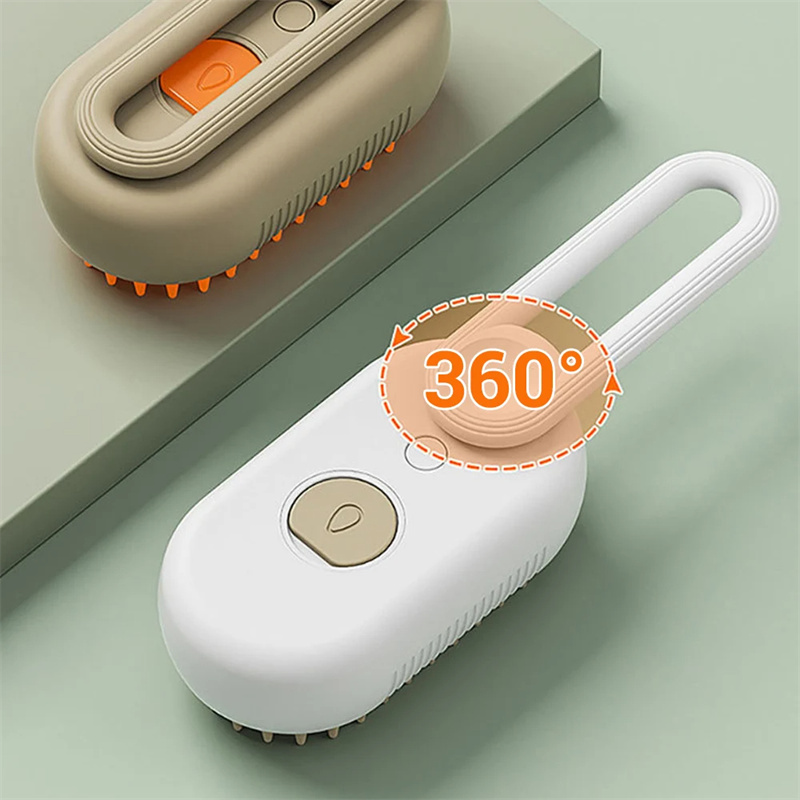
3-in-1 Cat Steam Brush & Steamy Dog Brush – Electric Spray Grooming Tool for Pet Hair Removal & Massage
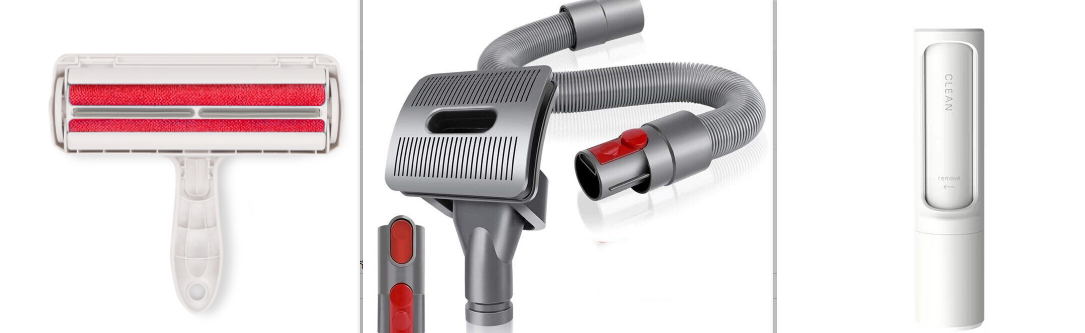
2-in-1 Reusable Pet Hair Remover Brush & Lint Roller – Portable, Effective Self-Cleaning Tool for Cat and Dog Fur & Dust Removal
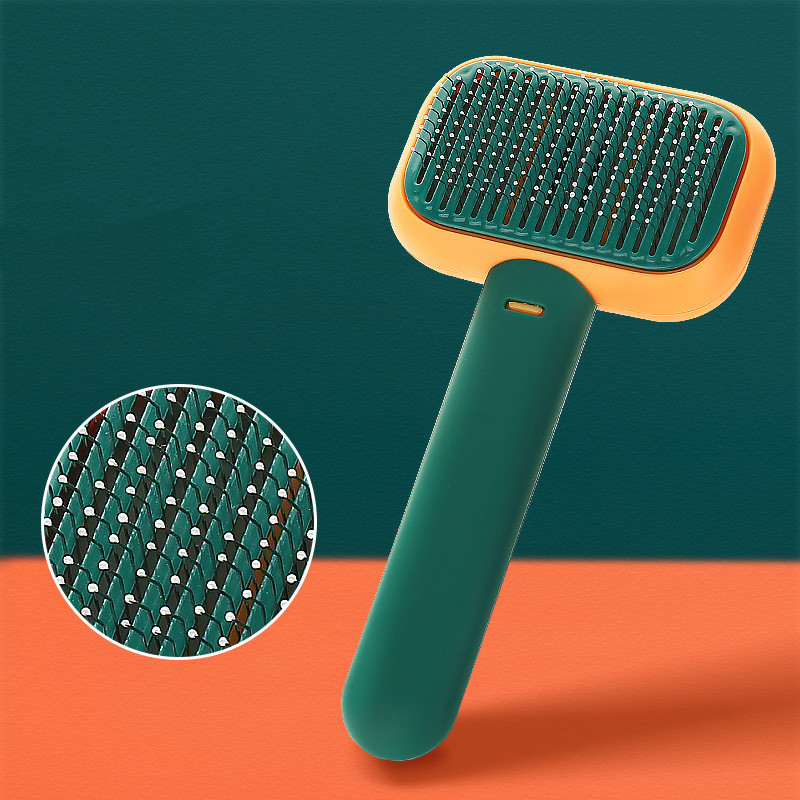
Ultimate Pet Grooming Tool: Stainless Steel Cat & Dog Hair Brush for Massage & Knot Removal