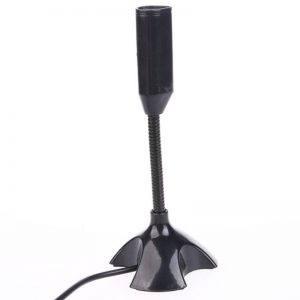
Choosing the right USB microphone can transform your audio quality from mundane to magnificent. Whether you’re a budding podcaster, an aspiring musician, or someone who simply wants to elevate their video calls, understanding microphone polar patterns and noise handling capabilities is crucial for making an informed decision.
Microphone Polar Patterns
Microphone polar patterns dictate how sound is captured. The most common patterns include:
- Cardioid: Shaped like a heart, excels at picking up sound directly in front while minimizing noise from the sides and rear. This makes it perfect for solo performances, voiceovers, or podcasting, where clarity and focus are paramount.
- Omnidirectional: Picks up sound from all directions. Ideal for group discussions or capturing ambient sounds, but background noise can seep in.
- Bidirectional: Captures sound from the front and back, making it perfect for interviews or duets. This pattern allows both speakers to be recorded clearly while minimizing side noise.
Choosing the Right Pattern
If you’re recording in a noisy environment, a cardioid microphone can be your best friend, allowing you to concentrate on your voice while filtering out unwanted distractions. On the other hand, if you want to capture the rich, full sound of a room or multiple voices, an omnidirectional mic is a solid choice. However, if your recording space isn’t acoustically treated, be cautious, as you may end up with unwanted noise that detracts from your audio quality.
Noise Handling Capabilities
Noise handling is another critical factor when selecting a USB microphone. Some microphones come equipped with built-in noise-canceling features that filter out background sounds, providing a cleaner audio signal. If you find yourself recording in environments with lots of ambient noise—like a bustling coffee shop or a busy household—investing in a microphone with advanced noise handling capabilities can make a significant difference.
Additional Considerations
In addition to polar patterns and noise handling, consider the following factors:
- Build Quality: A sturdy microphone will withstand the rigors of frequent use.
- Frequency Response: A broad frequency response will ensure that your recordings capture the full spectrum of sound.
- Additional Features: Look for features like pop filters or shock mounts that can enhance your recording experience.
Conclusion
Ultimately, the best USB microphone for you will depend on your specific needs and recording environment. By understanding the different polar patterns and noise handling capabilities, you can select a microphone that not only meets your technical requirements but also enhances your creative output. Elevate your audio game today—your listeners will thank you!
Related products
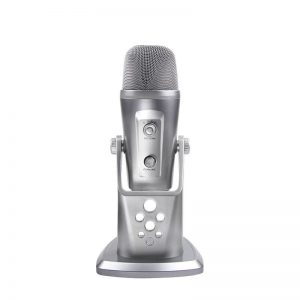
USB Microphone for High-Quality Recording – Perfect for Podcasts and Streaming
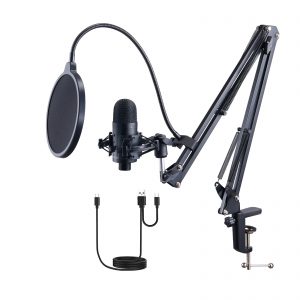
VEVOR USB Microphone Kit – 192kHz/24-bit Professional Condenser Mic with Boom Arm, Pop Filter, Shock Mount, Mute Button, and Headphones Jack for Podcasting, Gaming, Singing, and Streaming
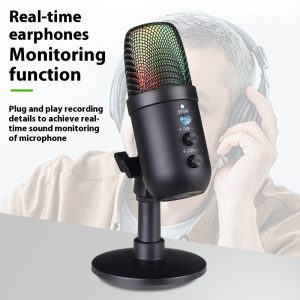
USB Microphone with RGB Lighting for Mobile Phones, Computers, Live Karaoke & E-sports Gaming