Choosing the right utility knife can make all the difference in your crafting, construction, or DIY projects. A utility knife is more than just a tool; it’s your partner in precision and efficiency. Whether you’re cutting through cardboard, trimming materials, or tackling intricate tasks, understanding the blade types and safety features is crucial for optimal performance and protection.
Blade Types
First, let’s explore the variety of blade types available:
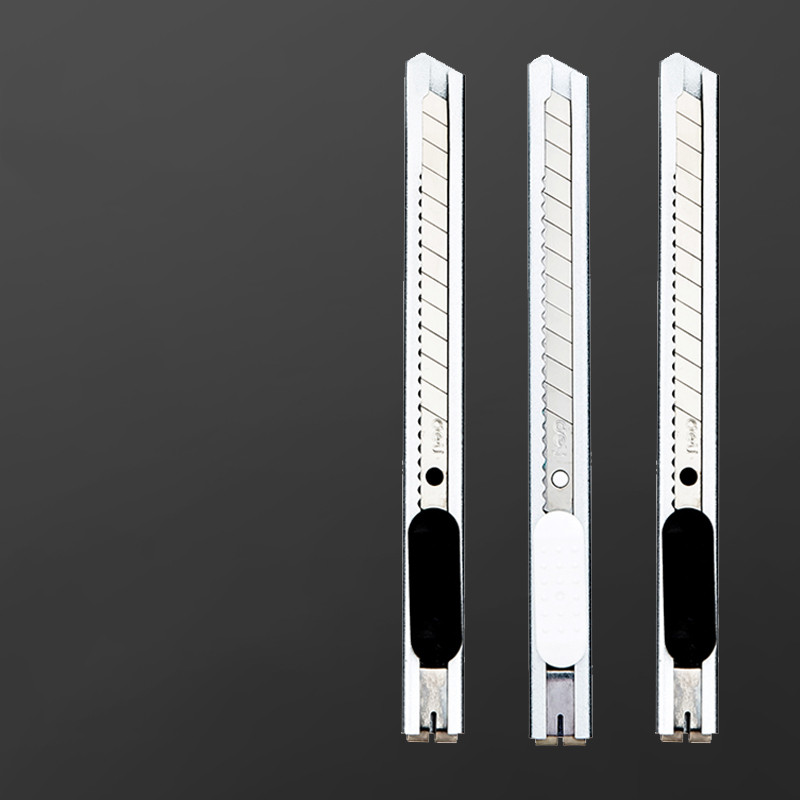
- Retractable blades are a popular choice for their convenience and safety. With the simple push of a button, you can extend or retract the blade, minimizing the risk of accidental cuts when the knife is not in use.
- Fixed blades provide durability and strength, ideal for heavy-duty tasks. These blades are typically sharper and can handle tougher materials without bending or breaking.
- Snap-off blades allow you to snap off the worn section of the blade, exposing a fresh edge without needing to replace the entire blade. This not only saves time but also enhances productivity—no more fumbling around for new blades when you can simply renew your current one.
Safety Features
When it comes to safety, features such as anti-slip grips and blade guards are essential. A knife that feels secure in your hand can prevent accidents and improve your cutting accuracy. Look for utility knives with ergonomic designs that fit comfortably and reduce fatigue during extended use. Additionally, a blade lock mechanism ensures that your blade stays in place while cutting, giving you confidence as you work.
Material Considerations
Consider the materials you will be cutting:
- If you frequently work with tougher materials, opt for high-carbon steel blades that offer superior sharpness and longevity.
- Stainless steel blades are excellent for general use and resist corrosion, making them a versatile choice for various tasks.
Safety Tips
Safety should never be an afterthought. Always use a utility knife with a safety cap or retractable feature when storing it. Invest in a cut-resistant glove for added protection while handling the knife. Remember to:
- Cut away from your body.
- Keep your fingers clear of the cutting path to prevent injuries.
- Keep your workspace organized; a clutter-free area minimizes distractions and accidents.
Conclusion
In summary, choosing the right utility knife involves understanding the different blade types and prioritizing safety features. A well-chosen utility knife can enhance your efficiency, improve the quality of your work, and ensure your safety throughout your projects. Don’t settle for just any knife; invest in one that suits your specific needs and enhances your craftsmanship. Equip yourself with the right tools, and watch your projects come to life with precision and ease.