Choosing a waterproof tent can feel overwhelming, especially with the myriad of options and technical jargon available. Your outdoor adventures deserve the best protection against the elements, and understanding tent ratings is crucial in making an informed decision. Let’s dive deep into what those ratings really mean, so you can confidently select a tent that will keep you dry and comfortable on your next camping trip.
Understanding Waterproof Ratings
First, it’s essential to understand the basic waterproof ratings measured in millimeters (mm). The higher the number, the more water pressure the tent fabric can withstand before leaking. For instance, a tent rated at 1,000 mm can handle light rain, while a rating of 3,000 mm or more is ideal for heavy downpours. However, don’t just stop at numbers; consider the type of camping you plan to do:
- If you’re venturing into a rain-soaked forest or high-altitude environments, opting for a tent with a higher waterproof rating is a wise choice.
Construction Quality
Another critical aspect is the tent’s construction quality. Look for features such as:
- Sealed seams
- Waterproof coatings
Tents that employ a polyurethane (PU) coating or silicone treatments will offer better resistance against water intrusion. These materials not only enhance waterproofing but also improve durability, ensuring your investment stands the test of time.
Importance of Ventilation
Ventilation plays a significant role in your tent’s performance, especially in wet conditions. A well-ventilated tent reduces condensation buildup, which can be a major issue when camping in humid environments. Look for models that include:
- Mesh panels
- Adjustable vents
This balance will keep the interior comfortable, reducing the chances of waking up to a damp sleeping bag.
Weight and Portability
Consider the weight and portability of your tent as well. If you’re backpacking, a lightweight tent with a high waterproof rating is essential. Brands like Big Agnes and MSR offer excellent options that combine both waterproofing and lightweight design, ensuring you don’t have to sacrifice comfort for convenience.
User Reviews and Recommendations
When browsing for the perfect tent, don’t forget to check user reviews and expert recommendations. Real-world experiences provide invaluable insights that ratings alone cannot. Customers often highlight how well a tent performs during unexpected weather, helping you gauge its reliability before making a purchase.
Seasonality of Your Tent
Lastly, think about the seasonality of your tent. 3-season tents are designed for spring, summer, and fall, while 4-season tents can handle harsh winter conditions. If you plan to camp year-round, investing in a 4-season tent with robust waterproof features will offer peace of mind in unpredictable weather.
Conclusion
In summary, selecting the right waterproof tent is about understanding the ratings, construction quality, ventilation, portability, and user feedback. Equip yourself with this knowledge, and you’ll be well on your way to choosing a tent that not only meets but exceeds your expectations. Don’t let the rain dampen your adventure—find the perfect waterproof tent and embrace the great outdoors with confidence!
Related products
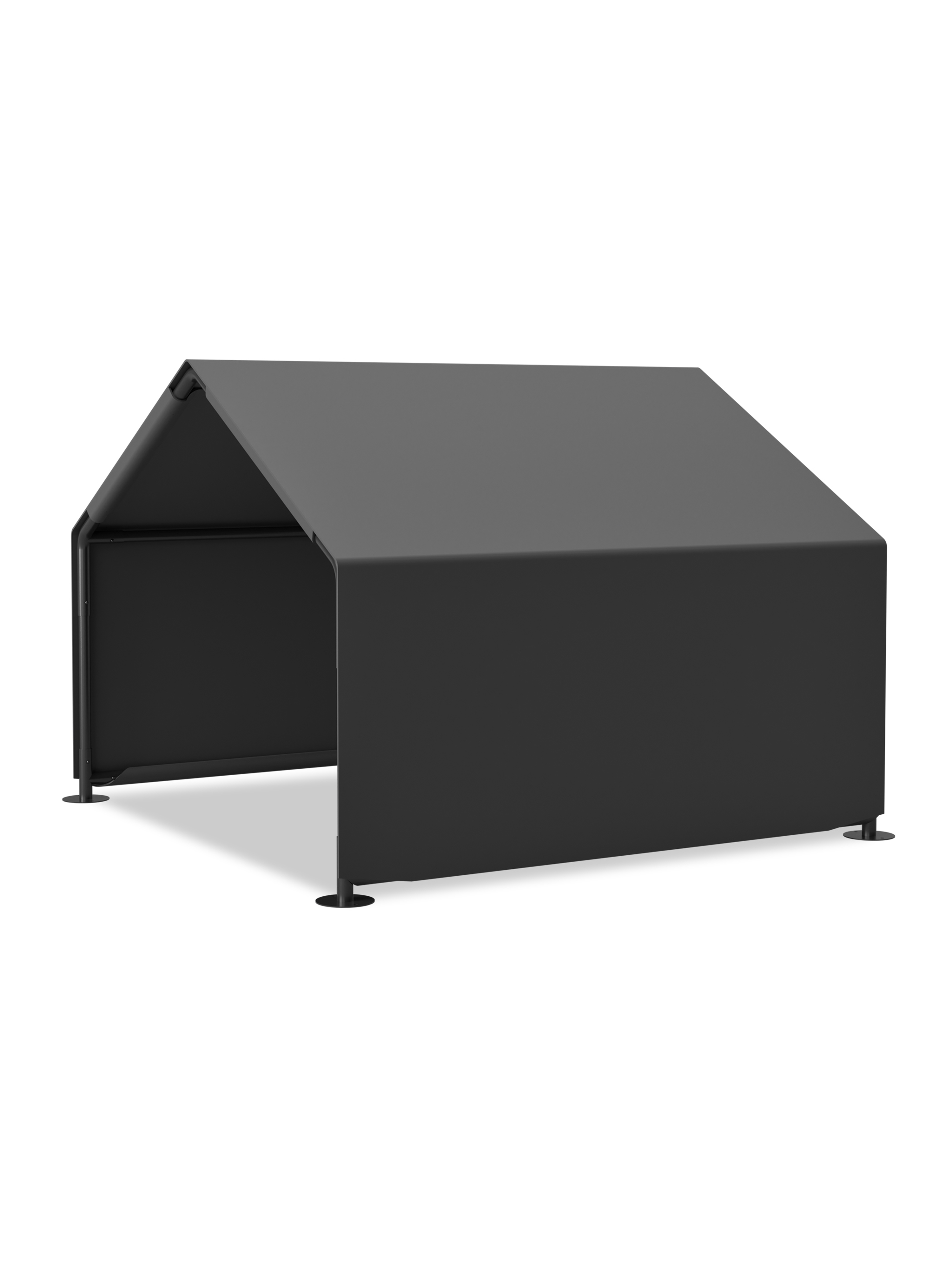
Dog Shade Shelter Outdoor Tent for Small to Medium Dogs – Waterproof Sun Protection Pet House for Dogs, Small Animals, and Livestock
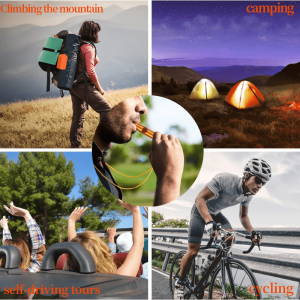
Portable Lightweight Emergency Sleeping Bag & Blanket Tent – Thermal Bivy Sack for Camping, Hiking, and Outdoor Adventures – Windproof, Waterproof Survival Blanket
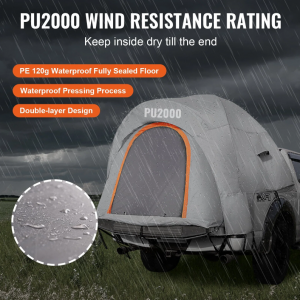
Truck Bed Tent for 5.5′-6′ Pickup Trucks – Waterproof PU2000mm Double Layer with Rain Layer & Carry Bag, Ideal for Camping, Accommodates 2-3 People for Outdoor Adventures