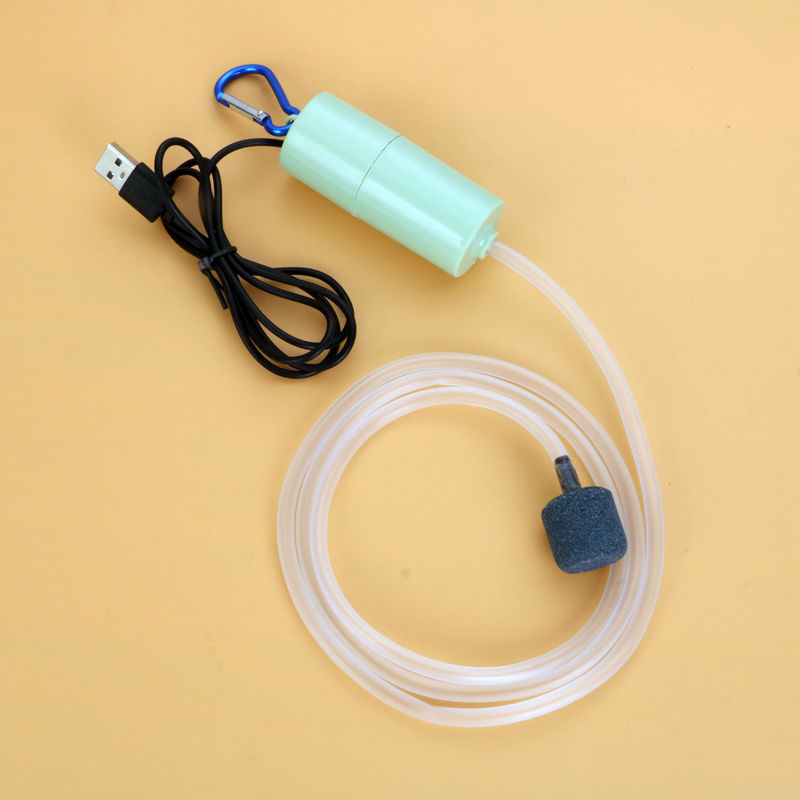
Selecting the right air compressor can significantly impact your project’s efficiency and quality. Whether you’re a DIY enthusiast or a professional contractor, understanding the key specifications—PSI, CFM, and tank size—is essential for making an informed choice. Let’s dive into these critical factors to help you find the perfect air compressor tailored to your needs.
Understanding Key Specifications
PSI (Pounds Per Square Inch)
First up is PSI, or pounds per square inch. This measurement indicates the pressure level that the compressor can deliver. Different tools and applications require varying PSI levels; for example:
- An airbrush might only need around 20 PSI.
- Pneumatic nail guns often require 90 PSI or more.
Assess the tools you plan to use. Choosing a compressor with a higher PSI than you need is a smart move to ensure versatility for future projects.
CFM (Cubic Feet Per Minute)
Next, let’s talk about CFM, or cubic feet per minute. This figure represents the airflow the compressor can provide. Tools like spray guns or sanders typically demand a higher CFM to operate effectively. When selecting an air compressor, consider the CFM rating of your tools and look for a model that meets or exceeds this requirement. A compressor that can deliver the necessary CFM will allow you to work continuously without interruptions, enhancing productivity and saving you time.
Tank Size
Tank size is another crucial element to consider. The tank holds the compressed air, and its size can impact how long your tools can run before the compressor needs to refill. Here’s a quick overview:
- Smaller tanks (around 1-6 gallons) are portable and suitable for light tasks.
- Larger tanks (6-30 gallons or more) can support heavier usage and longer runtimes.
If you plan on using multiple tools simultaneously or for extended periods, a larger tank will be your best friend, providing a steady supply of air without constant cycling.
Matching Specifications with Your Needs
Now that you understand PSI, CFM, and tank size, the next step is to match these specifications with your specific requirements. Don’t hesitate to explore various brands and models, as they may offer unique features like:
- Portability
- Noise levels
- Energy efficiency
Some compressors come equipped with additional accessories, such as hoses and fittings, which can enhance your overall experience and save you from making extra purchases.
Conclusion
Choosing the right air compressor isn’t just about numbers; it’s about investing in a tool that will elevate your projects. Imagine the satisfaction of completing tasks efficiently, with the right pressure and airflow at your fingertips. Whether you’re inflating tires, powering pneumatic tools, or tackling painting projects, a well-chosen air compressor will empower you to achieve professional results.
In conclusion, understanding PSI, CFM, and tank size will guide you in selecting an air compressor that meets your needs perfectly. Take the time to evaluate your tools and project requirements, and don’t shy away from seeking expert advice if needed. With the right air compressor, you’ll be equipped to tackle any project with confidence and ease.
Related products
Compact Tire Inflator – Car Air Compressor | Not Available on Temu Platform
Ultra-Quiet Double and Four Head Fish Tank Oxygen Aerator for Optimal Air Supply
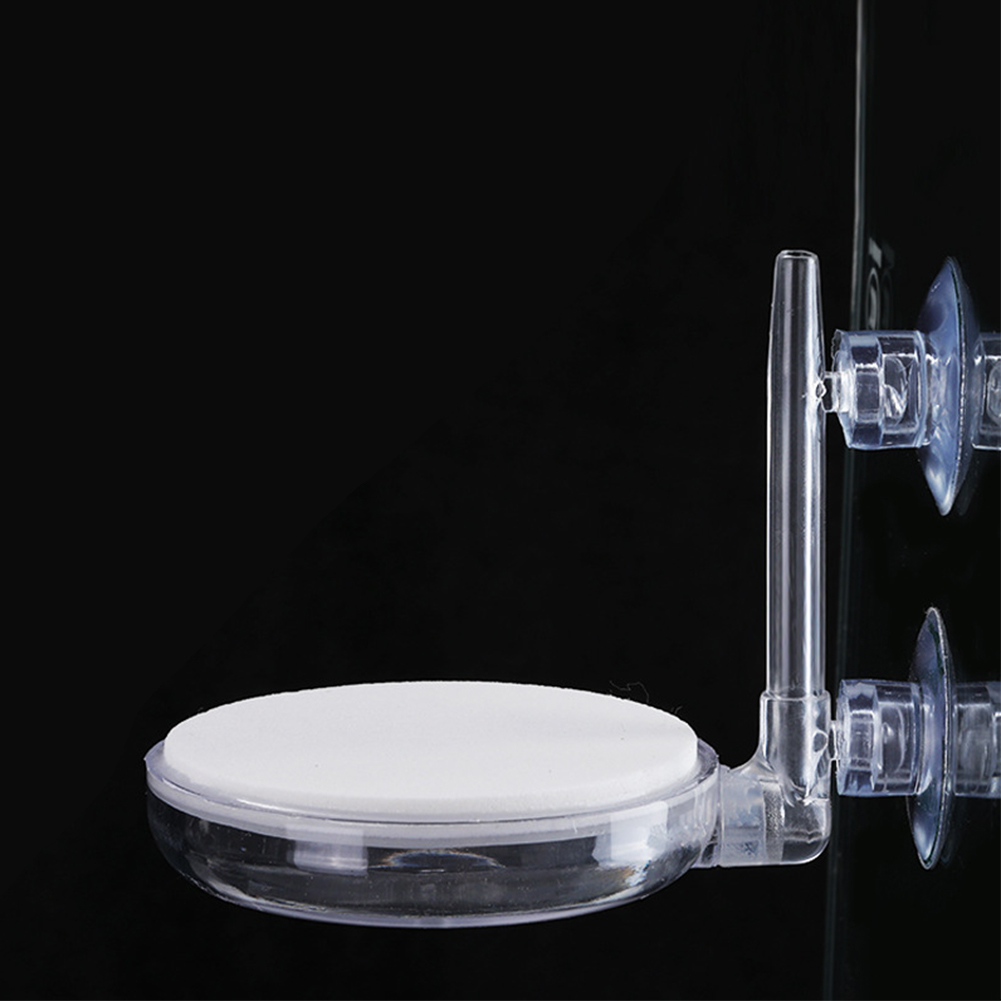
Nano Oxygenation Air Refiner Sand Head for Aquarium Fish Tank – Enhance Water Quality