Choosing the right Uninterruptible Power Supply (UPS) can be a game-changer for both home and business environments. When the power goes out, the last thing you want is to lose critical data or experience downtime. Understanding runtime is essential to make an informed choice that fits your needs.
Understanding Runtime
Runtime refers to the length of time your UPS can provide power during an outage. This is where it gets interesting. Not all UPS systems are created equal, and runtime can vary significantly based on several factors. Knowing what to look for can help you select a UPS that ensures seamless operation when it matters most.
Factors to Consider When Choosing a UPS
Total Load
First, consider the total load that your UPS will need to support. This includes all devices that require power during an outage. Calculate the wattage of each device, and sum them up to find your total load. It’s crucial to choose a UPS with a runtime that accommodates your specific load. A UPS that runs out of power too soon defeats the purpose of having one in the first place.
Battery Size
Next, think about the battery size. Larger batteries typically offer longer runtimes, but they also come at a higher cost. Investing in a UPS with a robust battery can pay off in the long run, especially if your area experiences frequent power interruptions. Additionally, consider the battery’s recharge time. A UPS that recharges quickly can be a lifesaver, allowing you to get back online sooner after a power failure.
Efficiency
Efficiency is another key aspect. A highly efficient UPS will maximize runtime, allowing you to get the most out of your battery. Look for models with advanced technology that optimizes battery usage without compromising performance. This not only extends runtime but also prolongs battery life, providing you with long-term value.
Additional Features
Lastly, pay attention to the features that enhance your UPS’s functionality. Some models come equipped with LCD displays that show real-time runtime estimates, battery status, and load levels. This information is invaluable for managing your devices and anticipating potential issues before they arise.
Conclusion
In summary, choosing the right UPS involves understanding your specific power needs, considering battery size and recharge time, and looking for efficiency-enhancing features. By focusing on these runtime basics, you can select a UPS that not only protects your devices but also ensures peace of mind during power outages. Invest wisely, and safeguard your productivity against the unpredictability of power supply interruptions.
Related products

Magnetic Wireless Power Bank – Portable Mobile Power Supply for On-the-Go Charging
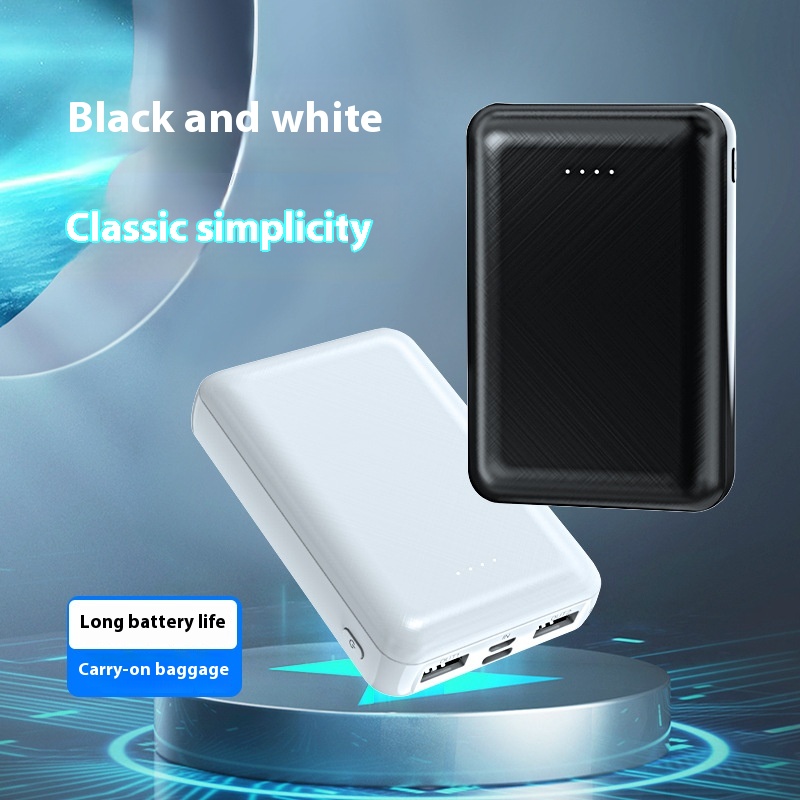
20000mAh High-Capacity Portable Mobile Power Supply – Compact & Convenient
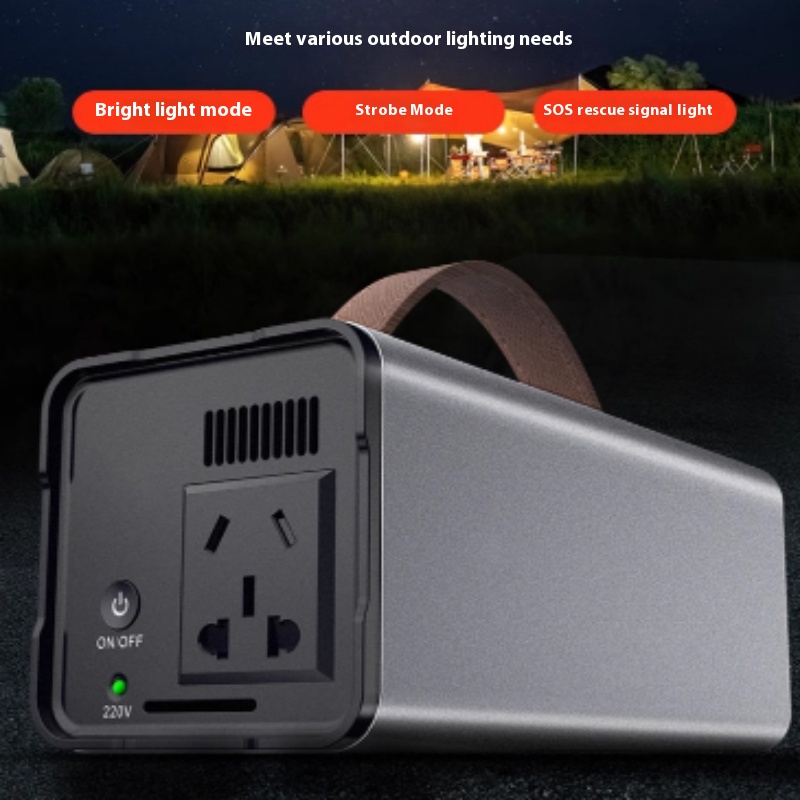
Stall High-Capacity Portable Outdoor Energy Storage Power Supply for Camping