Choosing the right athletic tape can make a significant difference in your performance and recovery. When it comes to kinesiology tape and rigid tape, understanding the unique benefits of each can empower you to make an informed choice tailored to your specific needs.
Kinesiology Tape
Kinesiology tape, often recognized by its colorful, elastic design, offers unparalleled flexibility. This tape mimics the skin’s elasticity, allowing for a full range of motion while providing support to muscles and joints. Ideal for athletes looking to maintain mobility during training or competition, kinesiology tape can:
- Reduce pain and inflammation
- Promote blood flow and lymphatic drainage
- Help you recover faster from injuries
Whether you’re a runner, cyclist, or a weekend warrior, this tape is a game-changer for those who refuse to be sidelined.
Rigid Tape
On the other hand, rigid tape is your go-to solution for providing strong, immobilizing support. Perfect for injuries requiring stabilization, such as sprains or strains, rigid tape offers a firmer hold. It’s commonly used by athletes who need to ensure that an injured area remains protected during activity. This tape:
- Adheres well to the skin
- Delivers reliable support
- Allows you to push through intense workouts without the worry of exacerbating an injury
If you’re recovering from a significant injury or need to prevent one, rigid tape can be your best ally.
Choosing the Right Tape
When deciding between kinesiology and rigid tape, consider your activity level and the type of support you require:
Kinesiology Tape
Kinesiology tape shines when you need to maintain flexibility while still getting support, making it perfect for dynamic sports like basketball or soccer.
Rigid Tape
Conversely, if you’re engaging in heavy lifting or high-impact sports where joint stability is crucial, rigid tape will provide the firmness you need.
Application Process
Moreover, the application process differs between the two:
- Kinesiology tape can often be applied by the athlete themselves, allowing for quick adjustments on the go.
- Rigid tape, however, may require more precision and technique, often best applied by a trained professional.
This means considering whether you have access to a coach or therapist who can assist you with application.
Conclusion
Ultimately, the choice between kinesiology and rigid tape boils down to your specific needs. Both types offer unique benefits that can enhance your athletic performance and aid in recovery. By understanding their differences, you can select the right tape that empowers you to achieve your fitness goals, whether you’re looking to enhance performance, prevent injury, or recover from one. Make the smart choice for your body and elevate your game with the right athletic tape today!
Related products
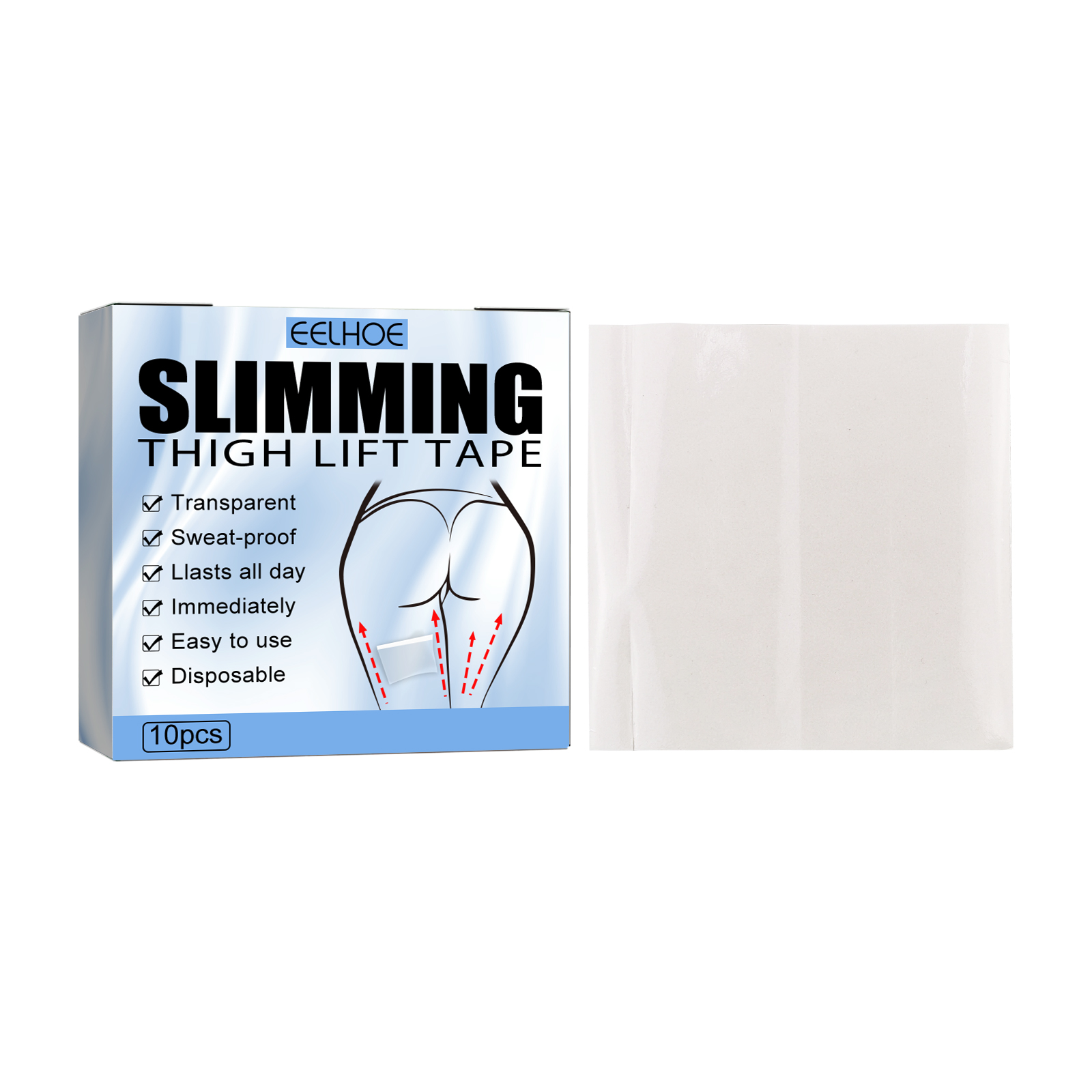
EELHOE Thigh Lifting Tape: Enhance Leg Muscles for Beautiful, Shaped Legs with a Soft Touch

Warm Reflective Tape Gloves for Outdoor Cycling – Enhance Your Ride
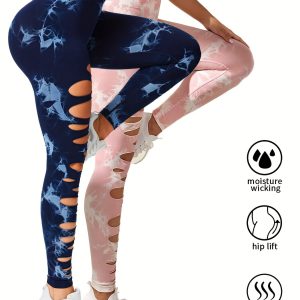
2 Pack High Waisted Tie Dye Cutout Leggings for Women – Sexy Hollow Design, Elastic Scrunch Butt Lifting, Tummy Control Yoga Pants for Workout and Athletic Wear