
Selecting the right bike brake pads can make all the difference between a smooth ride and a harrowing experience. Riders often find themselves torn between disc and rim brake pads, each offering unique benefits. Understanding these differences is crucial for optimizing your bike’s performance and safety.
Disc Brake Pads
Disc brake pads are designed for superior stopping power, especially in wet or muddy conditions. They offer consistent performance due to their location on the wheel hub, which keeps them away from road debris. If you often ride in varied terrains or face unpredictable weather, disc brake pads are your best bet. They excel in heat dissipation, reducing the risk of brake fade during intense rides. With the added bonus of less wear on your wheels, disc brakes are ideal for those who prioritize durability and reliability.
Rim Brake Pads
On the other hand, rim brake pads are typically lighter and easier to replace, making them a popular choice among road cyclists and those who enjoy a minimalist setup. Rim brakes work by applying friction to the wheel’s rim, providing excellent stopping power in dry conditions. They’re often more affordable, which can be a significant factor if you’re on a budget. If you mainly ride in urban settings or prefer a lightweight bike, rim brake pads could be the perfect fit for your cycling needs.
Material Choices
Material choice plays a pivotal role in brake pad performance. Here are the main types:
- Organic Pads: Made from softer materials, they provide quiet operation and excellent modulation, making them ideal for casual riders or those who prioritize comfort. However, they wear out faster, especially under heavy braking.
- Sintered Metal Pads: These offer a robust option for those who demand performance and durability. They withstand high temperatures and provide superior stopping power, perfect for aggressive riders or those tackling steep descents.
- Semi-Metallic Pads: Striking a balance between organic and sintered materials, they offer good performance across various conditions, making them a versatile choice for recreational cyclists.
Whatever your riding style, understanding the nuances of brake pad materials ensures you choose a product that enhances your biking experience.
Conclusion
In summary, whether you opt for disc or rim brake pads, consider your riding style, the conditions you encounter, and the materials that best suit your needs. Investing in the right brake pads not only enhances your bike’s performance but also ensures your safety on the road. Choose wisely, and experience the thrill of a ride that’s as safe as it is exhilarating. Don’t let subpar brake pads hold you back; elevate your cycling experience today!
Related products
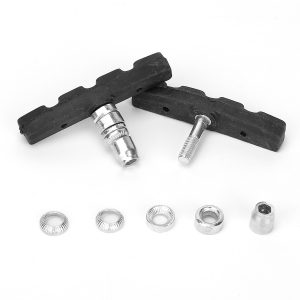
5 Pairs V Bike Brake Pads Set – 70mm Non-Slip V-Brake Blocks for Road & Mountain Bicycles with Hex Nuts and Spacers
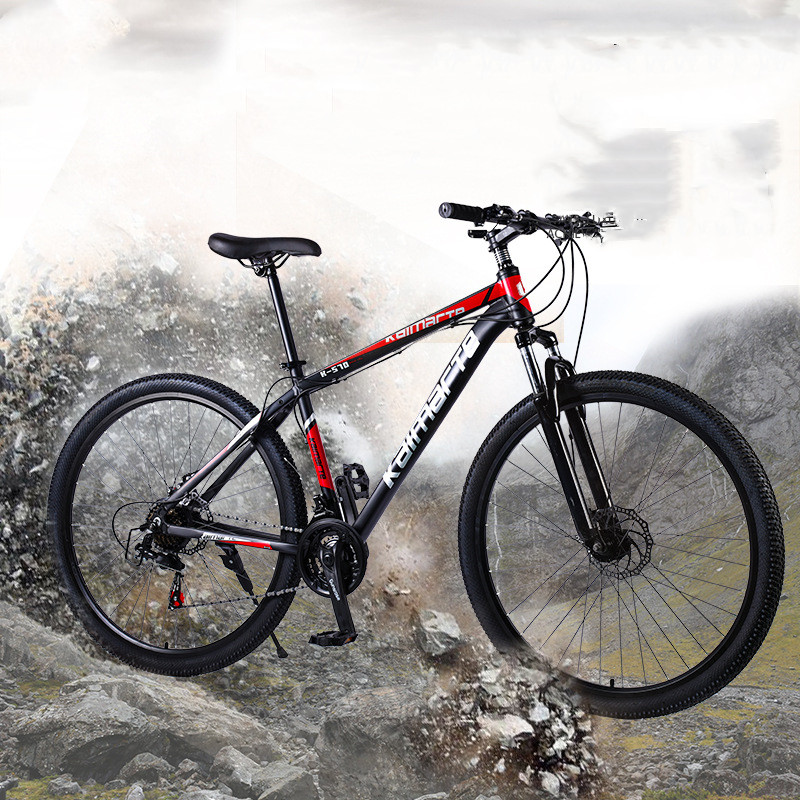
High-Performance Aluminum Alloy Mountain Bike with Shock Absorption & Disc Brake
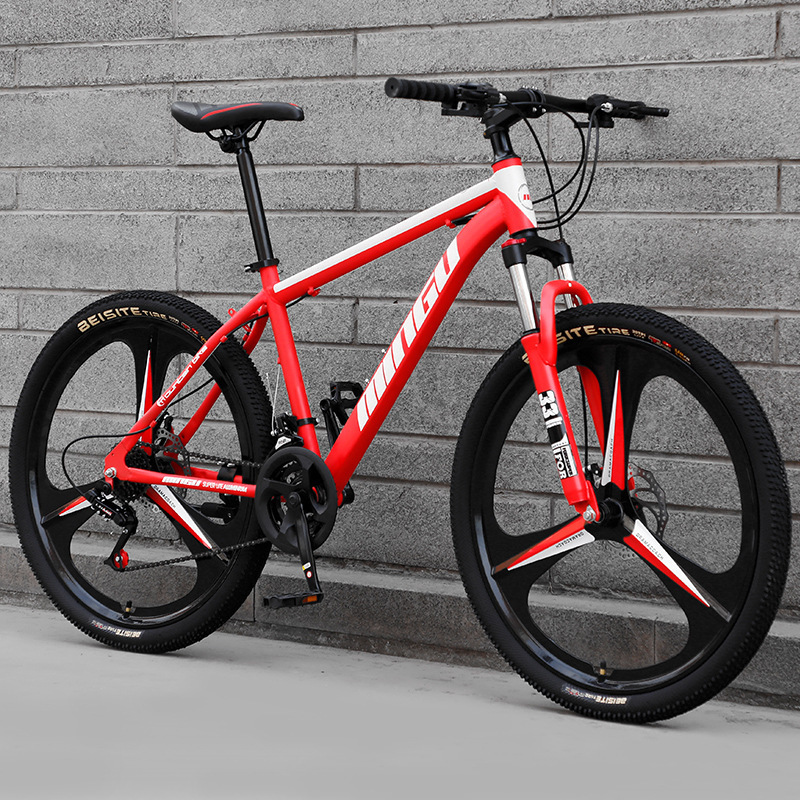
Mountain Bike 24/26 Inch with Disc Brakes and Shock Absorption – Men’s & Women’s Variable Speed Bicycle