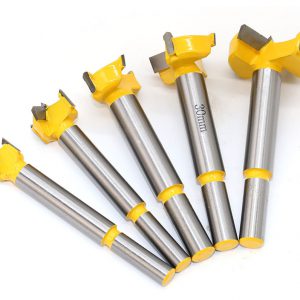
Choosing the right drill bit is crucial for achieving precision and efficiency in your projects. Whether you’re a seasoned professional or a DIY enthusiast, understanding the various types and materials of drill bits can elevate your work to new heights. Let’s delve into the world of drill bits, empowering you to make informed decisions that will enhance your drilling experience.
Types of Drill Bits
First, consider the types of drill bits available:
- Twist Bits: The most common and versatile, perfect for drilling into wood, plastic, and metal. Their spiral design allows for efficient chip removal, making them a staple in any toolkit.
- Masonry Bits: Equipped with a carbide tip, these bits are essential for tackling tougher materials like masonry or concrete. They are built to withstand the rigors of harder surfaces, ensuring durability and reliability with each use.
- Brad-Point Bits: Ideal for woodworking, their unique tip design allows for clean entry into the material, minimizing splintering and ensuring accuracy.
- Cobalt and High-Speed Steel Bits: Known for their heat resistance and ability to maintain sharpness even under heavy use, these bits are perfect for metalwork.
Material Selection
Material selection plays a significant role in the performance of drill bits:
- High-Speed Steel (HSS) Bits: Popular for their versatility and cost-effectiveness, they work well for a variety of applications but may dull more quickly than other materials.
- Cobalt Steel Bits: Infused with cobalt, these bits are tougher and ideal for drilling into hard metals, maintaining their sharpness longer than standard HSS bits.
- Titanium-Coated Bits: If you’re working with abrasive materials, these bits offer enhanced durability and reduced friction, allowing for smoother drilling.
Application Considerations
When selecting drill bits, think about the specific application:
- For woodworking projects, a set of brad-point bits and twist bits will cover most needs.
- For metalworking, ensure you have a variety of HSS and cobalt bits on hand.
- If your work involves concrete or masonry, investing in high-quality masonry bits will save you time and frustration.
Size and Shank Type
Consider the size and shank type as well:
- A range of sizes ensures that you can tackle any job that comes your way.
- The shank type—whether straight or hex—can affect compatibility with your drill and how securely the bit will hold during use.
Always match the bit shank to your drill to optimize performance.
Conclusion
In conclusion, the right drill bit can make all the difference in your projects, offering you precision, efficiency, and durability. By understanding the various types and materials available, you can select the perfect drill bits tailored to your specific needs. Invest in quality, choose wisely, and let your drilling endeavors reach their full potential!
Related products
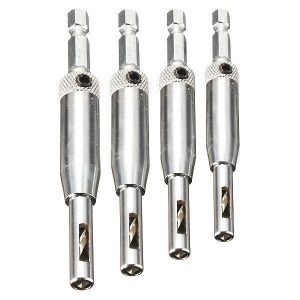
4Pcs Self-Centering Hinge Drill Bits Set for Doors and Cabinets
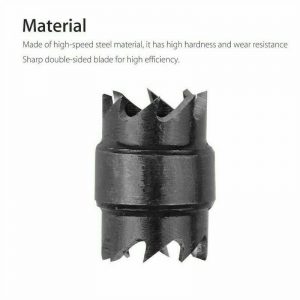
13-Piece Welding Spot Removal Tool Set, Stainless Steel Drill Bits, High-Speed Steel Opener
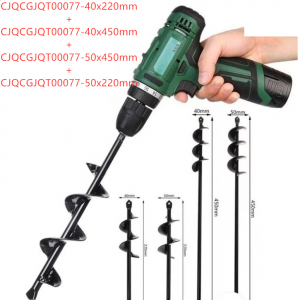
Spiral Loosening Drill Bit – High-Quality Alloy Ground Drill Bit for Precision