Choosing the right fly line can make or break your fishing experience. The debate between floating and sinking lines is not just a matter of preference; it’s about understanding the water conditions, fish behavior, and your own fishing style. Mastering the basics of these two types of fly lines can significantly enhance your success on the water.
Floating Fly Lines
Floating fly lines are the go-to choice for many anglers, especially when targeting fish that feed near the surface. The buoyancy of these lines allows for precise presentations of dry flies and surface lures. Picture yourself casting a delicate dry fly to a rising trout; the floating line enables you to maintain a natural drift, mimicking the movement of insects on the water’s surface.
Additionally, floating lines are incredibly versatile. They can be used in a variety of conditions, from lakes to slow-moving rivers, making them an excellent investment for any angler.
Sinking Fly Lines
On the flip side, sinking fly lines are essential when you’re targeting fish that lurk in deeper waters. If you’re fishing in a lake with submerged structures or in fast-moving rivers where fish are holding at depth, a sinking line is your best ally. These lines allow you to reach those elusive fish that might be ignoring surface presentations.
With various sinking options available, such as:
- Intermediate sinking lines
- Fast-sinking lines
- Super-fast sinking lines
You can choose the right one based on your specific fishing needs. Imagine the thrill of feeling a tug on your line as you present a nymph or streamer deep in the strike zone, where many anglers fail to reach.
Understanding Water Conditions
Understanding the water conditions is crucial when selecting between floating and sinking lines. If you’re fishing in a clear lake with a lot of surface activity, a floating line may be the best choice to capitalize on those feeding fish. Conversely, in murky waters or during colder months when fish retreat to the depths, sinking lines can be more effective.
The ability to adapt your fly line to the environment is a skill every angler should master, ensuring that you’re always in the right place at the right time.
Line Weight and Taper
Don’t overlook the importance of line weight and taper as you make your selection. A well-matched line to your rod and reel not only improves casting distance but also enhances your overall fishing experience. Floating lines generally have a wider variety of tapers designed for different fishing techniques, while sinking lines often focus on delivering flies quickly to the desired depth.
Selecting the right taper can make all the difference in how your fly behaves in the water, ensuring that it attracts the attention of fish.
Investing in Quality Fly Lines
Investing in quality fly lines pays dividends in performance and durability. Brands that specialize in fly fishing gear often offer advanced materials and coatings that resist tangling and improve casting efficiency. Don’t settle for subpar lines that might hinder your fishing experience; opt for products that have been proven to enhance your success on the water.
Conclusion
Ultimately, the choice between floating and sinking fly lines should be guided by your fishing goals and the conditions you expect to face. By understanding the basics of each type, you can make informed decisions that elevate your fishing game. Whether you’re stalking fish on the surface or diving deep to uncover hidden gems, the right fly line will empower you to create unforgettable fishing memories. Get ready to cast your worries away and reel in the catch of a lifetime!
Related products
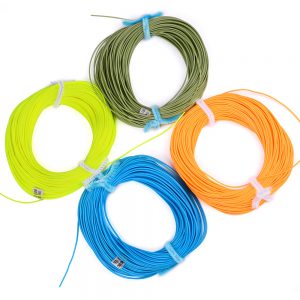
Vibrant Multi-Color Floating Fly Fishing Line for Enhanced Angling Experience
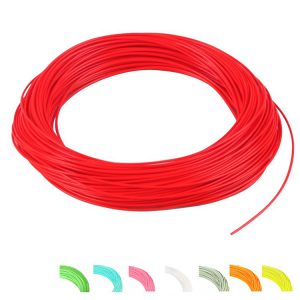
Forwad Floating Fluo Fly Fishing Line – Superior Performance & Visibility
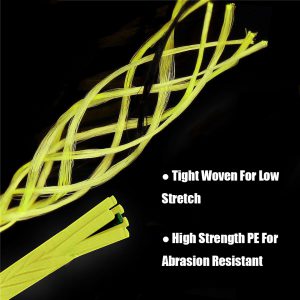
Premium Fly Fishing Backing Line – Floating 50M, 20LB & 30LB Options