When it comes to keeping your tools in top shape, choosing the right replacement battery is crucial for both performance and safety. Selecting the correct battery can mean the difference between a reliable tool and a frustrating experience. Here’s a comprehensive safety checklist to guide you through the process of selecting the perfect replacement tool battery.
Identify the Battery Type
First, identify the type of battery your tool requires. Different tools use various battery technologies, such as lithium-ion, nickel-cadmium, or nickel-metal hydride. Always refer to the manufacturer’s specifications to ensure compatibility. Using the wrong battery can not only hinder your tool’s functionality but also pose safety risks, including overheating or battery leakage.
Check the Voltage Rating
Next, check the voltage rating. The voltage of the replacement battery should match the original battery to prevent damage to your tool. A higher voltage may provide more power but can lead to overheating or other malfunctions. Conversely, a lower voltage may not deliver enough power for your tool to operate effectively. Always aim for a direct match.
Consider the Amp-Hour (Ah) Rating
Pay close attention to the amp-hour (Ah) rating. This number indicates how long a battery can deliver power before needing a recharge. A higher Ah rating means longer run times, which can be particularly beneficial for heavy-duty projects. When selecting a battery, consider:
- How often you use your tools
- The duration of your projects
to find the optimal capacity.
Safety Certifications
Safety certifications are paramount. Ensure that the replacement battery has been tested and certified by recognized safety organizations. Look for labels such as UL (Underwriters Laboratories) or CE (Conformité Européenne). These certifications ensure that the battery meets safety standards, reducing the risk of fires, explosions, or other hazards.
Purchase from Reputable Brands
Consider purchasing from reputable brands or authorized dealers. While it may be tempting to opt for cheaper, generic batteries, they often lack the quality assurance and safety measures of established brands. Investing in a well-known battery not only enhances your tool’s performance but also guarantees a level of safety you can trust.
Examine the Warranty and Return Policy
Lastly, examine the warranty and return policy. A quality replacement battery should come with a warranty that covers defects and performance issues. This not only protects your investment but also provides peace of mind knowing that you can return the battery if it does not meet your expectations.
Conclusion
By following this safety checklist, you can confidently select the right replacement tool battery that meets your needs while ensuring safety and reliability. Empower your tools with the right energy source, and experience the difference in performance and longevity. Don’t compromise on safety—choose wisely and keep your tools running smoothly!
Related products
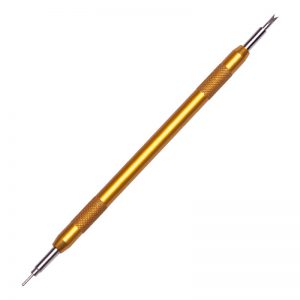
Watchband Replacement Tool for Repairing and Disassembling Watches – Replaceable Plug System
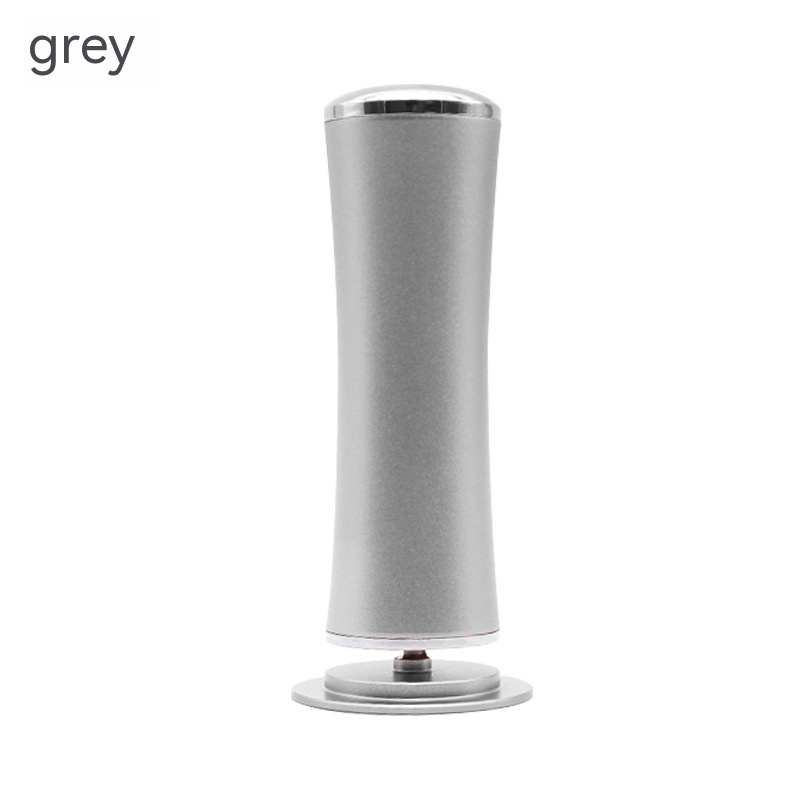
Electric Foot Callus Remover – Pedicure Tool for Heels, Dead Skin & Foot Care with Replacement Sandpaper

2-in-1 Car Safety Hammer: High Hardness Tungsten Steel Window Glass Breaker & Seat Belt Cutter Emergency Rescue Tool with Base