Choosing the right replacement watch battery is more than just a simple task; it’s a vital step in ensuring your timepiece continues to function accurately and safely. A watch is not just a tool for telling time; it’s often a cherished accessory that reflects your personal style and sentiment. Here’s a safety checklist to guide you through the process of selecting the perfect battery for your watch.
Identify the Battery Type
First and foremost, identify the type of battery your watch requires. Most watches use standard batteries, but some may have unique specifications. Check the back of your watch or consult the manufacturer’s website for the battery model. Knowing the exact battery type ensures compatibility and prevents potential damage to your watch.
Consider Battery Quality
Next, consider the quality of the battery. Not all batteries are created equal. Opt for reputable brands known for their reliability and longevity. High-quality batteries, like those from Energizer or Panasonic, not only last longer but also reduce the risk of leakage, which can damage your watch. Investing in quality means your watch will serve you better and longer.
Safety Precautions
Safety should always be a priority. When handling batteries, ensure you’re working in a clean, dry environment. Avoid contact with metal objects that could create short circuits. If you’re unsure about changing the battery yourself, it’s wise to seek help from a professional watch repair service. They have the tools and expertise to replace the battery safely without risking harm to your beloved timepiece.
Disposal of Used Batteries
Another critical aspect is disposal. Used batteries can be harmful to the environment if not disposed of correctly. Many retailers offer recycling programs for batteries, so take advantage of these services. This not only promotes environmental responsibility but also ensures that you’re following local regulations regarding battery disposal.
Watch Specifications
Additionally, be mindful of your watch’s specific needs. Some watches are designed with water resistance in mind, and improper battery replacement can compromise this feature. If your watch is water-resistant, ensure the seals are intact after the battery change to maintain its protective qualities.
Warranty Considerations
Finally, keep an eye on the warranty. Some watch manufacturers provide warranties that cover battery replacement. If your watch is still under warranty, consult the manufacturer before attempting a DIY battery change. This could save you money and prevent any potential issues with your watch’s functionality.
Conclusion
In conclusion, choosing the right replacement watch battery is a blend of knowledge and caution. By following this safety checklist—identifying the correct battery type, opting for quality, ensuring proper handling and disposal, and respecting your watch’s specifications—you can keep your watch running smoothly and safely. Don’t let a dead battery stop you from showcasing your style; choose wisely and keep your timepiece ticking!
Related products

Premium Leather Watch Strap – Stylish and Durable Replacement Band
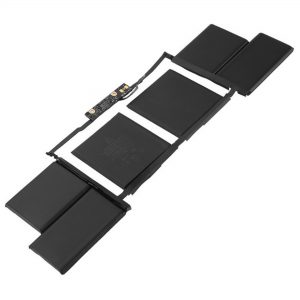
Compatible Laptop Batteries for A1707 and A1820 Models – Reliable Power Solution
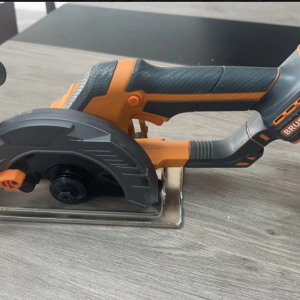
Single-Handed Cutting Machine – Model SQ-006C15 with 15 Batteries, 2 Pieces