Choosing the right solder can make or break your electronic projects, and understanding the differences between lead-free and leaded solder is crucial for achieving optimal results. The decision isn’t merely technical; it reflects your values as a maker or a professional in the electronics field.
Leaded Solder
Leaded solder, typically composed of tin and lead, has long been favored for its ease of use. It melts at lower temperatures, making it ideal for delicate components and minimizing the risk of thermal damage. If you’re working on projects that require a quick and reliable joint, leaded solder provides a smooth flow and excellent conductivity. Many professionals swear by it for its superior reliability in high-performance applications. However, the presence of lead raises health and environmental concerns, leading to a growing push for alternatives.
Lead-Free Solder
Enter lead-free solder, a modern solution designed with safety in mind. Composed of tin mixed with copper, silver, or other metals, lead-free solder is increasingly becoming the industry standard, especially in consumer electronics. It meets stringent regulations and offers a safer working environment. While it may require higher temperatures for melting, advancements in soldering technology and equipment have made it easier to work with. Additionally, lead-free solder can produce joints that are just as strong and reliable as their leaded counterparts, making it an excellent choice for eco-conscious makers and manufacturers.
Choosing the Right Solder
When selecting solder, consider your specific needs:
- If you’re producing products that will be sold in markets with strict regulations, lead-free solder is not just a safer choice; it’s often a requirement.
- Conversely, if your priority is speed and ease of use in a controlled environment, leaded solder might still hold appeal.
Conclusion
Ultimately, the choice between lead-free and leaded solder boils down to your project requirements and values. Whether you prioritize traditional performance or modern safety standards, understanding the strengths and limitations of each type will empower you to make informed decisions that enhance your work and align with your ethos. By choosing the right solder, you’re not just creating connections; you’re forging a path toward quality, safety, and innovation in the world of electronics.
Related products
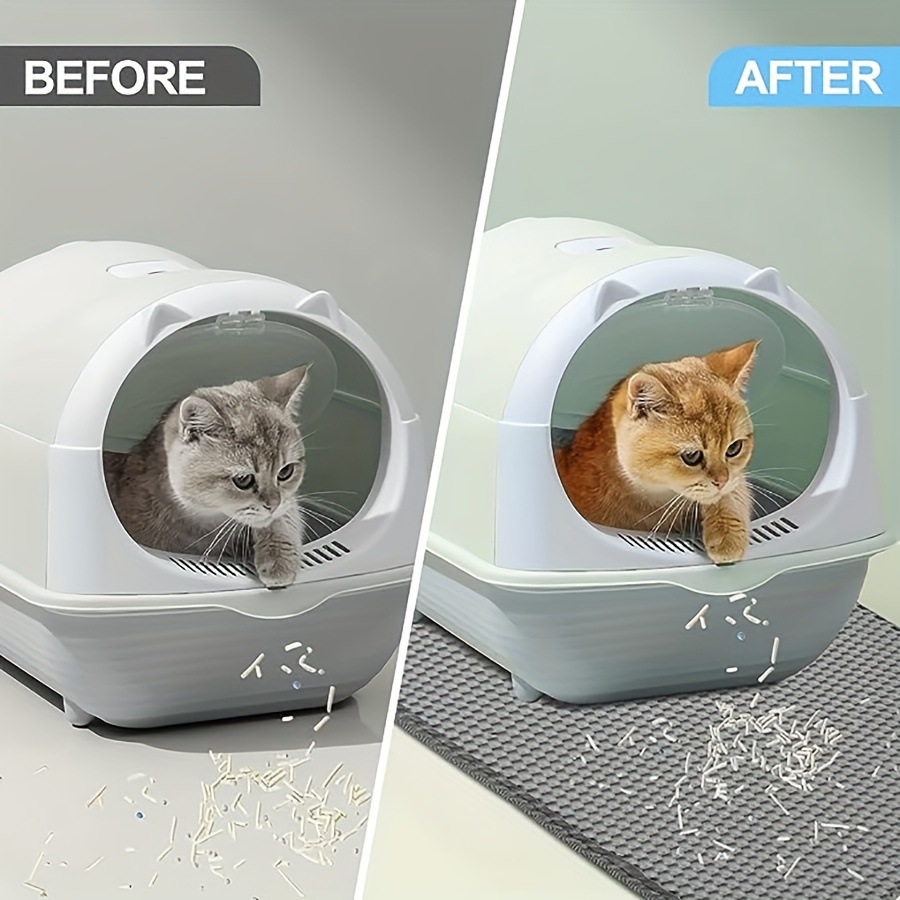
Anti-Splash EVA Double-Layer Cat Litter Mat for Mess-Free Cleanups
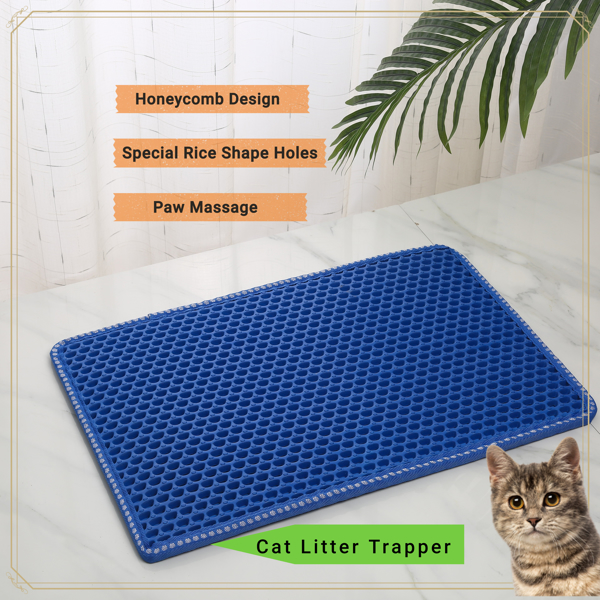
Double-Layer Cat Litter Mat for Rice – Durable, Easy to Clean & Mess-Free
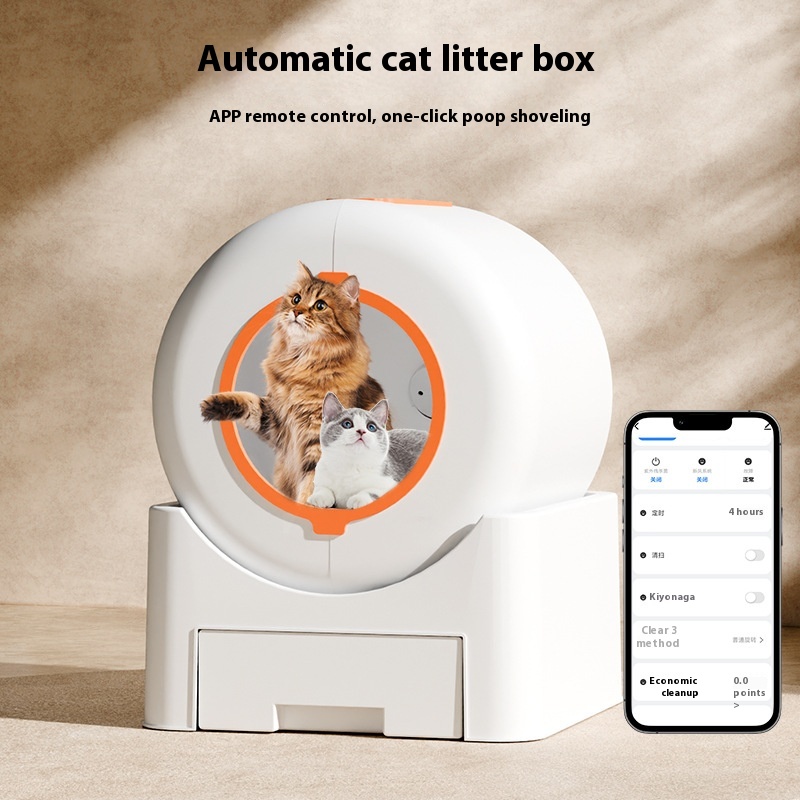
Smart Automatic Litter Box – Fully Enclosed, Anti-Splash, Self-Cleaning & Odor-Free