Choosing the right sunglasses for sports is not just about style; it’s about performance, safety, and comfort. Whether you’re cycling through the hills, running a marathon, or hitting the slopes, the right pair of sunglasses can enhance your experience and protect your eyes from harmful UV rays and debris. Here’s how to make an informed choice focusing on anti-fog features and fit.
Visibility and Anti-Fog Features
First and foremost, let’s talk about visibility. When you’re engaged in high-intensity activities, fogging can be a significant distraction, impairing your vision and potentially putting you at risk. Look for sunglasses with advanced anti-fog technology. These lenses are treated with special coatings that prevent condensation build-up, ensuring that your vision remains crystal clear, even in humid or rapidly changing temperatures. Imagine racing down a mountain or sprinting down a trail without the annoyance of fog obscuring your view. Brands that prioritize this technology often offer superior performance, giving you the edge you need.
Fit and Comfort
Next, consider the fit. Ill-fitting sunglasses can slide down your nose, pinch your temples, or cause discomfort over time, all of which can be distracting during your performance. When selecting sunglasses, look for a pair that contours to your face. Many sports sunglasses come with:
- Adjustable nose pads
- Temple tips
These features allow you to customize the fit for maximum comfort and stability. A snug fit not only enhances comfort but also ensures that the sunglasses stay in place, no matter how vigorous your activity.
Lens Shape and Coverage
Don’t overlook the importance of lens shape and coverage either. Wraparound styles are particularly beneficial for sports as they provide a wider field of vision and better protection against wind and debris. This design also helps to reduce glare from different angles, allowing you to focus solely on your performance.
Lens Tint and Polarization
Moreover, consider lens tint and polarization. Different sports may require different lens colors to enhance contrast and improve visibility in varying light conditions. For example:
- Gray or green lenses: Great for bright, sunny days
- Yellow or amber lenses: Enhance contrast during low-light conditions
Polarized lenses can also reduce glare from surfaces like water or pavement, providing a clearer view and reducing eye strain during long sessions.
Durability
Lastly, prioritize durability. Sports sunglasses should be robust enough to withstand the rigors of your activity. Look for lenses made from polycarbonate or Trivex, which are impact-resistant and provide excellent optical clarity. The frames should be equally tough, often crafted from materials like nylon or thermoplastic, designed to flex without breaking.
Conclusion
In conclusion, the right pair of sports sunglasses can make a world of difference. By focusing on anti-fog features and a perfect fit, you’ll enhance your performance and enjoy your sport to the fullest. Invest in high-quality sunglasses that combine comfort, functionality, and style. Your eyes will thank you, and you’ll be ready to take on any challenge that comes your way.
Related products
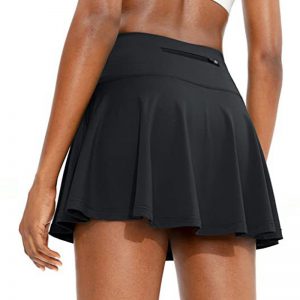
Anti-Exposure Fitness Yoga Pleated Skirt with Back Waist Pocket – Casual Sports & Dance Tennis Skirt

High Waist Peach Hip Women’s Yoga Pants – Elastic Sports Tights for Abdominal Shaping, Anti-chic No T-line Fitness Gear
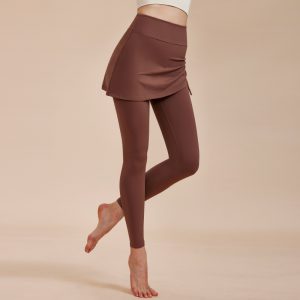
High-Waisted Seamless Yoga Pants with Fake Two-Piece Skirt Design – Anti-Exposure Butt-Covering Leggings for Dance, Sports, and Fitness