Finding the perfect training treat for your dog can feel like navigating a maze. You want something that will excite your pup and reinforce good behavior, but you also need to be cautious of their sensitive stomachs. The solution lies in understanding what makes treats both effective and gentle on digestion.
Choosing the Right Ingredients
Start by looking for treats that are high in protein and low in fillers. Ingredients like real meat, fish, or wholesome veggies are not only tasty but also provide the energy your dog needs for training sessions. Look for products that boast high-quality sources, such as:
- Free-range chicken
- Wild-caught salmon
Brands that prioritize ingredient transparency help you feel confident in your choice, knowing that your dog is getting the best.
Size and Texture Matter
Additionally, consider the size and texture of the treats. Smaller, softer treats are often easier for dogs to digest and can be consumed quickly during training. This minimizes the risk of an upset stomach while keeping your dog engaged and focused on the task at hand. Crunchy treats can also be beneficial, but make sure they are not too hard, which could lead to dental issues or discomfort.
Avoiding Artificial Additives
When selecting treats, avoid those laden with artificial preservatives, colors, or flavors. These additives can irritate your dog’s stomach and lead to digestive problems. Instead, opt for treats that use natural preservatives, such as:
- Vitamin E
- Rosemary extract
Not only do these keep the treats fresh, but they also support your dog’s overall health.
Digestibility is Key
Another crucial factor is the digestibility of the treats. Some dogs are more prone to stomach sensitivities than others. Therefore, look for products that are specifically formulated for sensitive stomachs. Many reputable brands offer hypoallergenic options that avoid common allergens like:
- Wheat
- Soy
- Corn
This makes them a safer choice for your furry friend.
Trial and Error
Lastly, don’t underestimate the power of trial and error. Every dog is unique, and what works for one might not work for another. Be observant when introducing new treats. Monitor your dog’s reaction, and if you notice any signs of digestive distress, it’s time to reassess your choice. A little patience can go a long way in finding the ideal training treat that keeps tails wagging and stomachs happy.
Conclusion
By carefully selecting high-value training treats that are gentle on digestion, you ensure a rewarding experience for both you and your dog. The right treats not only enhance training sessions but also contribute to a healthier, happier pet. Choose wisely, and watch your canine companion thrive!
Related products
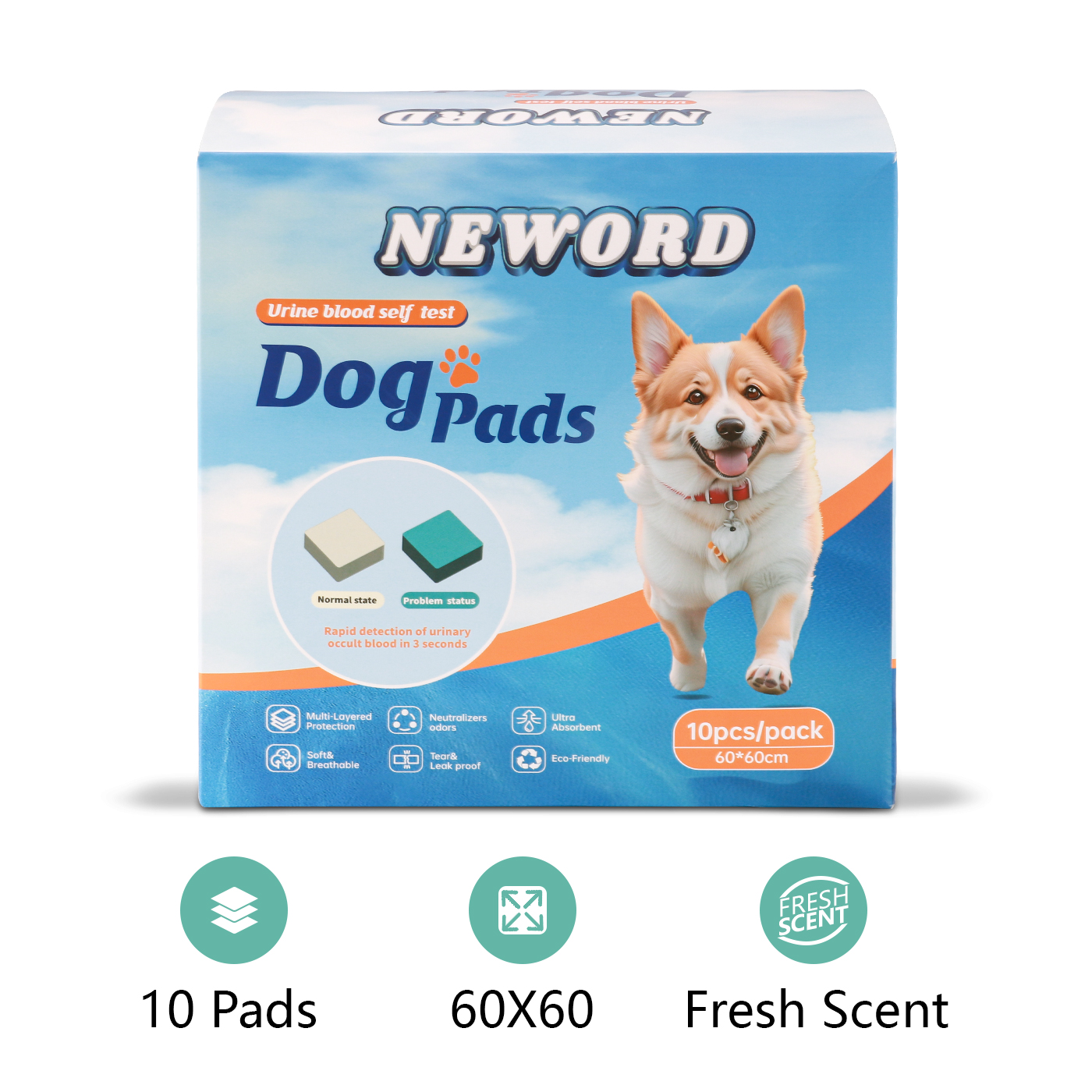
Dog Detection Urine Pad – Accurate, High-Quality Training Solution
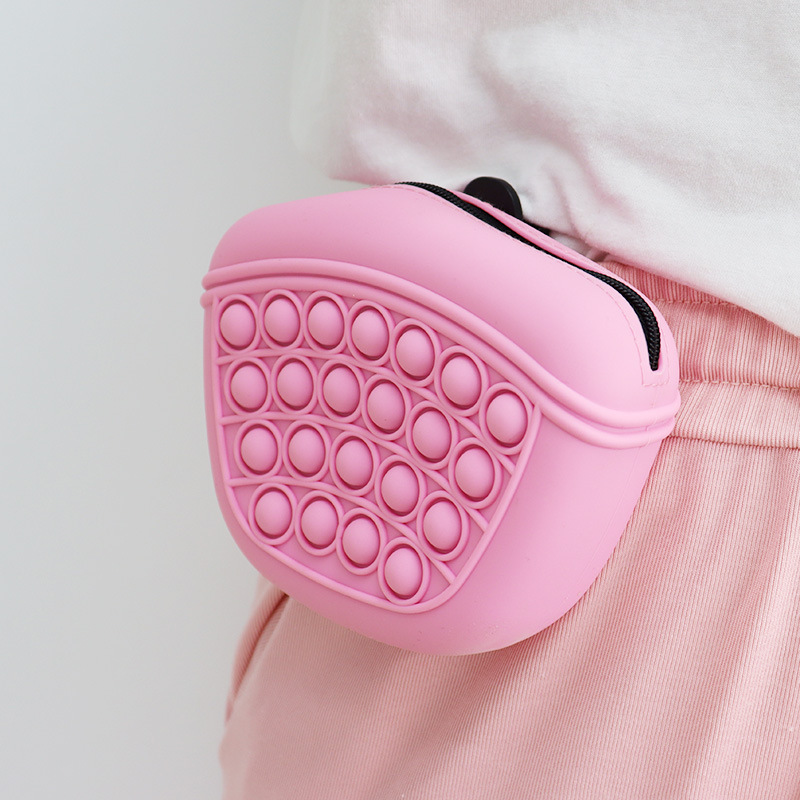
Silicone Dog Treat Pouch – Portable Pet Training Waist Pack Bundle for Snacks, Soft Washable Feed Storage, and Food Rewards
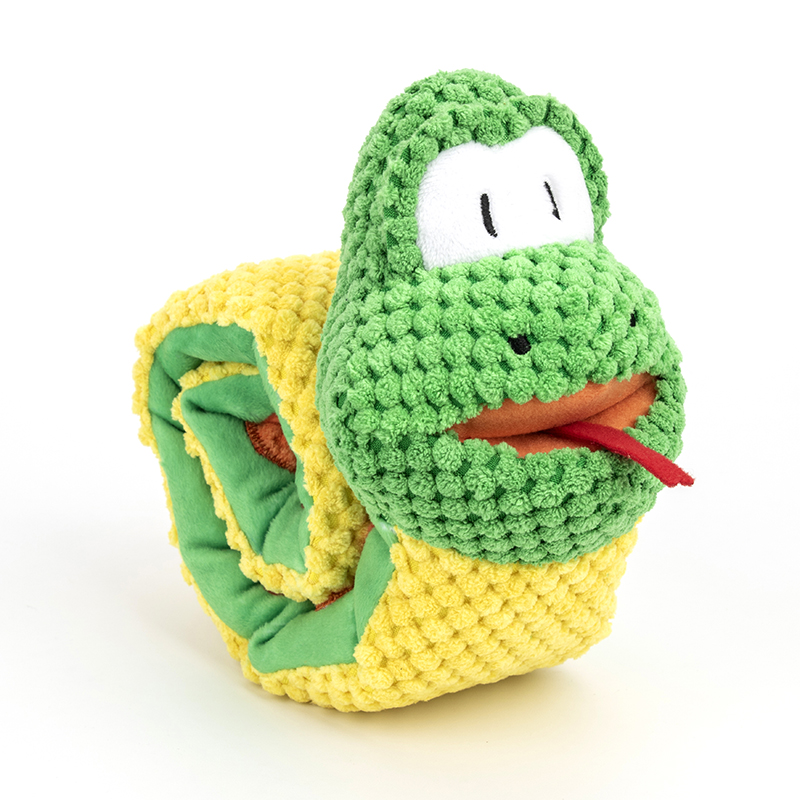
Engaging Snake Snuffle Toy – Squeaky Dog Toy for Stress Relief & IQ Training, Plush Puzzle Toy for Foraging Instincts, Chew Toy & Treat Dispenser for Dogs