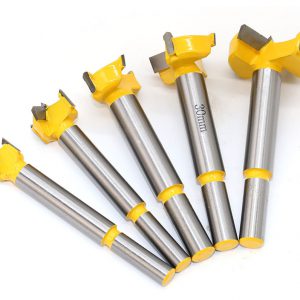
Drilling into concrete can seem daunting, but with the right tools and techniques, it can be a straightforward task. Whether you’re hanging shelves, installing fixtures, or working on a DIY project, knowing how to drill into concrete safely and effectively is crucial. Let’s explore the essential bits and tips for using a hammer drill to conquer this challenge.
Choosing the Right Drill Bit
First and foremost, the right drill bit makes all the difference. For concrete, you’ll want to invest in masonry drill bits specifically designed for this tough material. Unlike standard bits, masonry bits feature a carbide tip that can withstand the rigors of drilling into hard surfaces. A high-quality masonry bit will not only save you time but also prevent frustration caused by dull or ineffective tools. Brands like Bosch and DeWalt offer reliable options that are trusted by professionals and DIY enthusiasts alike.
The Importance of a Hammer Drill
Next, the hammer drill is your best ally. Unlike a regular drill, a hammer drill delivers rapid bursts of energy that propel the bit forward, allowing it to break through concrete with ease. When selecting a hammer drill, look for one with:
- Variable speed settings
- A robust power rating
A drill with at least 700 watts of power will make the job significantly easier and more efficient. For those who frequently work with concrete, a corded hammer drill may provide the reliability and power needed to tackle larger projects without the worry of battery life.
Preparation Before Drilling
Before you start drilling, preparation is key. Mark your drilling spot clearly and ensure the area is clear of any obstacles. A simple tip: use a center punch to create a small indentation on the surface. This will help keep your drill bit from wandering as you begin to drill, leading to cleaner, more precise holes.
The Drilling Process
When it comes to the actual drilling process, patience is crucial. Start with a low speed to allow the bit to penetrate the surface. As you drill, apply steady pressure without forcing the drill; let the tool do the work. If you encounter resistance, periodically withdraw the bit to clear out dust and debris. This not only prolongs the life of your bit but also improves drilling efficiency.
Safety Precautions
Safety should never be overlooked. Always wear safety goggles to protect your eyes from flying debris and a dust mask to avoid inhaling concrete dust. If you’re working indoors, ensure proper ventilation to keep the air clean.
Inserting Anchors
Once you’ve drilled your hole, it’s time to insert anchors if needed. Consider the following options:
- Expansion anchors: Ideal for heavier loads
- Plastic anchors: Work well for lighter applications
A well-placed anchor will ensure that whatever you’re installing remains securely in place.
Conclusion
By following these tips and utilizing the right tools, drilling into concrete can transform from a stressful chore into a straightforward project. Investing in quality masonry bits and a reliable hammer drill will not only yield better results but also enhance your overall experience. So grab your tools, embrace the challenge, and bring your concrete projects to life with confidence!
Related products
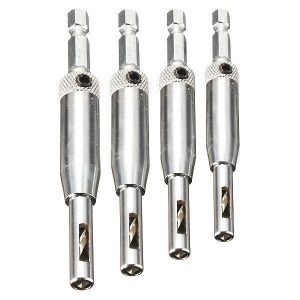
4Pcs Self-Centering Hinge Drill Bits Set for Doors and Cabinets
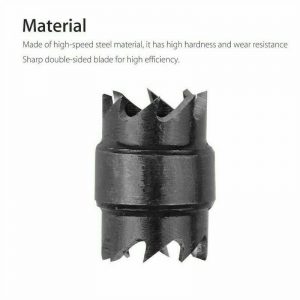
13-Piece Welding Spot Removal Tool Set, Stainless Steel Drill Bits, High-Speed Steel Opener
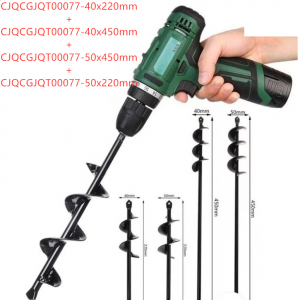
Spiral Loosening Drill Bit – High-Quality Alloy Ground Drill Bit for Precision