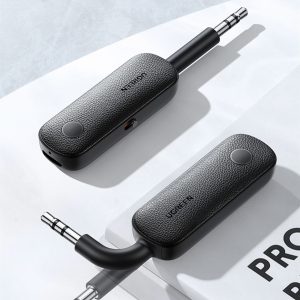
Eliminating static from FM transmitters can feel like trying to tune a vintage radio in a noisy room. However, understanding the common sources of interference can empower you to achieve crystal-clear sound quality.
Common Sources of Static
1. Nearby Electronic Devices
One of the most prevalent culprits of static is nearby electronic devices. Everything from microwaves to wireless routers can emit signals that disrupt your transmission. To combat this, consider:
- Repositioning your transmitter away from these devices
- Using shielding techniques to minimize interference
- Investing in high-quality coaxial cables to significantly reduce the risk of signal degradation
2. Physical Obstructions
Another common source of static comes from physical obstructions. Buildings, trees, and even hills can obstruct the line of sight between your transmitter and receiver. To enhance your signal, consider:
- Elevating your transmitter using a taller antenna
- Moving it to a more advantageous location
This not only improves clarity but also broadens your broadcast range, allowing your message to reach a wider audience.
3. Electromagnetic Interference (EMI)
Electromagnetic interference (EMI) is a frequent offender, particularly in urban environments. Heavy machinery, power lines, and fluorescent lights can all contribute to a static-laden experience. To mitigate EMI, you can:
- Utilize filters and isolators
- Invest in a quality FM transmitter designed to handle such interference
By doing so, you can enjoy a more reliable broadcasting experience.
4. Ground Loops
Ground loops may also introduce unwanted noise into your transmission. If you notice a hum or buzz accompanying your audio, consider:
- Grounding your equipment properly
- Using balanced audio cables to help minimize these issues
This results in a more professional sound that captivates your listeners.
5. Proper Tuning
Lastly, don’t overlook the importance of proper tuning. Ensure that your transmitter is:
- Correctly set to the desired frequency
- Free of conflicting signals on adjacent channels
Regularly checking your equipment can prevent unexpected interruptions and maintain high-quality sound.
Conclusion
In conclusion, static in FM transmitters can often be traced back to common interference sources. By identifying and addressing these issues, you can transform your broadcasting experience. Elevate your signal quality and enhance your listener’s experience with the right tools and techniques. Whether you’re a hobbyist or a professional broadcaster, taking these steps will ensure your audio is as vibrant and engaging as the content you share.
Related products

Self-Cleaning Hair Brush for Women | One-Key Hair Loss Cleaning, Airbag Massage Scalp Comb, Anti-Static Hairbrush

One-Key Self-Cleaning Hair Brush for Women – Curly Hair Anti-Static Airbag Massage Comb & Professional Detangling Scalp Tool
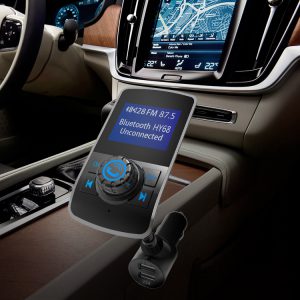
Car Bluetooth MP3 Player & FM Transmitter – Wireless Car Audio Solution