When you’re trying to enjoy your favorite tunes through an FM transmitter, the last thing you want to encounter is static. This unwanted noise can quickly turn a pleasant listening experience into a frustrating one. Fortunately, understanding how to troubleshoot interference can restore clarity to your broadcasts, ensuring you get the most out of your device.
Identifying the Source of Interference
First, it’s essential to identify the source of interference. Static can arise from various factors, including nearby electronic devices, physical obstructions, or even poor signal strength. Start by moving your FM transmitter away from other electronics like routers, microwaves, or cordless phones, as these can emit signals that interfere with your transmission. A little distance can make a world of difference!
Optimizing Transmitter Location
Another critical aspect to consider is the location of your transmitter. If you’re indoors, try placing it near a window or in a higher position. This simple adjustment can significantly enhance signal reception, cutting down on static. For those using a car FM transmitter, ensure you’re in an area with minimal obstructions and away from tall buildings that might block the signal.
Tuning Your Transmitter
Tuning your transmitter correctly is equally vital. Ensure that both your transmitter and the receiving device (like your car radio) are set to the same frequency. If you’re still experiencing static, consider switching to a less congested frequency. Many regions have popular channels that are often used, so finding an open frequency can clear up a lot of noise.
Investing in Quality Equipment
If you’ve tried the above steps and still face challenges, it might be time to look into your equipment. High-quality FM transmitters are designed to minimize interference, so investing in a reputable brand can pay off in the long run. Look for transmitters that feature advanced technology, such as:
- Noise reduction
- Built-in equalizers
These features can enhance sound quality and lessen static issues.
Checking for Firmware Updates
Lastly, don’t forget to check for firmware updates if your transmitter supports it. Manufacturers often release updates that can fix bugs and improve performance, ensuring your device operates at its best.
Conclusion
In conclusion, static doesn’t have to be a permanent fixture in your FM transmitting experience. By troubleshooting interference, optimizing your setup, and considering quality equipment, you can enjoy clear, crisp sound without the annoyance of static. Whether you’re in your car, at home, or on the go, reclaim your audio experience and let your favorite music shine through without interruption!
Related products

Self-Cleaning Hair Brush for Women | One-Key Hair Loss Cleaning, Airbag Massage Scalp Comb, Anti-Static Hairbrush
One-Key Self-Cleaning Hair Brush for Women – Curly Hair Anti-Static Airbag Massage Comb & Professional Detangling Scalp Tool
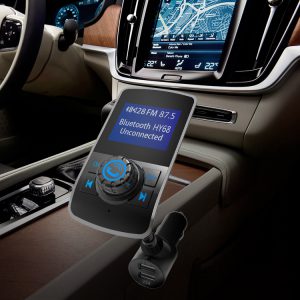
Car Bluetooth MP3 Player & FM Transmitter – Wireless Car Audio Solution