Keeping your pet’s food fresh is essential for their health and happiness. But many pet owners unknowingly make storage mistakes that can compromise the quality of their furry friend’s meals. Discover how to avoid these pitfalls and ensure that every bowl is filled with nutrition and flavor.
Common Storage Mistakes
1. Storing Food in Its Original Bag
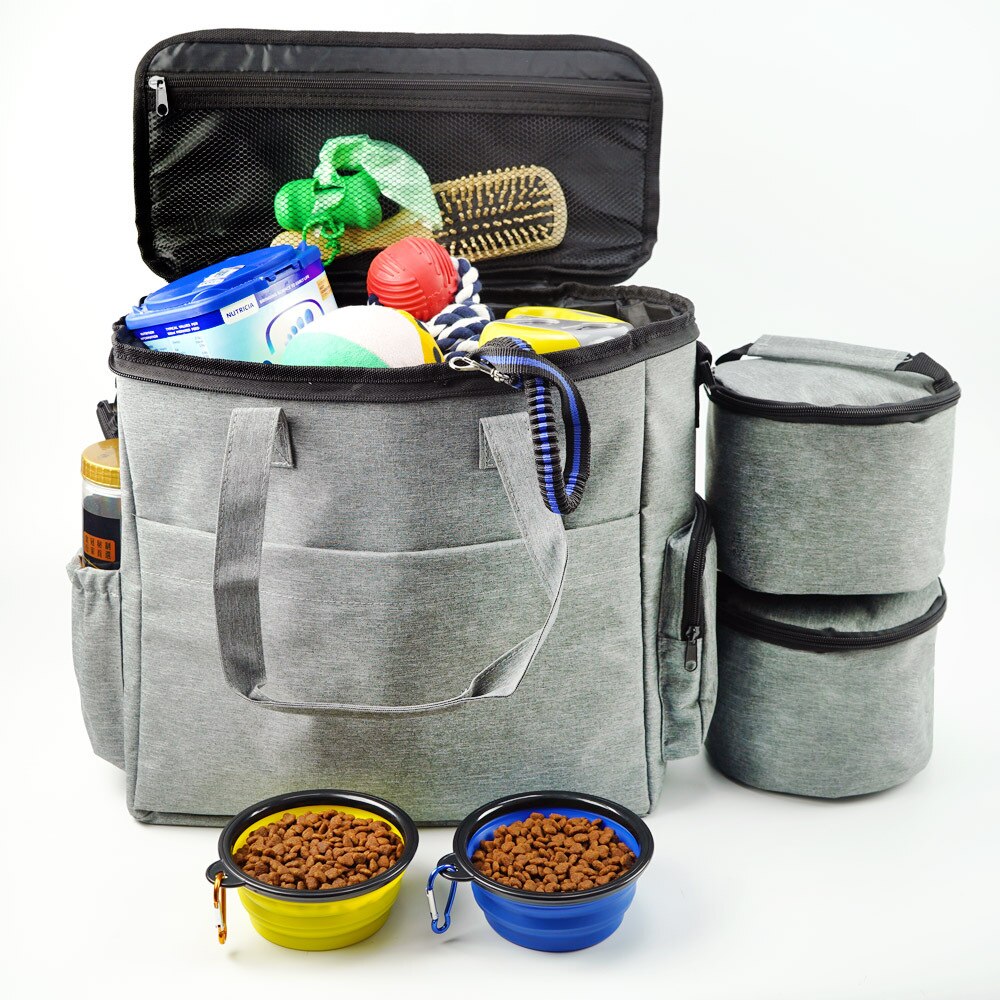
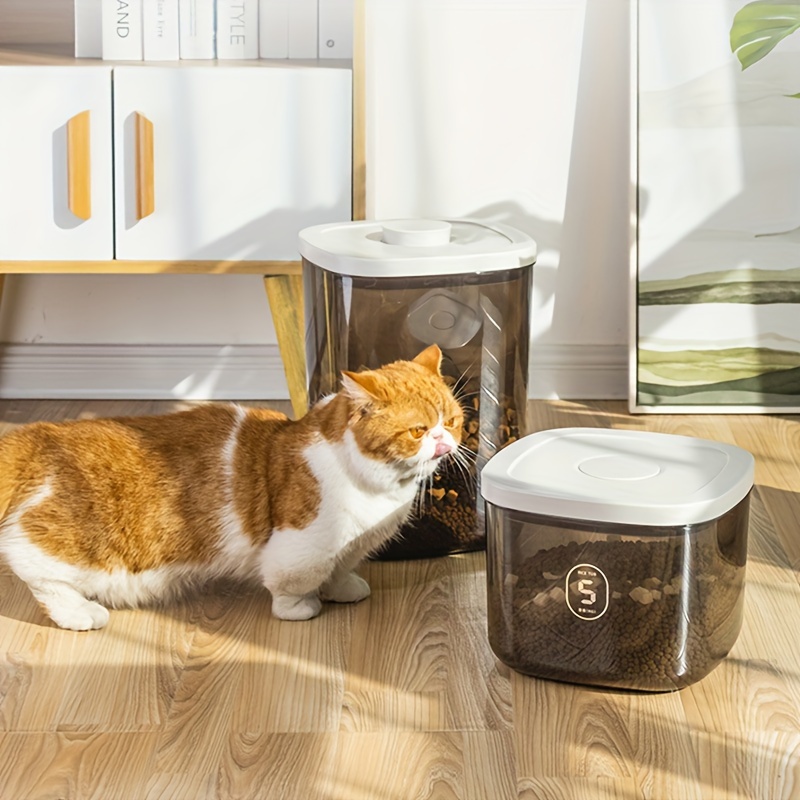
One of the biggest errors is storing pet food in its original bag. While it might seem convenient, most commercial bags are not designed for long-term storage. They can allow air, moisture, and pests to infiltrate, leading to stale or spoiled food. Instead, consider investing in an airtight container. Not only does this protect the food from external elements, but it also helps maintain its freshness and nutritional value for a longer period. Look for containers made from durable materials that are easy to clean, ensuring that your pet’s food stays as fresh as possible.
2. Temperature Matters
Temperature plays a crucial role in food preservation. Keeping your pet food in a cool, dry place is vital. Avoid storing it near heat sources like stoves or in areas with high humidity, such as basements or garages. A dedicated storage area, perhaps in a pantry or kitchen cabinet, can keep the food at a stable temperature, preventing spoilage.
3. Checking Expiration Dates
Another common mistake is failing to check expiration dates. Just like human food, pet food has a shelf life. Using expired food can lead to health issues for your pet. Make it a habit to regularly check the dates on your pet food bags and rotate stock as needed. This practice not only ensures your pet eats fresh food but also helps you avoid waste and save money in the long run.
4. Mind the Serving Size
Be mindful of the serving size as well. Pouring the entire bag into a container can expose the food to air each time you scoop out a meal. Instead, consider portioning out smaller amounts. This way, only the food you need is exposed to air, maintaining the freshness of the remaining supply.
5. Mixing Old and New Food
Lastly, be cautious about mixing old and new food. Even if the new food is fresh, combining it with older food can lead to spoilage. Pets can be sensitive to changes in their diet, and introducing old food can upset their stomachs. Always finish one bag before introducing a new one to ensure a seamless transition and optimal freshness.
Conclusion
By avoiding these storage mistakes, you’ll not only keep your pet’s food fresh longer but also contribute to their overall health and well-being. Your furry friend deserves the best, and with these simple tips, you can ensure their meals are always delicious and nutritious. Invest in the right storage solutions today and watch your pet thrive!