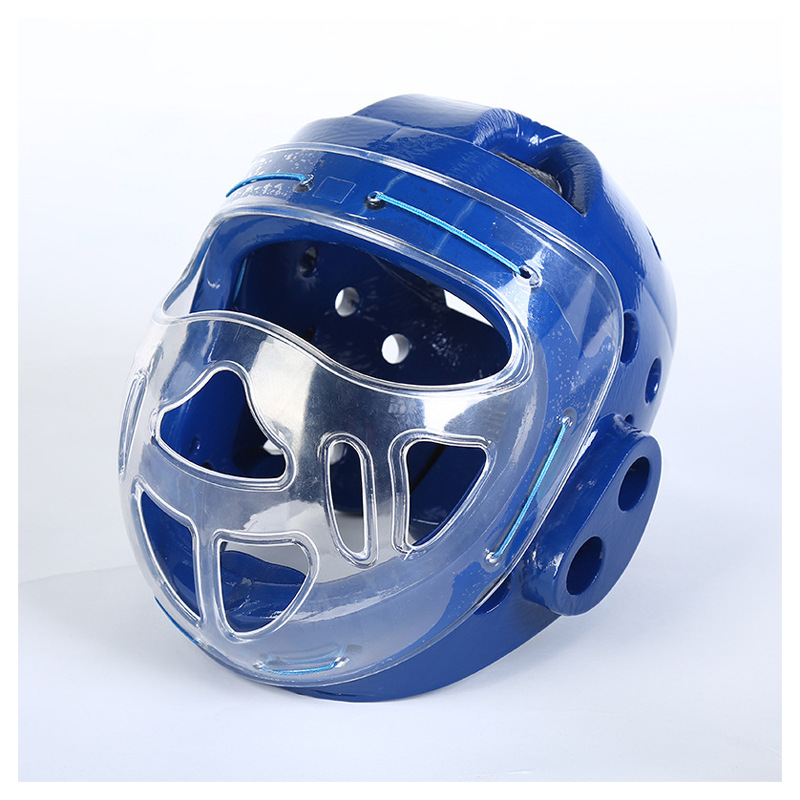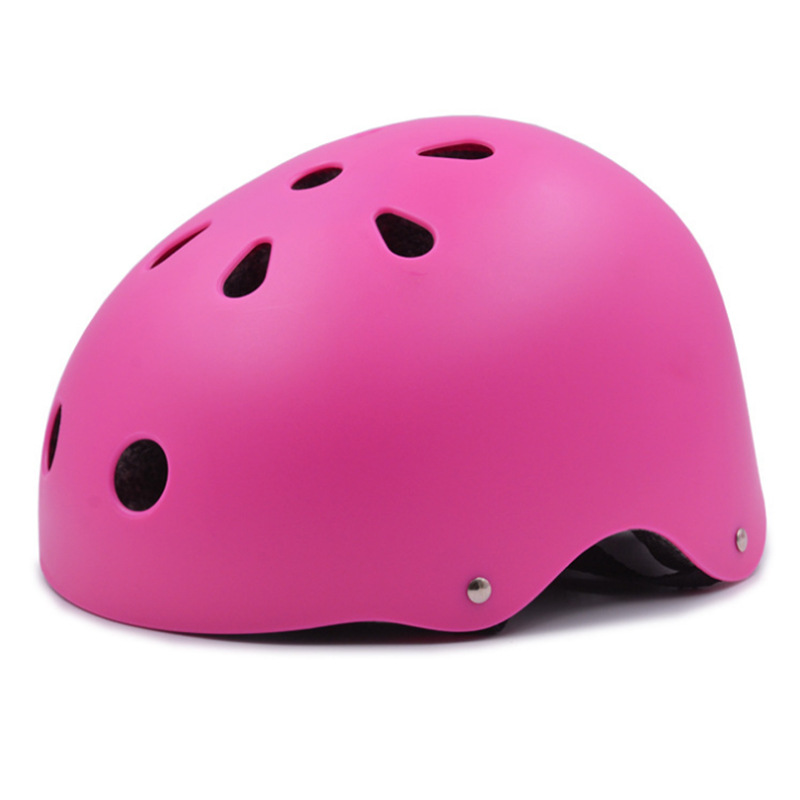
Getting the right fit for your helmet is crucial for safety and comfort. A poorly fitted helmet can compromise protection and make your experience uncomfortable, whether you’re cycling, skating, or riding a motorcycle. Yet, many people make common mistakes when measuring their heads. Let’s dive into how you can ensure you get it right and protect yourself effectively.
Measuring Tools
First and foremost, using the wrong measuring tool can lead to inaccurate results. A soft measuring tape, like the kind used in sewing, is ideal for this task. Avoid rigid tools like rulers or yardsticks, which won’t conform to the shape of your head. Wrap the tape around the widest part of your head, typically just above your eyebrows and ears. Make sure it’s snug but not too tight—this isn’t a competition, after all!
Consider Your Hairstyle
Another mistake is measuring without considering your hairstyle. If you have long hair or a bulky style, pull it back into a low ponytail or bun before measuring. This adjustment ensures you get the most accurate measurement for your helmet size. Remember, a helmet should fit securely on your head without any unnecessary pressure points.
Taking Multiple Measurements
It’s also essential to take multiple measurements. Head sizes can vary slightly due to factors like posture or even temperature. Measure two or three times, and take the average to ensure consistency. If you’re unsure of your measurement, it’s wise to consult the specific sizing chart of the helmet brand you’re considering. Each manufacturer may have slight differences in sizing, so don’t rely on a one-size-fits-all approach.
Trying on Helmets
When trying on helmets, another common error is failing to check the fit properly. Once you’ve chosen a helmet based on your measurements, put it on and make sure it sits level on your head. The front should rest just above your eyebrows, and you shouldn’t be able to slide it back or forward easily. Give it a good shake—if it moves around too much, it’s likely too big.
Adjusting the Chin Strap
Lastly, don’t forget about the chin strap! After measuring and trying on your helmet, ensure the chin strap is adjusted properly. It should be snug against your chin, allowing only a small amount of movement. A well-fitted chin strap is just as important as the helmet itself; it keeps the helmet in place during an impact, ensuring you remain protected.
Conclusion
Choosing the right helmet is an investment in your safety. By avoiding these common mistakes and taking the time to measure correctly, you’ll ensure a perfect fit that keeps you safe while enjoying your favorite activities. So gear up with confidence and hit the road, knowing you’re well protected!