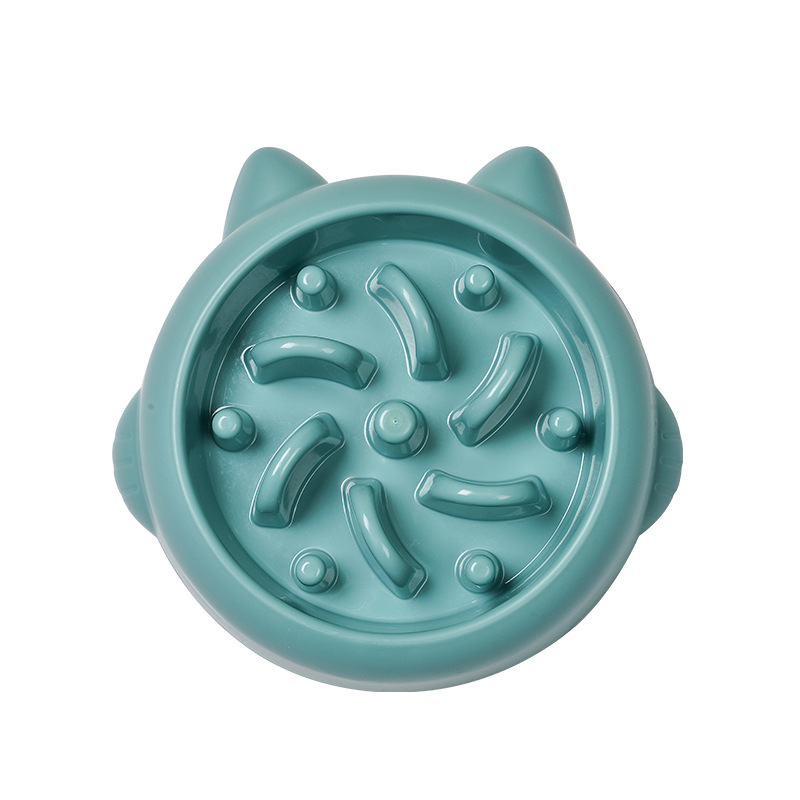
Maintaining a hassle-free feeding routine for your pets is essential, and nothing disrupts that flow quite like an automatic feeder jam. These devices are designed for convenience, but when they malfunction, it can lead to frustration—not to mention a hungry pet! Understanding how to prevent and fix these jams can save you time, money, and the headache of dealing with a cranky furball.
Regular Maintenance
First and foremost, regular maintenance is key. Ensure that your automatic feeder is clean and free from any leftover food particles. Over time, residues can build up and cause blockages. A simple weekly wipe-down with a damp cloth and a thorough cleaning of the food compartment will keep your feeder operating smoothly. Remember, a clean feeder not only prevents jams but also promotes better hygiene for your pet.
Choosing the Right Food
Next, consider the type of food you’re using. Some dry kibbles are too large or too moist, making them more likely to jam. Choose a high-quality, appropriately-sized kibble that is specifically designed for use in automatic feeders. Look for products that advertise compatibility with feeders, ensuring they flow freely through the dispensing mechanism. This small change can make a significant difference in preventing feeding disruptions.
Addressing Static Electricity
Another common culprit of feeder jams is static electricity. If your feeder is plastic, the static can attract food particles and cause them to stick, leading to blockages. To combat this, try using a dryer sheet to wipe down the inside of the feeder. This will help reduce static and ensure that food moves smoothly from the container to your pet’s bowl.
Regular Inspection
Additionally, inspect the feeder’s mechanism regularly. Look for any signs of wear and tear or misalignment that could cause jams. If you notice any issues, address them promptly. Many manufacturers offer replacement parts, so you don’t have to invest in a new feeder entirely. Keeping your device in good working order not only enhances its lifespan but also ensures that it functions correctly when you need it most.
Investing in Quality
Lastly, consider investing in a high-quality automatic feeder that boasts advanced features to minimize the risk of jams. Look for models equipped with:
- Sensors that detect food levels and alert you when it’s time to refill.
- Built-in mechanisms that prevent overfeeding or clumping of food.
These features can significantly reduce the likelihood of jams.
Conclusion
In conclusion, preventing automatic feeder jams requires a proactive approach. By maintaining cleanliness, choosing the right food, addressing static issues, inspecting the device regularly, and considering an upgrade, you can ensure a smooth feeding experience for your beloved pets. Investing in these simple strategies will lead to happier pets and a stress-free feeding routine, allowing you to enjoy more quality time with your furry friends. Don’t let jams disrupt your day—take action now for a seamless feeding experience!
Related products
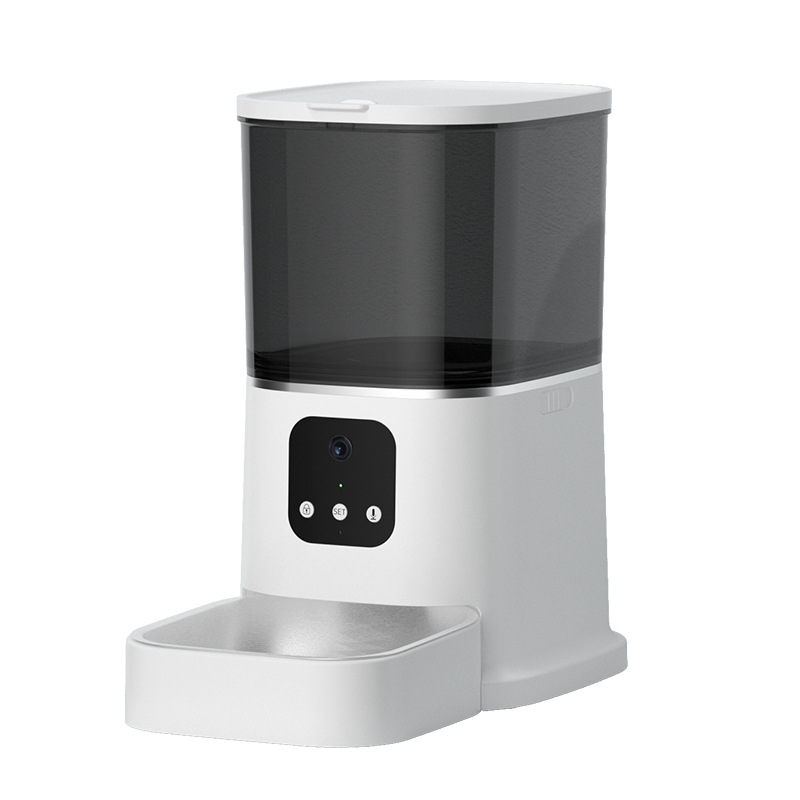
Smart Pet Automatic Feeder with Large Capacity, Voice Recorder, and APP Control – Timer Feeding for Cats and Dogs, WiFi Enabled Food Dispenser
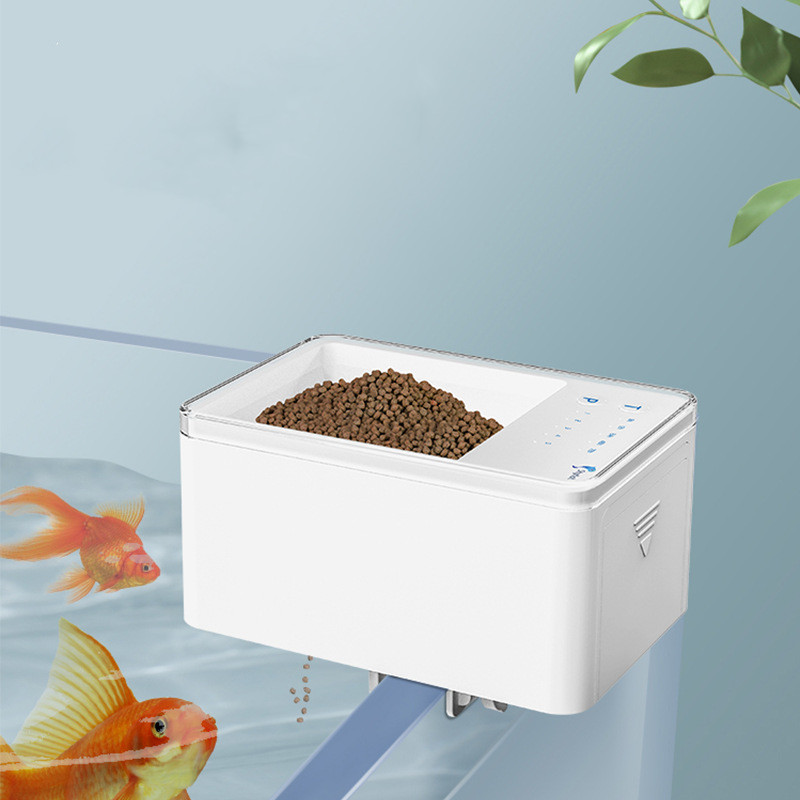
Digital Automatic Fish Feeder with LED – Pet Feeding Fish Food Dispenser for Aquarium and Fish Tank
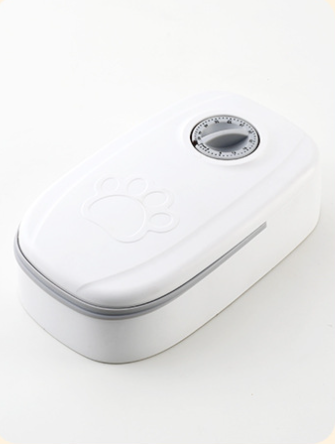
Automatic Pet Feeder – Smart Food Dispenser for Cats & Dogs with Timer, Stainless Steel Bowl | Auto Pet Feeding Supplies