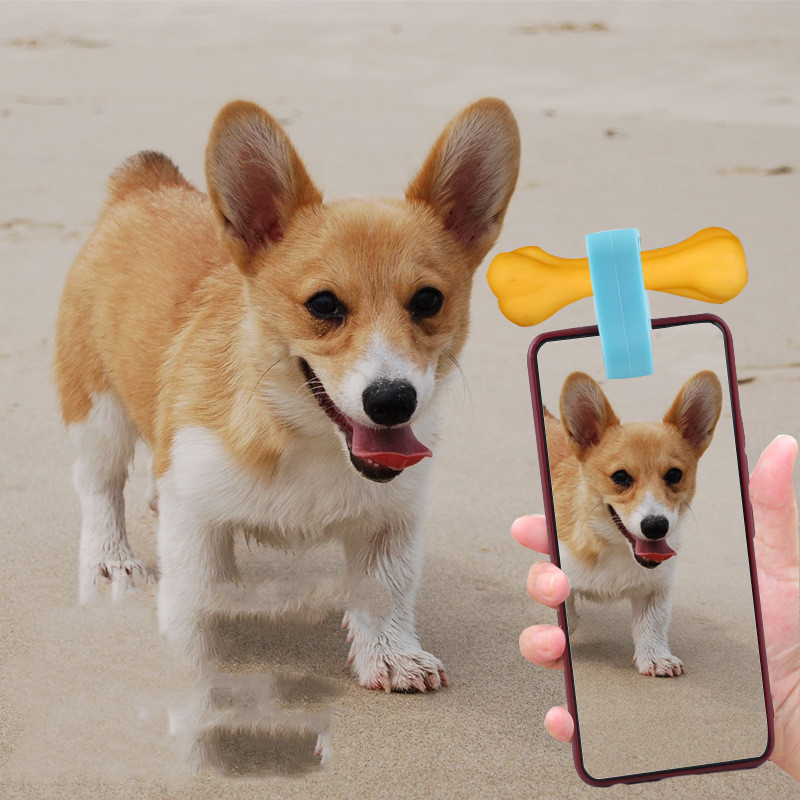
Finding the perfect spot for your pet camera can be the difference between a peaceful home and a barrage of false alerts. Nobody wants to be notified every time a leaf rustles or the sunlight casts a shadow. Optimizing your camera placement not only minimizes these distractions but also ensures you capture the moments that truly matter. Here are some effective strategies to help you achieve just that.
Identify Key Areas
Start by considering the areas where your pets spend the most time. Focus on their favorite lounging spots, feeding areas, and play zones. By positioning your camera in these high-traffic areas, you increase the chances of receiving relevant alerts, while reducing the likelihood of being notified about inconsequential movements. A well-placed camera means you can monitor your furry friends without the constant interruptions of false alarms.
Optimal Height and Angle
Next, think about the height and angle of the camera. Cameras placed too low can be triggered by everyday movements, like a flickering curtain or a passing shadow. Elevate your camera to a position where it has a clear, unobstructed view of the area. A higher vantage point can help filter out minor disturbances, honing in on your pet’s genuine activities. Aim for an angle that captures the entirety of the space, allowing for a broader perspective while keeping unnecessary alerts at bay.
Consider Environmental Factors
Additionally, consider environmental factors. Factors such as sunlight, heavy foot traffic, or other animals can lead to frequent false alerts. Position your camera away from direct sunlight to avoid glare, which can confuse motion sensors. If your pet has a habit of jumping up on furniture or the window sill, avoid placing the camera in those areas where it might catch movement that isn’t relevant to their behavior. Instead, find a location that focuses on their natural movements without the interference of outside distractions.
Utilize Camera Features
Utilizing the camera’s features can also significantly enhance its effectiveness. Many modern pet cameras come equipped with advanced motion detection settings. Take advantage of these features by customizing the sensitivity levels to better match your environment. Consider the following:
- Lower sensitivity settings: These can help eliminate those pesky alerts caused by insignificant movements.
- Activity zones: Some cameras allow you to create specific areas where alerts will be triggered while ignoring others.
This targeted approach ensures that you stay informed without feeling overwhelmed.
Periodic Reassessment
Finally, don’t forget to periodically reassess your camera’s placement. As your pet’s habits change, so too should your camera’s positioning. Regularly check the alert frequency and adjust the placement accordingly to maintain optimal performance. A little fine-tuning can go a long way in ensuring that you’re only notified of the moments that truly matter.
Conclusion
Investing in a quality pet camera is only half the battle; strategic placement is key to enjoying a seamless monitoring experience. By following these tips, you can significantly reduce false alerts and focus on what really matters—keeping an eye on your beloved pets. A well-placed camera not only gives you peace of mind but also allows you to cherish every wag, pounce, and cuddle in your pet’s daily adventures.
Related products
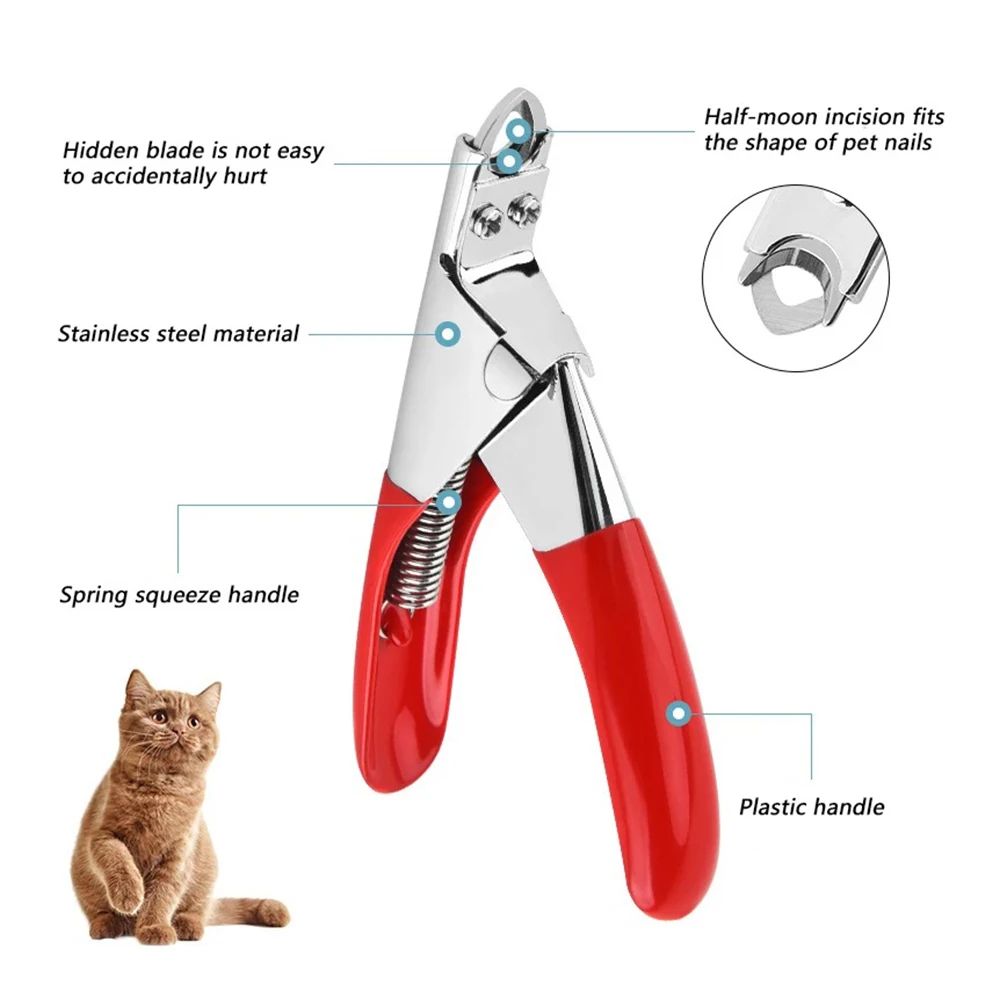
Professional Dog Nail Clippers – Type U Word False Tips, Straight Edge Cutters, and Guillotine Nail Capsule for Perfect Manicure
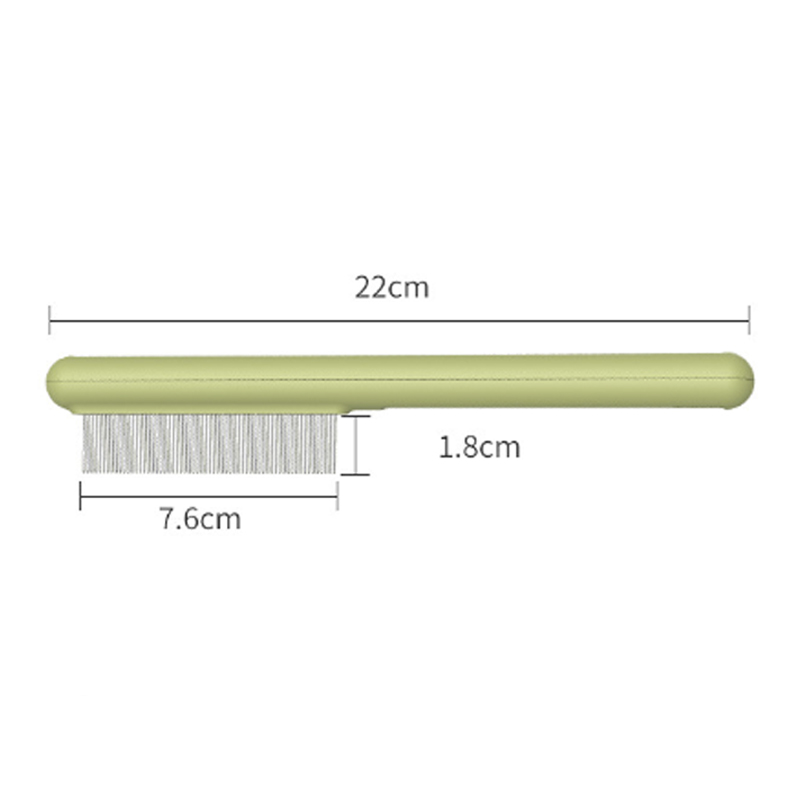
Stainless Steel Cat Comb with Rounded Teeth & Smooth Tips – Pet Massage Tool for Long & Short-Haired Cats, Effectively Removes Loose Hair, Fleas, and Lice

30pcs Detachable Full Cover False Nail Tips Set for Short Nail Decoration